Airlines around the world are warning of a serious crisis after the closure of the Strait of Hormuz sent jet fuel prices soaring and disrupted key routes between Asia and Europe.
Carriers say the conflict involving the US, Israel and Iran has forced them into survival mode. Since fighting began on 28 February, ticket prices have gone up, extra surcharges have appeared and some flights have been cut.
Fuel now makes up about 27% of airline costs and prices have doubled since the crisis started, according to the International Air Transport Association. Its chief Willie Walsh says this is not about falling demand. Airlines still have passengers. The problem is fuel supply and damaged infrastructure. Even if shipping resumes soon, he says it could take months for supplies to fully recover.
Airlines already cutting back
Several airlines have started tightening their belts.
Australia’s Qantas has paused its share buyback to save cash. South Korea’s T’way Air plans temporary cabin crew layoffs in May and June. Germany’s Lufthansa says some aircraft could be grounded if shortages get worse. Its CEO Carsten Spohr expects high fuel prices to last until the end of the year.
Virgin Atlantic has also warned that planes could end up stuck on the ground even if people still want to travel.
Why fuel prices are rising so fast
About 20% of the world’s oil normally passes through the Strait of Hormuz. With the route closed, supply has tightened quickly.
Jet fuel has become especially expensive because refineries in the region have been damaged or shut down. Restarting them is slow and technical work that can take weeks or months. This means jet fuel prices are rising faster than crude oil.
Airspace closures over the Middle East have made things worse. Planes now fly longer routes to avoid the region, burning more fuel at the worst possible time.
What could happen next
Experts expect more airline mergers as smaller carriers struggle to cope. Bigger airlines such as United Airlines, Delta Air Lines and the International Airlines Group, which owns British Airways and Iberia, could end up buying weaker rivals.
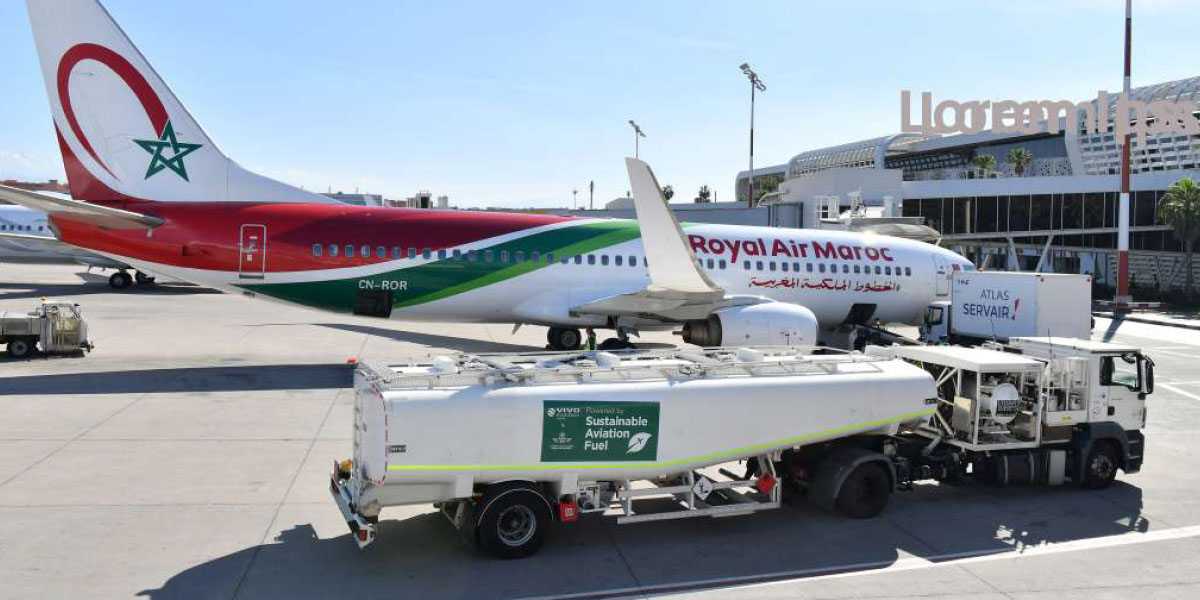
Governments in Europe are trying to speed up production of sustainable aviation fuel. Right now it makes up less than 1% of global supply, so it cannot replace traditional jet fuel anytime soon.
With ticket prices climbing, companies are cutting travel budgets again. More meetings are moving online and rail travel is becoming more attractive. Spontaneous international trips may soon feel like a luxury.