
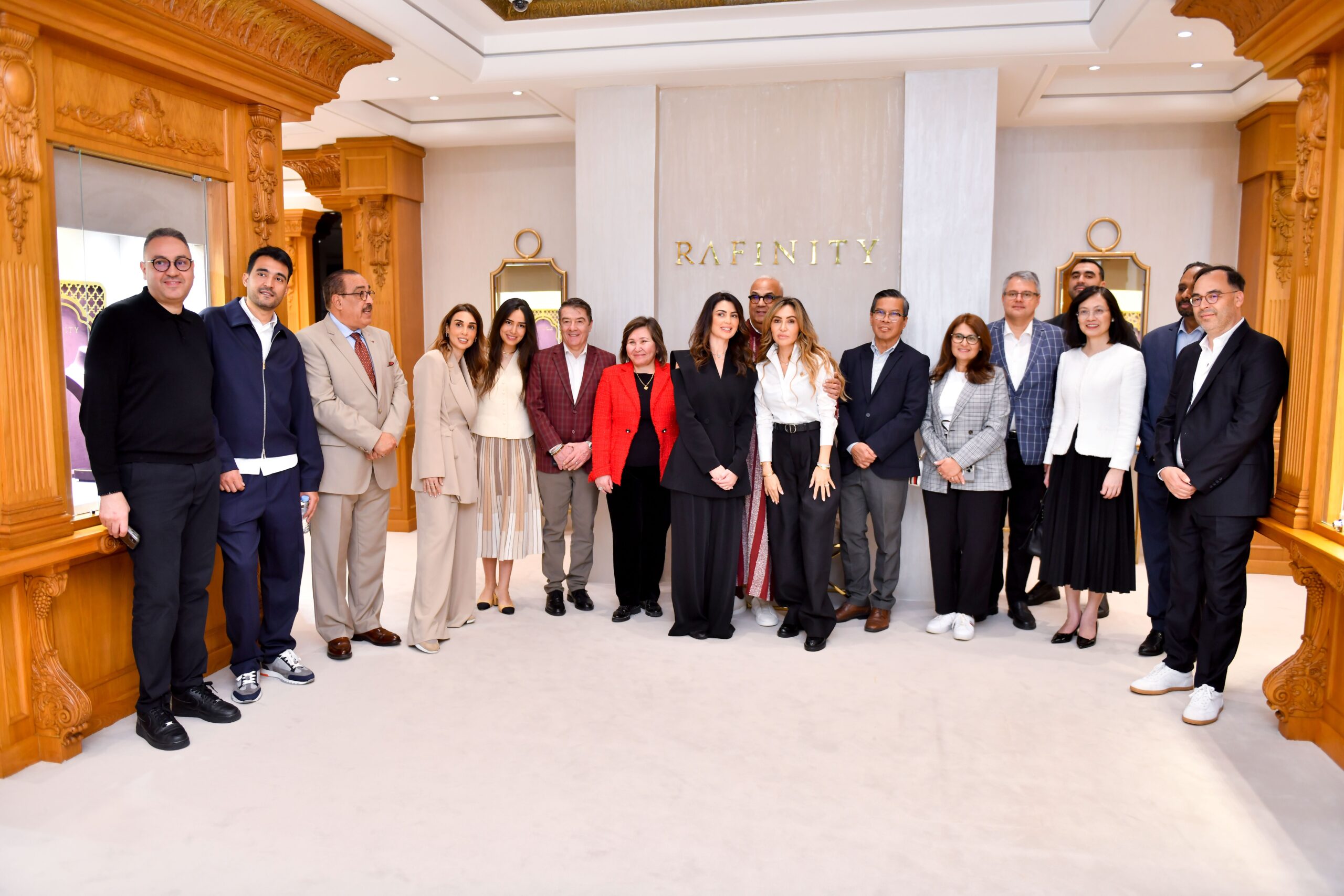
A group of Asia-Pacific ambassadors has visited a major jewellery factory in Casablanca as part of efforts to strengthen trade and cultural ties with Morocco.
The delegation toured the Oromecanica – Rafinity Group site. The visit was organised by Kazakhstan’s ambassador to Morocco, Saulekul Sailaukyzy, who also leads the Asia-Pacific Ambassadors Group, together with the Moroccan Association for Cooperation and Friendship between Peoples and the company’s leadership.
Ambassadors from Australia, Azerbaijan, Bangladesh, India, Malaysia, the Philippines and Vietnam took part. The tour focused on exploring business opportunities and promoting the “Made in Morocco” label.
Aziz El Hajouji, chief executive of Oromecanica – Rafinity, said creative industries can help build lasting international partnerships. The company runs what it says is Africa’s largest jewellery manufacturing complex, a three-hectare site in Casablanca. The factory employs 200 people with specific needs as part of its social responsibility policy.
Moroccan jewellery has deep historical roots shaped by Amazigh, Andalusian and Jewish traditions. Urban jewellery is often made from gold and precious stones and influenced by designs from Fez, while rural and Amazigh pieces are usually silver and use techniques such as enamel work, niello and detailed engraving.
Founded in 1998, Oromecanica represents a move from small workshops to large-scale production aimed at global markets. The company works with Morocco’s vocational training agency, OFPPT, to pass traditional master artisan skills to younger generations through formal training and apprenticeships.
The visit reflects Morocco’s wider strategy of using culture and craftsmanship to strengthen trade ties. The country has been building closer links with Asia and the Middle East, where demand for heritage luxury goods is rising.
Kazakhstan has become an increasingly important partner. The two countries have signed agreements on trade logistics and renewable energy. Kazakhstan sees Morocco as a gateway to African markets, while Morocco views Kazakhstan as a link to Central Asia.
The Casablanca factory also shows a wider shift in Africa’s jewellery sector, as countries including Morocco, Egypt and South Africa invest in manufacturing instead of exporting raw minerals, aiming to keep more value within the continent.
The company’s hiring of workers with specific needs aligns with Morocco’s National Initiative for Human Development, which encourages businesses to support social inclusion and job creation.