

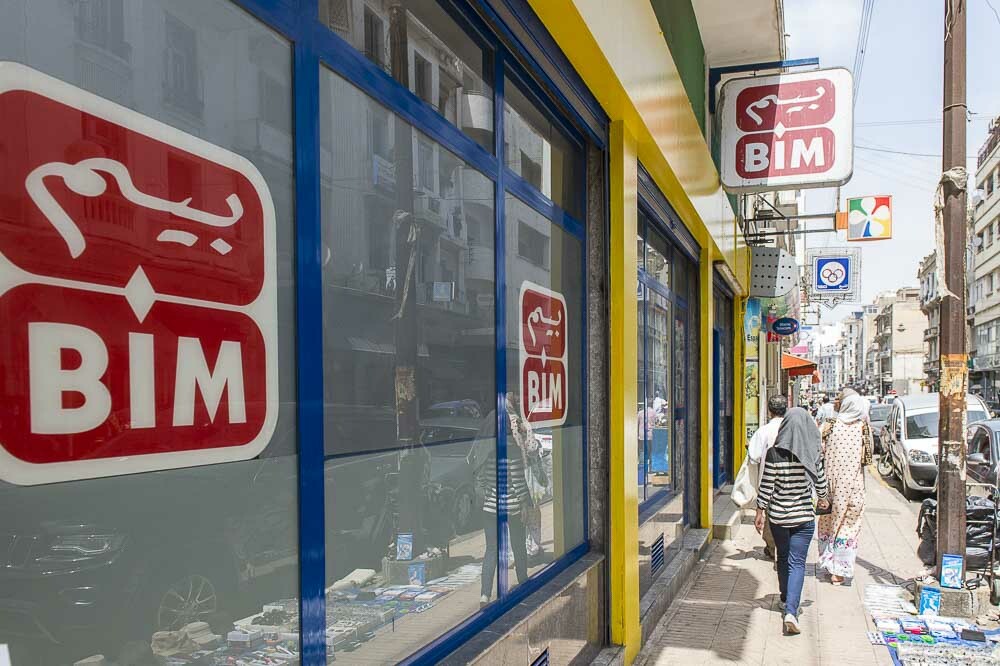
The Turkish discount chain BIM is getting close to 1,000 shops in Morocco after opening 144 new stores in 2025. That brings its total to 933 across the country.
The fast growth shows how important Morocco has become for the company outside Turkey. BIM was the first to bring the hard-discount supermarket model to Morocco and is now a major player in a market that is getting more crowded, with rivals such as Kazyon and Supeco from Label Vie Group.
Growth in Egypt has been slower. BIM opened 27 stores there in 2025, reaching 445 in total. In Morocco, sales grew by nearly 18%, helped by strong logistics, many city locations and a fast-growing urban population.
BIM Maroc is owned 65% by the Turkish parent and 35% by Helios Investment Partners, which invested in 2021 to support expansion. The company runs four logistics centres and employs about 7,100 people, around 7% of BIM’s global workforce of more than 101,000.
Globally, BIM has 14,473 stores, with more than 13,000 in Turkey. Morocco is now its fastest-growing market abroad. The chain focuses on small neighbourhood shops, about 1,000 products, more than half of them own brands, and fast stock turnover to keep prices low. This has proved popular with shoppers dealing with rising living costs.
BIM is expected to pass the 1,000-store mark in Morocco in the first half of 2026, the same year the group celebrates its 30th anniversary.
In 2025, BIM Maroc created a new ESG team covering customer experience, supply chains, staff welfare and health and safety. The company says it wants to grow while improving environmental and social standards.
Why Morocco works so well for BIM
Before BIM arrived, grocery shopping in Morocco was dominated by more than 800,000 small neighbourhood shops known as hanouts. BIM copied their convenience but added clear pricing and modern store standards. Shops are small and located in residential areas rather than large malls.
Local sourcing has been key. After talks with the Moroccan Ministry of Industry around 2020, BIM increased the number of locally made products. Many private-label goods are now produced by Moroccan suppliers, helping the company avoid high import costs and supply chain problems.
Competition is growing. Kazyon is using a similar discount model. Carrefour Market stores focus more on fresh food. The Moroccan warehouse concept Ata Kadao targets shoppers who buy in bulk.
Food inflation over the past three years has pushed more middle-class families to discount shops, not just lower-income households. That shift has helped BIM’s strong growth.


