
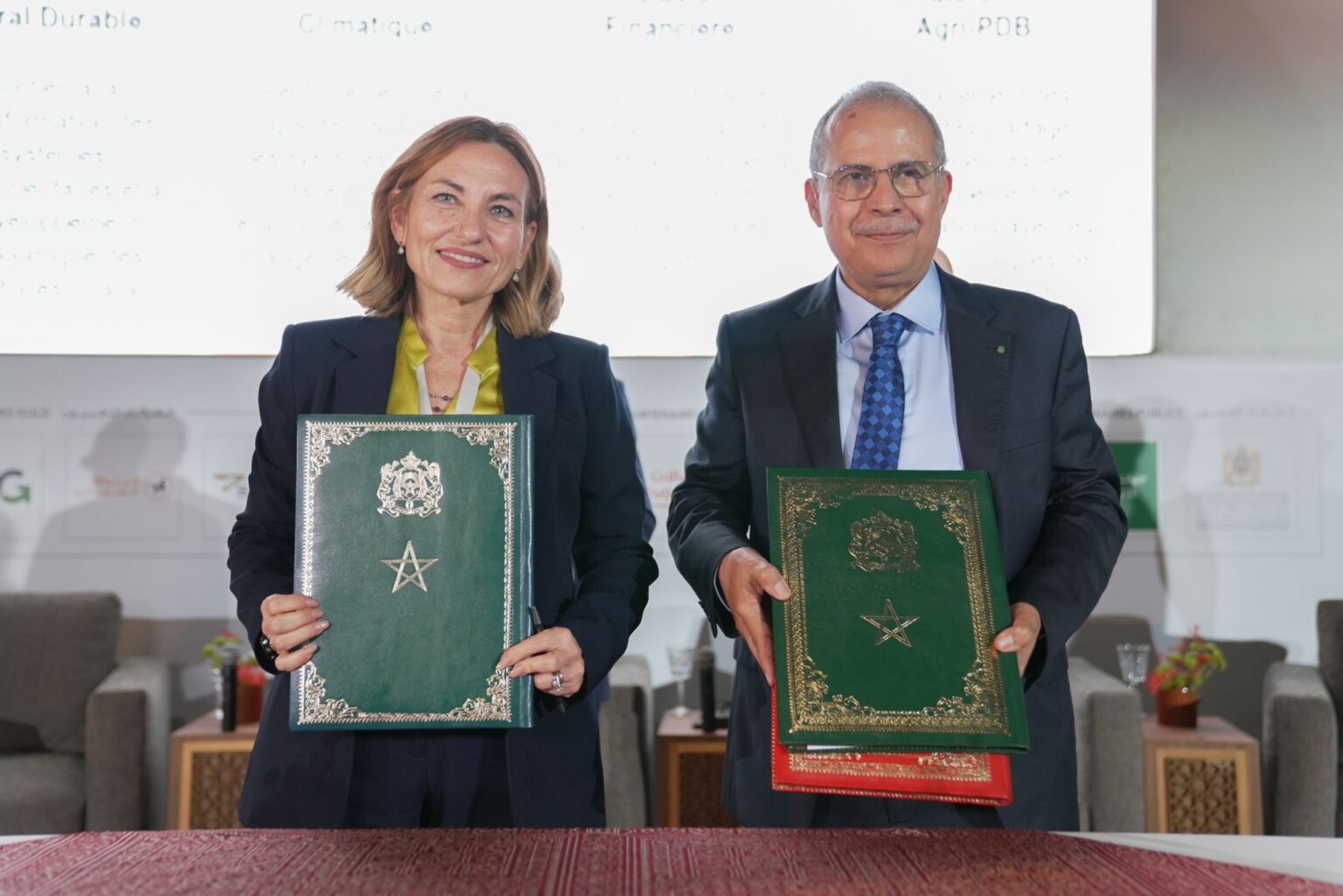
Credit Agricole du Maroc has signed five deals at the International Agriculture Show (SIAM 2026) in Meknès to support farming, rural finance and climate adaptation across Morocco.
One deal focuses on the Oriental region, especially mountain areas. The bank will run a financial education programme for 10,000 people in 19 communes over three years. It is designed to help young people and women understand how to use banking services and manage money better, with the goal of boosting local development.
Another agreement with the Moroccan Confederation of Agriculture and Rural Development will help farmers move towards more environmentally friendly farming. It includes funding and technical help so farms can use cleaner and more efficient methods, especially as weather conditions become more difficult.
On the international side, a deal with Italy’s Cassa Depositi e Prestiti will support joint projects in farming industry and renewable energy. The idea is to bring Moroccan and Italian companies closer and develop cleaner infrastructure projects.
A separate agreement with the International Fund for Agricultural Development focuses on helping small farmers and reducing rural poverty. It also aims to support them as farming becomes more digital and more tied to formal financial systems.
The last agreement is about farm machinery. Credit Agricole du Maroc will offer tailored financing to workers in agricultural equipment companies so that modern machines become easier to access for both small farmers and larger farms.
These deals come as Morocco continues to deal with repeated droughts that are affecting farming. The new funding is expected to help farmers use smarter tools, like soil sensors and improved irrigation, to reduce water use.
The agreements also follow a wider push to combine public and private funding for big projects such as solar-powered systems and irrigation infrastructure.
Officials say improving access to financial services in rural areas, especially in the Oriental region, could also help reduce migration to cities by creating more local opportunities.
Finally, better access to farm machinery is expected to help close the gap between large farms and small farmers, which could improve harvests of key crops like cereals and olives over the next few seasons.