

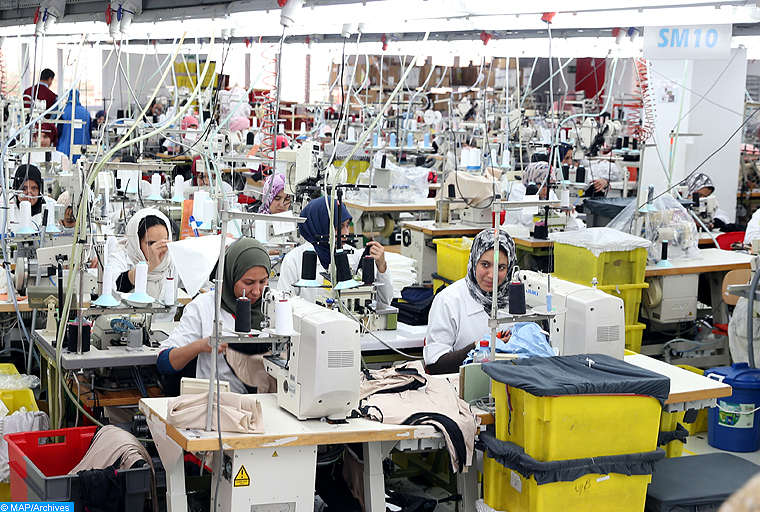
Europe is now looking to Morocco for quick and eco-friendly clothes as problems in Asian shipping cause delays. Moroccan factories can get garments to Spain in under two days and France in three, while keeping up with Europe’s push for greener, more sustainable fashion.
Exports to the European Union reached €2.72bn, about 29.6bn Moroccan dirhams or $2.95bn. That is a small drop of 0.3% from the previous year.
In France, Morocco remained among the top ten clothing suppliers. Exports to France fell by about 4% to €796m, equal to roughly 8.66bn dirhams or $863m, by the end of November 2025.
Across the EU, clothing imports totalled around €90bn in 2025, about 979bn dirhams or $97.7bn. This was a small rise of 2.1%. At the same time, the average price of clothing fell by 6.3% to €19.04 per kilogram, about 207 dirhams or $20.7 per kilogram, showing that shoppers are buying cheaper clothes.
Asia still dominates the European clothing market, supplying 76.6% of imports. China holds 29.5% and Bangladesh 21.6%, meaning the two countries together supply more than half of Europe’s clothing. Some other suppliers such as Turkey and Tunisia have seen their sales fall.
Experts say Morocco could benefit from more European brands moving production closer to home. Clothes made in Morocco can reach Spain by truck in under two days and France in about three days, much faster than shipments from Asia.
New EU environmental rules are also changing the industry. Many Moroccan factories now use solar energy and recycle water to meet stricter green standards and avoid future carbon taxes.
The industry group AMITH has launched a plan called Dayem Morocco to move factories away from simple assembly work and towards making finished products. More factories are now buying their own yarn and designing their own collections, which adds more value to exports.
Shipping problems linked to the Red Sea crisis and the Suez Canal in early 2026 have made Asian routes more expensive and less reliable. This has pushed some European brands to pay a bit more for Moroccan clothing shipped by road and ferry.
Morocco also benefits from a trade deal with the EU that allows most textiles to enter duty-free if they are made locally. The country is working to produce more fabric and thread at home to keep this advantage.


