

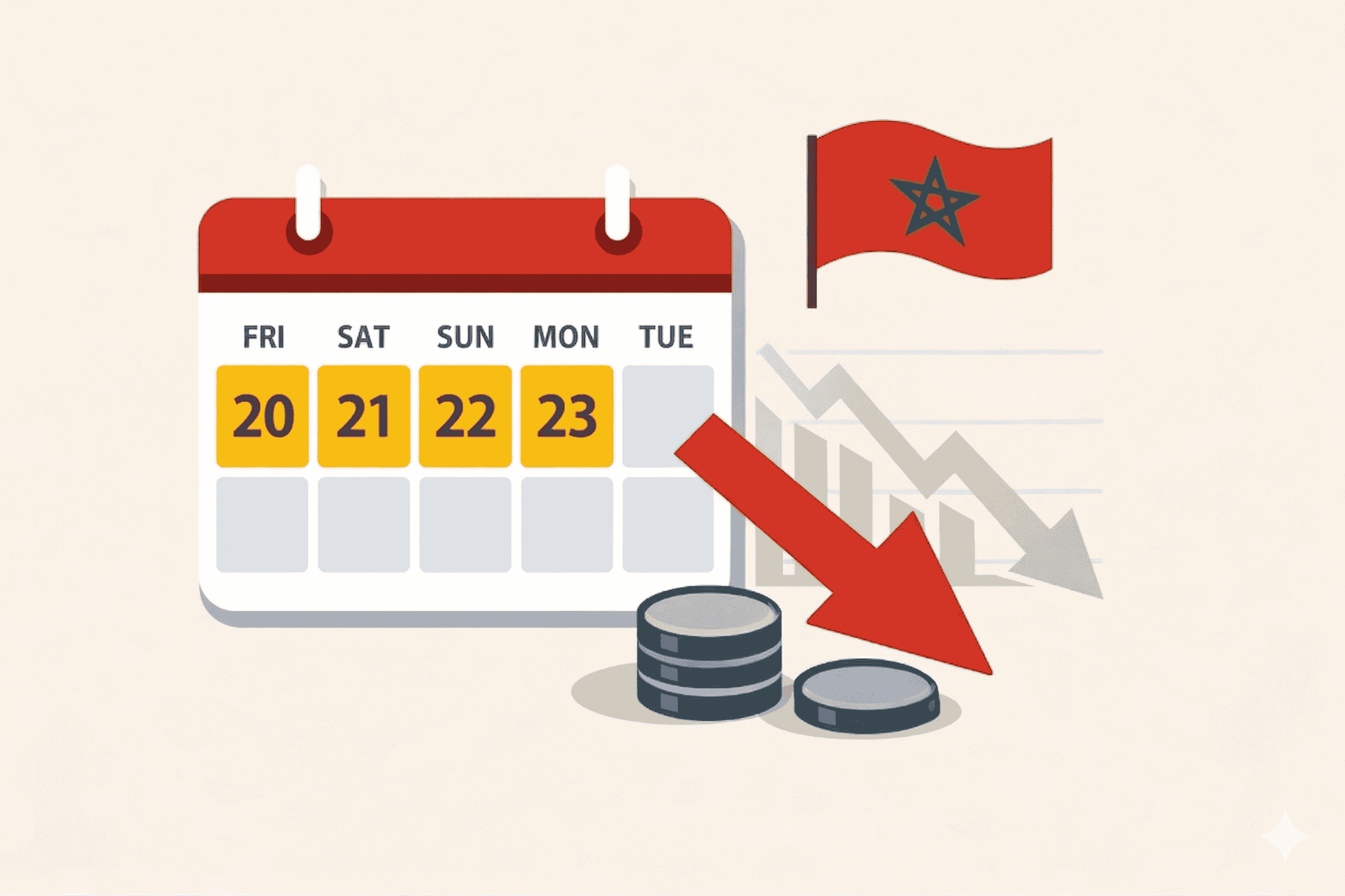
Morocco’s decision to grant a four-day holiday for Eid al-Fitr, including an extra Monday, looks now ridiculous. The issue is not the extra day off. It is how the decision was made.
At first glance, the move looks generous. Many people welcomed the longer break. But the timing raised eyebrows. Monday was declared a holiday before the exact day of Eid was confirmed, even though the date depends on moon sighting.
That choice suggests a lack of clear planning. When a decision depends on a variable date, it makes sense to wait or to keep options open. Acting too early risks a mismatch with reality.
This points to a broader problem. Public bodies appear to lack coordination and forward planning. Modern administrations are expected to prepare for different scenarios and adjust smoothly. That did not happen here.
There is also an economic angle. A longer holiday can slow down parts of the economy. Some services pause. Administrative work is delayed. Businesses, especially those linked to global partners, may struggle to adapt to sudden closures. Timing matters, and so does predictability.
That said, not all effects are negative. Travel, restaurants and hotels often benefit from longer breaks as people move around and spend more.
Morocco usually sets public holidays by decree, with religious holidays lasting two days. Extra days are sometimes added to create a long weekend. The idea is to ease travel and support local tourism. But without careful planning, the cost can outweigh the gain.
There was a simpler option. Authorities could have confirmed leave for Eid only, then added another day once the date was clear. It would have been neater, and far less controversial.
In the end, it is about how decisions are made. Good governance is not just about offering something popular. It is about being clear, organised and predictable.
Without that, even a free day can look rather expensive.


