
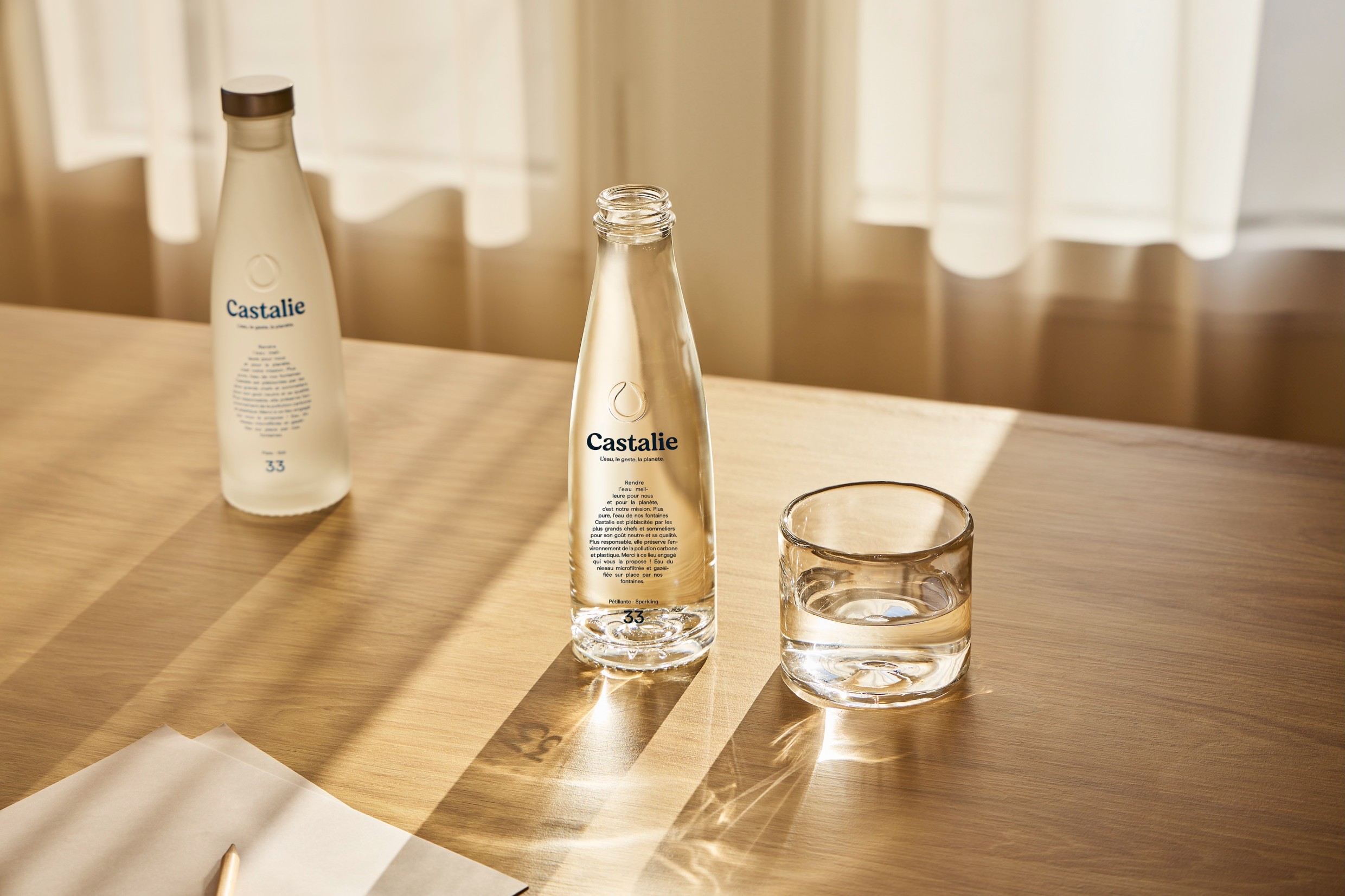
French water filtration company Castalie has signed a deal with Moroccan glass manufacturer SEVAM to produce its reusable glass bottles in Morocco, replacing imports from Europe and paving the way for exports back to Europe from 2027.
The agreement will see SEVAM manufacture 50,000 Castalie bottles by the end of 2026. Production is set to begin this month. The move marks a major change for Castalie Maroc, which until now imported all of its reusable glass bottles from Europe.
Souleymane Fassi Fihri, chief executive of Castalie Maroc, said: “We used to import these bottles from Europe, today we produce them in Morocco and we will export them to Europe.
“This is the best proof that we can manufacture here to the highest standards.”
Castalie says the new setup will cut transport needs and reduce emissions linked to shipping glass bottles across Europe and the Mediterranean.
The company entered Morocco in 2025 through an exclusive partnership with Pure Water Solutions. It provides hotels, restaurants and other hospitality businesses with water filtration machines, maintenance services and reusable glass bottles through a monthly subscription model.
Over the past year, Castalie has installed more than 80 filtration units across seven Moroccan cities. Its clients include luxury hotels, Relais & Châteaux properties and restaurants featured in the 50 Best MENA rankings.
Founded in France in 2011, Castalie supplies on-site water filtration systems to businesses and restaurants, including the Élysée Palace. The company says its model cuts carbon emissions by 88% compared with single-use bottled water, citing research by environmental consultancy Quantis.
SEVAM, which has more than 90 years of experience in glassmaking, produces over one million glass items every day, including bottles, food jars and tableware.
Fassi Fihri said the project shows that Moroccan manufacturers can meet the requirements of international markets. “This is the best proof that we can manufacture here, at the highest level of requirement, and that Moroccan expertise has a clear place in the most mature markets,” he said.
The deal comes as Morocco’s tourism industry faces growing pressure to cut waste and reduce the use of single-use plastics, particularly in the luxury hospitality sector.