

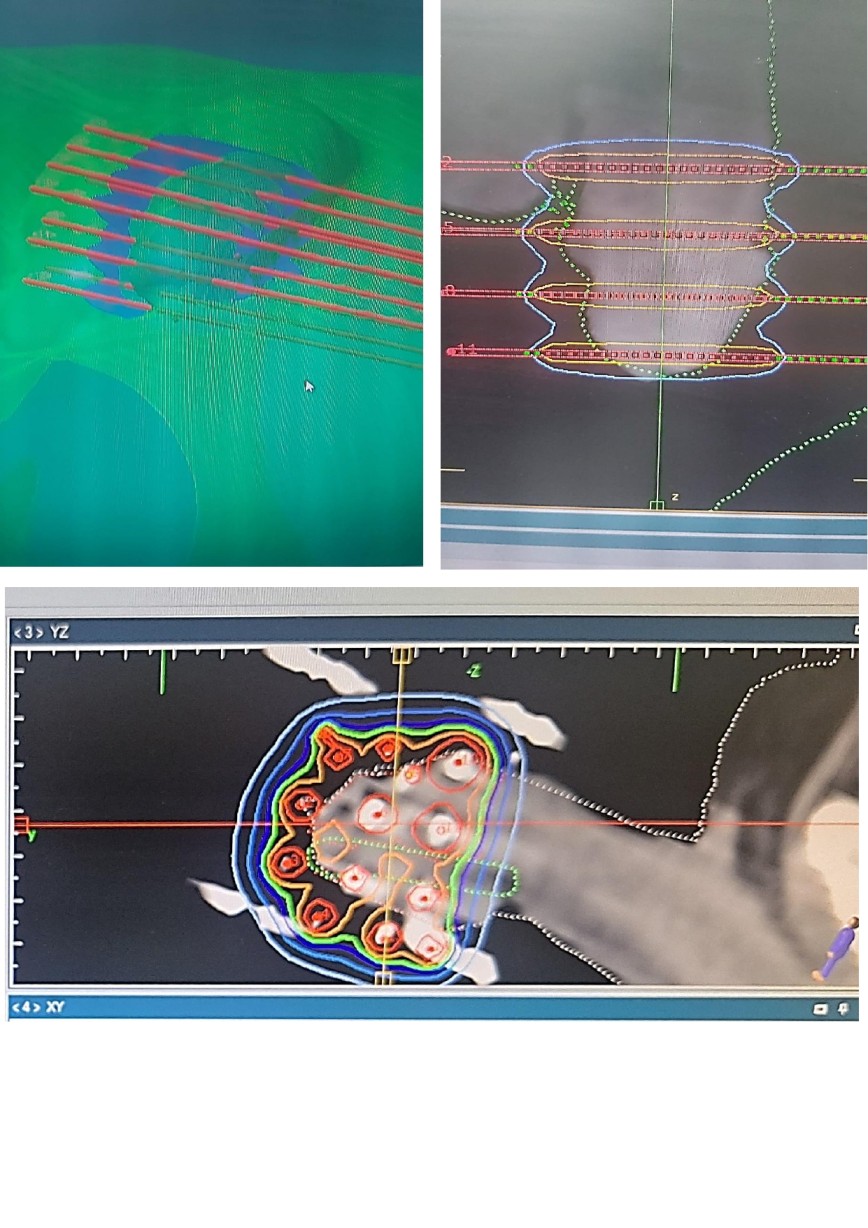
A Moroccan man diagnosed with a rare form of penile cancer was able to avoid amputation thanks to an innovative treatment developed by doctors in Casablanca. The case is at the centre of Morocco’s first international study on the use of 3D printing and targeted radiation therapy to treat penile cancer while preserving the organ. The study was published in May 2026 in the medical journal Cureus.
The treatment was carried out by specialists at Littoral Clinic Ain Diab, part of the Oncorad Group, working with Casablanca’s University Hospital Centre Ibn Rochd.
The patient, a 50-year-old man, had stage T2 penile cancer. Doctors said international guidelines would normally recommend removing part or all of the penis to treat the disease.
However, the patient refused surgery.
Instead, the medical team used high-dose-rate brachytherapy, a form of radiation treatment that delivers radiation directly to the tumour while limiting damage to nearby healthy tissue.
To make the treatment possible, the team designed and built a custom guide using 3D printing technology. The device helped doctors accurately place 14 treatment needles in the affected area.
According to the study, the first treatment was successful and caused no major side effects.
Four months later, doctors found a small recurrence in nearby tissue. Because the patient still did not want surgery, they carried out a second round of brachytherapy using 15 needles.
Eighteen months after treatment, the patient was doing well. He had normal urinary function, no significant complications and had kept part of his sexual function.
Penile cancer is rare around the world and also uncommon in Morocco. Studies suggest it accounts for about 0.5% of male cancers in the country. A review at a hospital in Rabat found only 10 recorded cases over a 26-year period.
Doctors say many patients are reluctant to seek treatment because of the sensitive nature of the disease and the fear of surgery.
The researchers believe their approach could offer another option for some patients who want to avoid amputation, especially in countries where access to expensive medical technology is limited.
Studies from other countries show that surgery generally provides slightly better control of the cancer at the original site. However, overall survival rates are similar between surgery and brachytherapy. Research also shows that around three-quarters of patients treated with brachytherapy are able to keep the organ.
The team behind the study said the publication also shows that Moroccan researchers can contribute to international medical research and help develop new approaches for treating rare diseases.
Founded in 2000 by Professor Redouane Samlali and Dr Omar Hajji, the Oncorad Group has expanded its services in recent years, including advanced imaging, robotic surgery and precision radiotherapy.


