

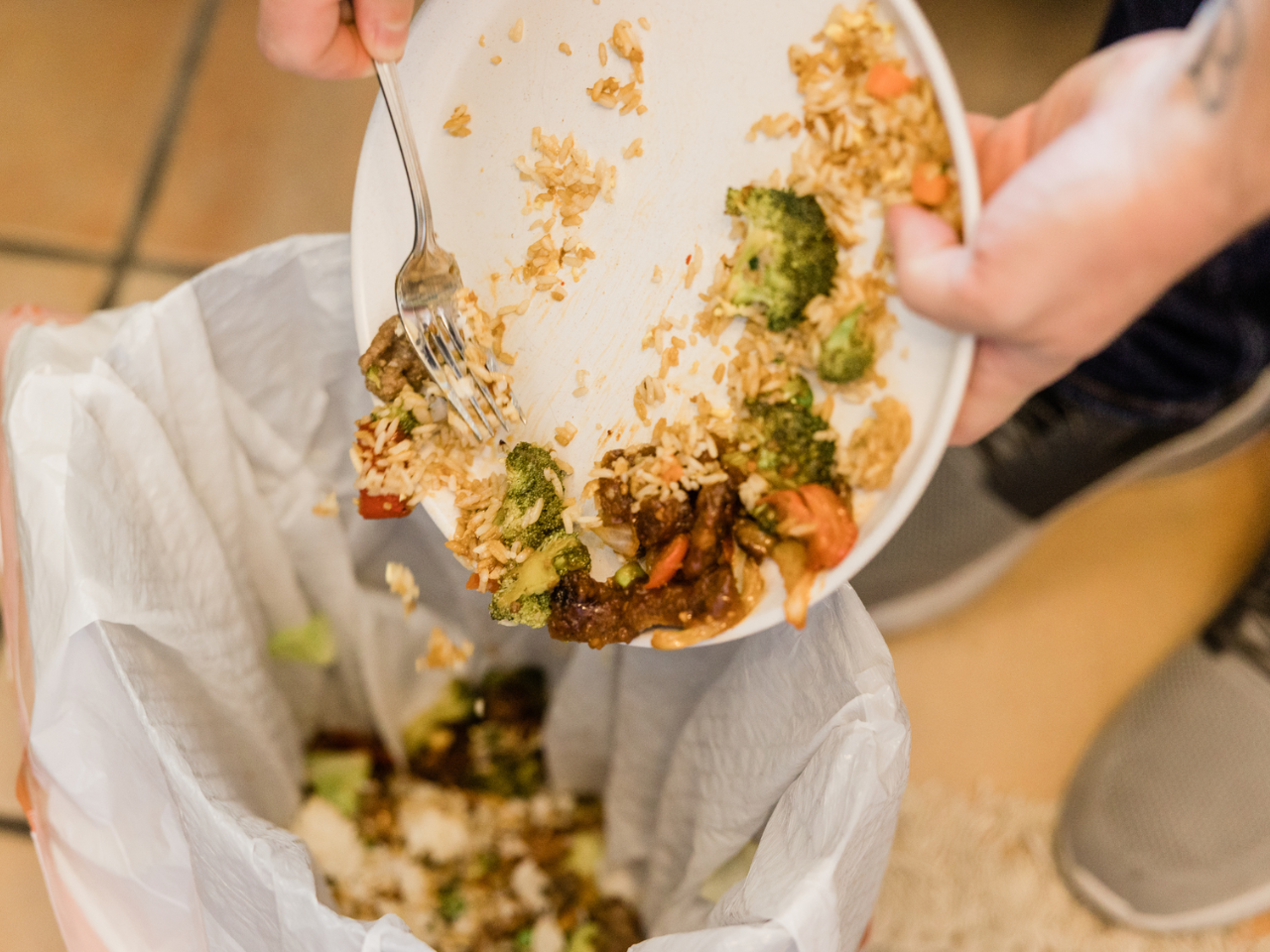
Moroccans threw away nearly 4.2 million tonnes of food in 2022, the equivalent of about 113kg per person, according to a new report by the Economic, Social and Environmental Council.
The council said the scale of food waste had reached “worrying levels” and called for a national strategy to tackle the problem across the food supply chain.
The figure, based on data from the United Nations Environment Programme, marks a sharp rise from 91kg of food waste per person recorded in 2021.
The report was presented on Wednesday by the council’s president, Abdelkader Aamara, who said waste occurs at every stage of the food chain, from production to consumption.
According to the report, significant losses happen before food even reaches consumers.
In sectors such as fruit, vegetables and cereals, losses during production, harvesting, storage and transport can reach between 20% and 40%.
The council also highlighted the environmental impact. It estimates that around 1.6 billion cubic metres of water are used each year to produce food that is never eaten. When discarded food decomposes, it also contributes to pollution and greenhouse gas emissions.
The council based part of its findings on a public consultation involving 1,591 participants.
The most common reason for throwing away food was a change in appearance or smell, cited by 25% of respondents. Many consumers discard food that is still safe to eat.
Confusion over expiry dates was the second most common reason, accounting for 21% of responses.
Other factors included poor meal planning (16%), buying more food than needed (12%), and a lack of knowledge about food storage (12%). Preference for fresh products and the relatively low cost of some foods were also cited.
The survey found that the items most frequently discarded were canned foods (36%), ready-made meals (35%) and fresh products (23%).
Despite several initiatives to reduce food waste, the council said efforts remain fragmented and poorly coordinated.
It recommended creating a national action plan and adopting a specific law against food waste. Proposed measures include banning the destruction of unsold food and encouraging its redistribution to charities, orphanages and food banks.
The report also calls for clearer labelling rules to distinguish between food safety expiry dates and those linked only to product quality.
Other recommendations include improved storage and transport infrastructure in farming areas, the use of solar-powered cold storage facilities, and the development of local processing units to reduce post-harvest losses.
The council also urged greater use of digital tools and community initiatives, such as food donation platforms and shared community fridges, to help redistribute surplus food.


