

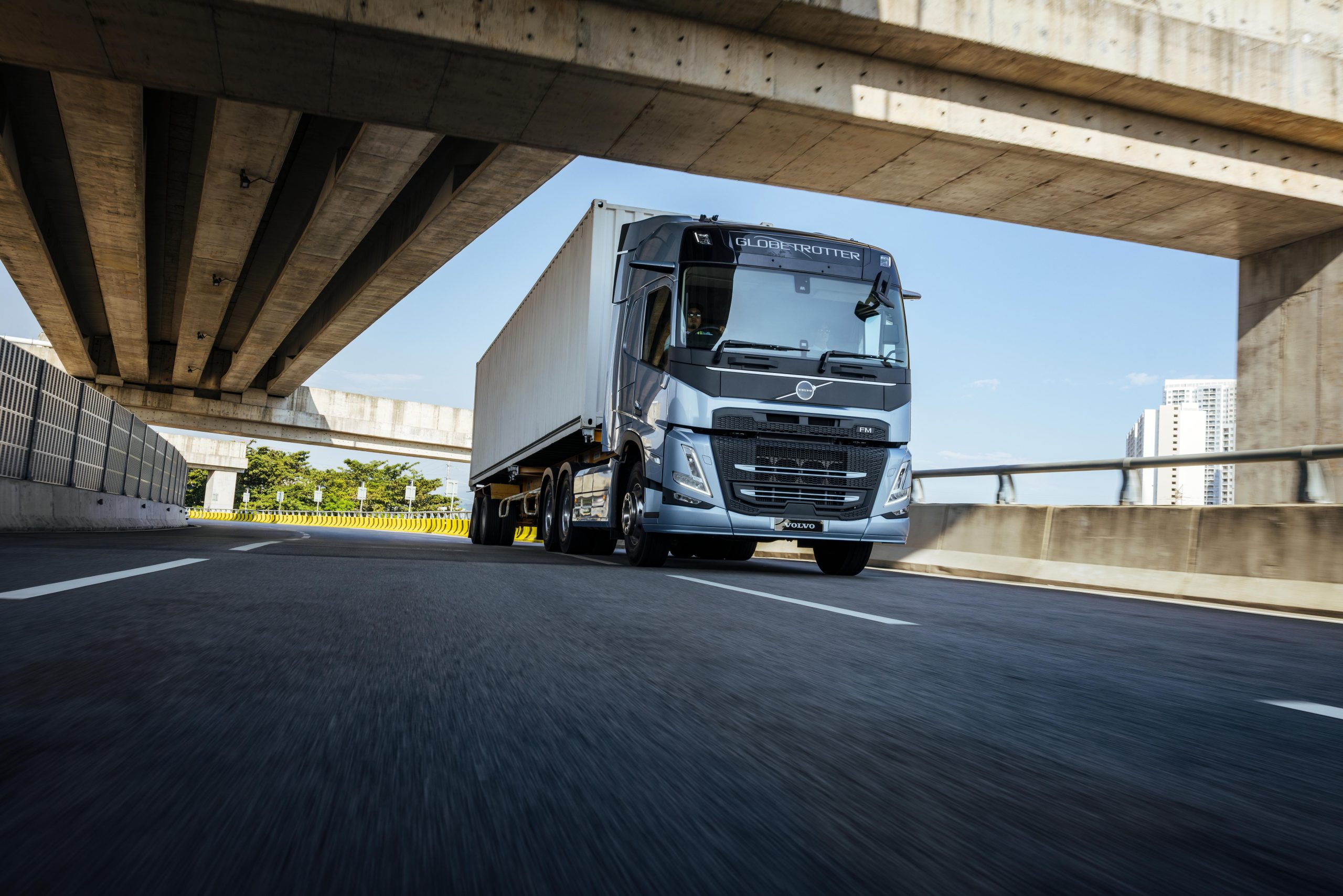
Volvo Trucks is bringing its latest engine technology to Morocco in 2026, placing the country among the first in the world to receive the new system. The rollout is planned for the third quarter of that year, alongside Europe, Turkey and India.
The Swedish company says the goal is to make heavy trucks more efficient and cleaner to run, without forcing operators to switch away from engines straight away.
At the centre of the update are new 13-litre diesel and gas engines, called D13 and G13. They have been redesigned to burn fuel more efficiently, with updated internal parts, better turbo systems and smarter software for gear changes.
Volvo says fuel use could drop by around 4 per cent compared with older models.
These engines will be used in well-known long-haul trucks such as the FM, FMX, FH and FH Aero. The FH Aero model, which will feature in Morocco, has been shaped to cut air resistance, with a smoother front design and camera-based side mirrors instead of traditional ones.
Power levels range from 380 to 560 horsepower for diesel versions, while the gas engine goes up to 500 horsepower. Torque also increases, giving trucks more pulling power for long and heavy journeys.
The engines are designed to run on cleaner fuels like biodiesel, biogas and hydrogen-based blends. Volvo also says they are built with future hydrogen technology in mind, as part of its long-term shift away from fossil fuels.
Production will start in Sweden, before final assembly in Sweden and Belgium, and then delivery to markets including Morocco.
Volvo says this is part of its plan to reach net zero emissions by 2040. The company is using three paths at once: electric trucks for cities, hydrogen fuel cells for long-distance transport, and improved combustion engines that can use renewable fuels.
Morocco is in the first group of countries for a reason. It is becoming a regional hub for green energy, especially hydrogen, and sits on major trade routes between Europe and Africa. That makes it a practical testing ground for new transport technology.
The company already has a presence in Morocco, with service centres and experience selling electric trucks in the country, which makes the rollout easier.
The new engines also meet strict European emissions standards, which is important for Moroccan companies working on international routes.


