

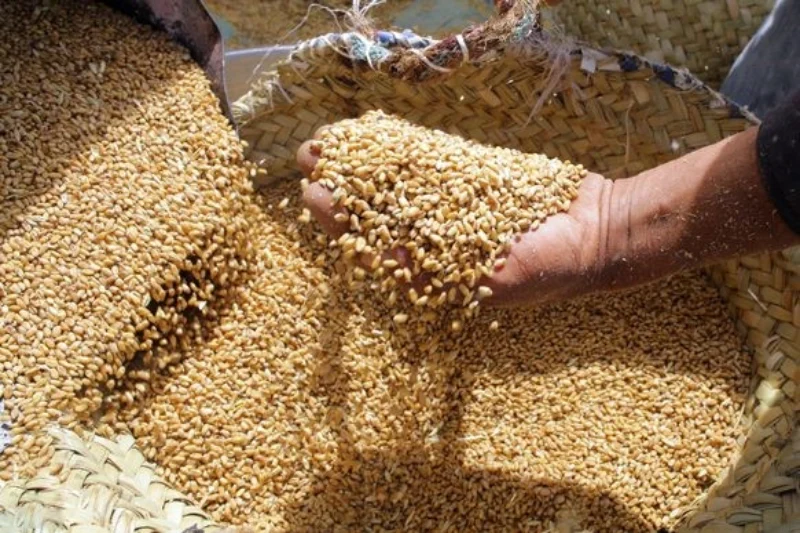
Morocco is becoming an important player in barley production in Africa. It is now the second-largest producer on the continent and the biggest in North Africa, according to the Food and Agriculture Organization.
Barley is not as widely grown in Africa as crops like wheat or maize, but it is still useful. It is used for food, animal feed, and brewing. The FAO lists five main producers in Africa, with Morocco standing out among them.
Ethiopia comes first, producing about 2.2 million tonnes a year between 2021 and 2023. Barley is a basic food there and is used in everyday meals like flatbread and porridge, as well as traditional drinks. The country is close to producing enough for its own needs.
Morocco is second, with about 1.6 million tonnes over the same period. It produces around 80% of what it needs, with the rest imported. Barley is the country’s second most important cereal after wheat and is grown on nearly one million hectares. Most of it is used to feed animals, though some is used in cooking as a cheaper alternative to wheat.
Algeria ranks third, producing around 800,000 tonnes and covering less than half of its needs. Tunisia comes next with about 347,000 tonnes, meeting only a quarter of its demand. South Africa is fifth, producing about 337,600 tonnes, mainly for the beer industry.
Morocco’s ability to produce most of its own barley gives it an advantage in the region. It depends less on imports, which helps protect it from rising global prices.
One reason for this is that barley is a tough crop. It can grow in dry conditions and poor soil better than wheat. This makes it suitable for regions like Chaouia and the Oriental, where rainfall is low.
Government programmes have also helped. The Plan Maroc Vert improved farming methods and seeds, which increased production. The newer Génération Green programme is now focused on adding value by processing barley locally instead of just producing it.
Barley is very important for livestock in Morocco. Farmers use it to feed sheep and cattle. When local production drops, feed becomes more expensive, and meat prices often go up. Keeping barley production stable helps keep meat prices under control.
It is also becoming more popular again in people’s diets because of its health benefits. Traditional foods like belboula and dchicha soups are being consumed more, creating new opportunities for small producers and cooperatives.


