

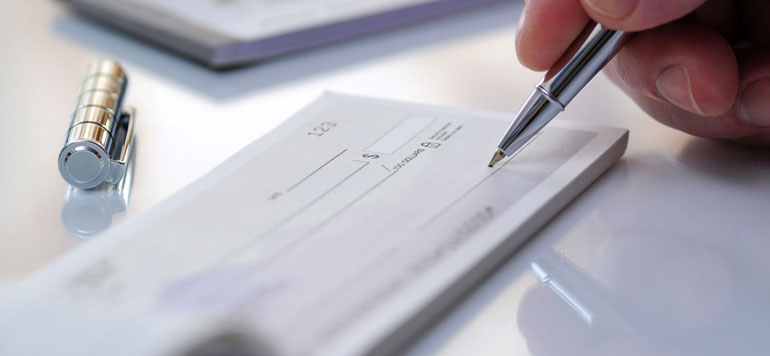
Morocco has rolled out major changes to the way bad cheque cases are handled, in a move that could ease pressure on courts and prisons.
The new rules come from Law 71.24, which updates the commercial code. They were published in the official gazette on 29 January and took effect the same day. The public prosecutor has since sent a detailed circular to courts across the country, telling them how to apply the law.
At the heart of the reform is a new focus on settlement rather than punishment. Prosecutors are now required to give cheque writers time to fix the problem before taking them to court.
From now on, no prosecution can start unless the person who issued the cheque is first formally warned. This warning is delivered by the police, on the orders of the prosecutor, and gives the issuer 30 days to pay. That period can be extended once, to 60 days, if the person owed the money agrees.
During this time, the court can place the cheque writer under judicial supervision. This can include electronic tagging, a tool that allows people to keep working while making sure they do not disappear.
The law also makes it much easier to stop a case once it has started. If the cheque is paid, or if the complainant withdraws the complaint, the case must be dropped. The only condition is the payment of a fine equal to 2 percent of the unpaid amount, paid to the court.
Another big change affects families. Cheques written between spouses, or between parents and their children, can no longer lead to criminal cases. This protection continues for up to four years after a divorce, aiming to prevent legal battles driven by personal disputes.
Penalties have also been revised, with changes to both fines and prison sentences. The overall direction is clear. Jail is no longer the default answer.
The new rules apply immediately. Ongoing cases will still follow the old steps for formal warnings, but defendants can benefit from the new, more lenient rules on settlement. This also applies to convictions that are not yet final, opening the door to suspended sentences if the cheque is paid.
Officials say the reform is meant to tackle a long-standing problem. For years, cheques in Morocco were often used as a form of credit rather than simple payment. When deals went wrong, the criminal courts were flooded with cases, and prisons filled with people convicted of non-violent financial offences.
By giving debtors a clear chance to pay and by keeping many cases out of jail, the authorities hope to restore the cheque to its original role, as a payment tool, and to keep businesses and people out of the criminal system when possible.
The head of the public prosecutor’s office has urged judges and prosecutors to apply the new law strictly and consistently, noting that its impact on current cases is both immediate and significant.


