

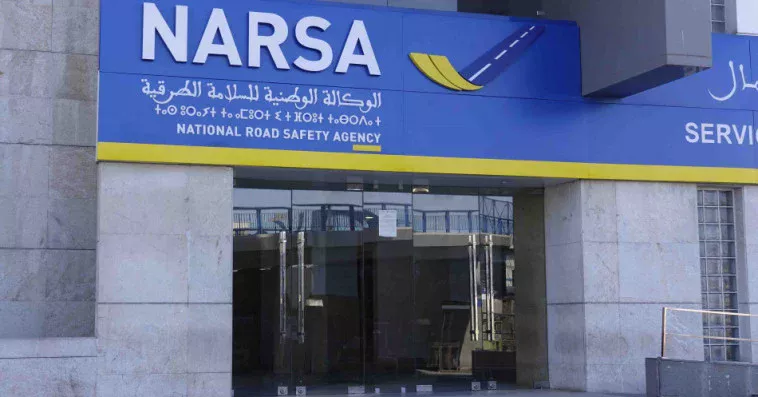
National Road Safety Agency (NARSA) has denied sending text messages with links to pay traffic fines, warning that messages circulating among drivers are part of a fraud campaign.
In a statement, the agency said voice notes and SMS messages claiming to notify drivers of radar-detected violations are fake. The messages include links to a website falsely presented as an official service.
NARSA said it does not offer any service that allows fine payments through links sent by text message and has no connection to the messages.
Officials described the website cited in the messages as a counterfeit platform designed to impersonate government services. Citizens were urged not to click on suspicious links and to verify official website addresses before sharing any personal data.
The agency also warned road users not to provide banking details, passwords or other sensitive information through such platforms and called on the public to report suspicious activity to the authorities.
How the scam works
Cybersecurity specialists say criminals use spoofing tools to make messages appear to come from official sources. Links typically lead to cloned versions of government portals where victims are asked to enter ID or licence details before providing card information to “pay” fines.
Official channels for fines
NARSA said drivers should rely only on recognised channels, including accredited payment centres such as Barid Cash and M2T, or secure government payment gateways. The agency said its only authorised app remains the Infractions Routières application and official government portals.
Wider cybercrime context
Authorities say SMS phishing campaigns have increased across Morocco in recent months, with attackers increasingly using local language to make messages appear more convincing. Some campaigns are believed to rely on previously leaked data linked to vehicle owners.
Earlier this month, officials launched the Iblagh platform to allow citizens to report illegal online content, including phishing and fraudulent websites. Cybersecurity reports also indicate a sharp rise in AI-generated phishing attacks across North Africa in early 2026.
NARSA urged the public to remain vigilant and report suspicious messages promptly.


