

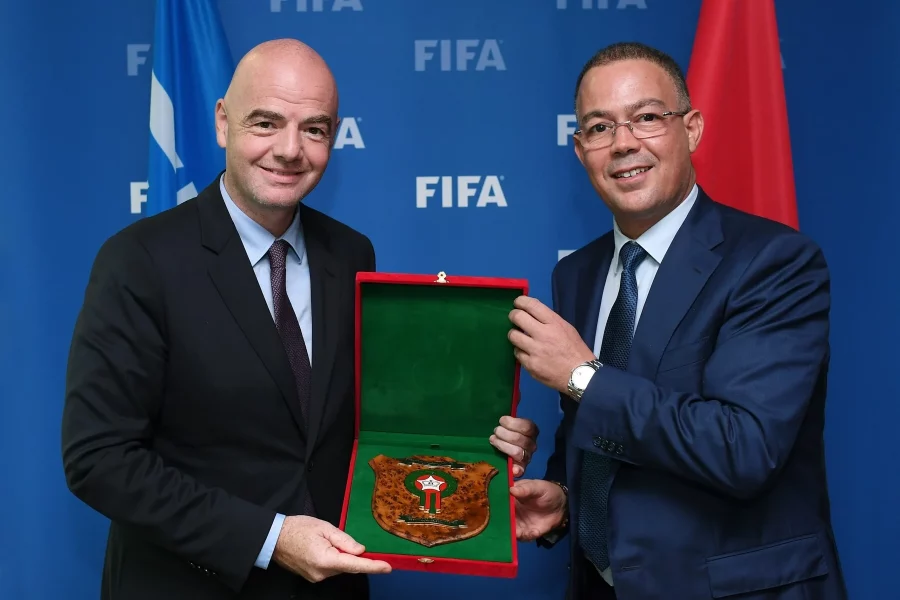
FIFA and a range of organisations involved in the 2030 World Cup could be exempt from taxes in Morocco for up to six years under proposals in the country’s draft 2027 budget. The measures would cover corporate tax, value-added tax (VAT), customs duties and several other charges. They would apply from 1 January 2027, with the main exemptions running until 31 December 2032.
The tournament will be co-hosted by Morocco, Spain and Portugal. The proposed tax breaks are intended to formalise guarantees given to FIFA, according to the draft budget’s explanatory note.
But while the exemptions could help the country meet its hosting commitments, the government has not provided an estimate of how much tax revenue the state could lose.
Who would benefit?
FIFA, its subsidiaries and the organisation responsible for delivering the tournament in Morocco would receive the broadest exemptions. These would cover their activities and include corporate tax, VAT, withholding taxes, registration and stamp duties, vehicle taxes, insurance contract taxes and taxes on air tickets.
Their imports would also be exempt from customs duties and domestic consumption tax, while World Cup match tickets would carry no VAT.
The Royal Moroccan Football Federation would receive similar benefits for activities directly linked to the tournament. The exemptions would also extend to the Spanish and Portuguese football federations, South American federations hosting centenary matches, and FIFA member federations and confederations.
FIFA’s official broadcaster, service providers and sponsors would be exempt from certain withholding taxes, VAT and customs duties until the end of 2031.
Non-resident players, referees, volunteers and staff temporarily assigned to the competition would not pay income tax on payments and compensation linked to the event.
A social legacy fund linked to the tournament would be permanently exempt from all taxes, duties and charges covered by the General Tax Code.
The draft also sets a deadline for tax audits. Authorities could not begin audits for financial years up to 2030 after 31 December 2031.
Why are the exemptions being proposed?
The main reason is to meet tax commitments made to FIFA as part of hosting the tournament. FIFA’s hosting requirements include guarantees from governments on tax treatment for the organisation and certain third parties involved in the competition. FIFA’s hosting requirements.
Such guarantees can reduce the cost of organising a tournament involving international broadcasters, sponsors, football bodies and temporary workers. They also provide a tax framework for activities that may otherwise face different rules across countries.
The measures are not entirely new. A 2025 finance law had already granted FIFA offices established in Morocco exemptions from corporate tax, personal income tax, VAT and registration duties for activities consistent with FIFA’s statutes.
The 2027 proposals would extend the framework to cover a wider range of organisations and tournament-related operations.
What is the cost to the state?
The tax breaks raise a question about how the costs and benefits of hosting the World Cup will be shared.
Exemptions mean that certain activities will not generate tax revenue that might otherwise be collected. The scale of the loss will depend on the value of the transactions covered, the organisations that qualify and how the rules are applied.
Hosting the tournament could bring more visitors, support jobs and increase demand for hotels, transport and other services. But those gains are not guaranteed, and the benefits to businesses do not automatically translate into equivalent revenue for the state.
The government has not quantified the expected cost of the proposed exemptions in the information provided. Without that figure, it is difficult to assess their overall effect on public finances or compare the cost with the expected economic benefits.
The central issue is therefore not only whether the exemptions help deliver the World Cup, but whether the wider economic return will justify the public revenue forgone.
The draft 2027 finance bill seeks to put the tax guarantees into law. Their full fiscal impact will depend on the final legislation and the economic activity generated by the tournament.


