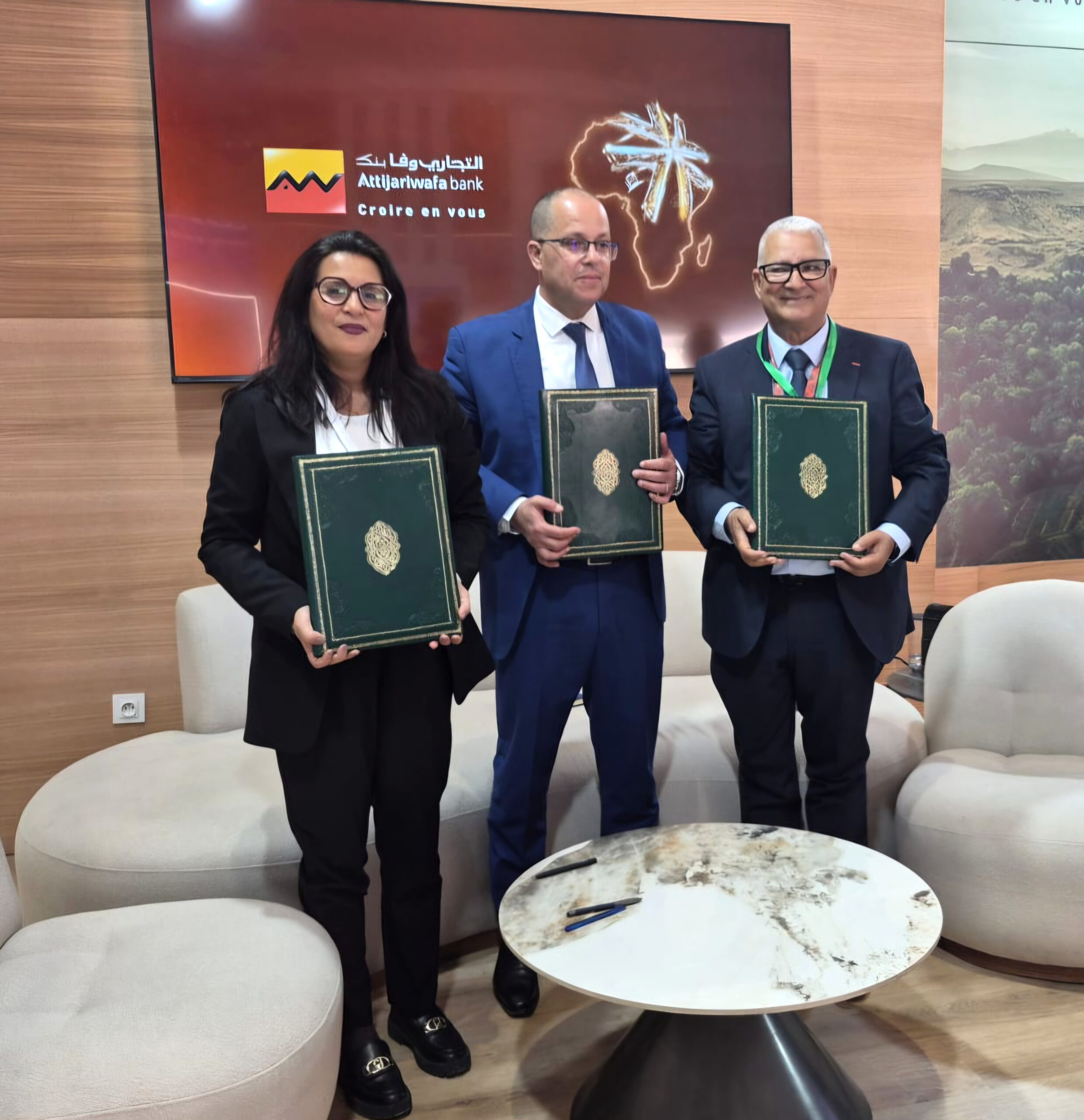
Morocco has signed a new flour financing deal aimed at food security and stable bread supply.
A partnership announced at the International Agriculture Fair in Morocco in Meknès brings together Attijariwafa bank, the National Interprofessional Office of Cereals and Legumes and the National Milling Federation. The goal is to give flour mills stronger financial support and protect a sector seen as essential to the national economy.
The programme focuses on companies producing subsidised soft wheat flour, a staple across the country. It aims to improve access to finance, ease cash-flow pressure and keep supply steady for the local market.
Under the scheme, eligible mills can receive bank financing in advance while they wait for government compensation linked to subsidised flour. The move addresses a long-standing gap between production costs and reimbursement.
By reducing payment delays, the partners say mills can focus on maintaining production. The agreement also includes plans to modernise and gradually digitalise processes to make the system more efficient and transparent.
Officials believe the initiative will strengthen food security by stabilising the finances of mills and protecting jobs across the sector.
The signing also highlights the growing role of SIAM as a place where major agriculture deals are made. This year’s event has focused on sovereignty and resilience, with the partnership presented as an example of private finance supporting national food security.
Subsidised flour remains a key social policy. Prices are regulated to keep bread affordable, but mills often buy wheat at market rates and wait for reimbursement. The new financing solution is designed to bridge that gap.
Morocco’s cereal production is vulnerable to drought and global price swings. Strengthening the finances of more than 180 industrial mills is seen as vital to reducing reliance on imports and protecting domestic supply.