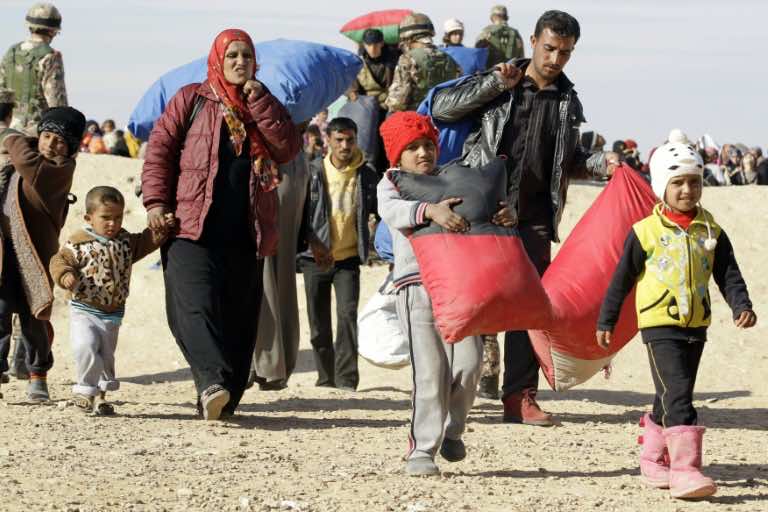
Morocco sheltered 17,791 refugees and asylum seekers in 2024, according to the National Human Rights Council (CNDH). They come from more than 60 countries, with Syrians, Guineans, and Sudanese making up the largest groups.
Refugees are spread across 80 locations nationwide, reflecting Morocco’s shift from a transit point to a destination country. The change began in 2013 when King Mohammed VI introduced the National Strategy on Immigration and Asylum, granting legal residency to tens of thousands of migrants.
Migration patterns are shifting. Sudanese arrivals surged after the 2023 war between Sudan’s army and the Rapid Support Forces, while political instability and climate pressures drive more Guineans and Malians to Morocco. Syrians continue arriving via Algeria, joining long-term urban communities in Rabat and Casablanca.
Irregular migration remains dangerous. Morocco dismantled 332 smuggling networks in 2024, but traffickers now use social media to recruit young people, promising quick trips to Europe. Sea crossings are particularly deadly. Rescue teams saved 18,645 migrants at sea last year, yet over 2,800 died or went missing.
Overall, 58% of irregular migrants come from West Africa, 12% from the Maghreb, and 9% from East and Central Africa.
Morocco still lacks a national asylum law. Fewer than 10% of UN-recognised refugees hold official residence permits. Many can’t meet requirements like proof of housing or income, leaving them in a fragile legal and social position.
The UNHCR decides refugee status, but recognition doesn’t guarantee residency. This forces many into informal work despite access to health care and schools. Government efforts in 2024 improved coordination, but the legal gap remains the main obstacle to a solid asylum system.
Morocco sits just 14 km from Spain across the Strait of Gibraltar, making it a key partner for European border management. Over the past decade, the EU has given hundreds of millions of euros to help Morocco manage migration, adding pressure to balance border control with refugee support.
Conflicts in Sudan, the Sahel, and Syria, along with climate and economic pressures, are likely to keep changing Morocco’s refugee landscape. The CNDH calls for clear laws, better integration, and stronger support for refugees while keeping migration safe and orderly.