

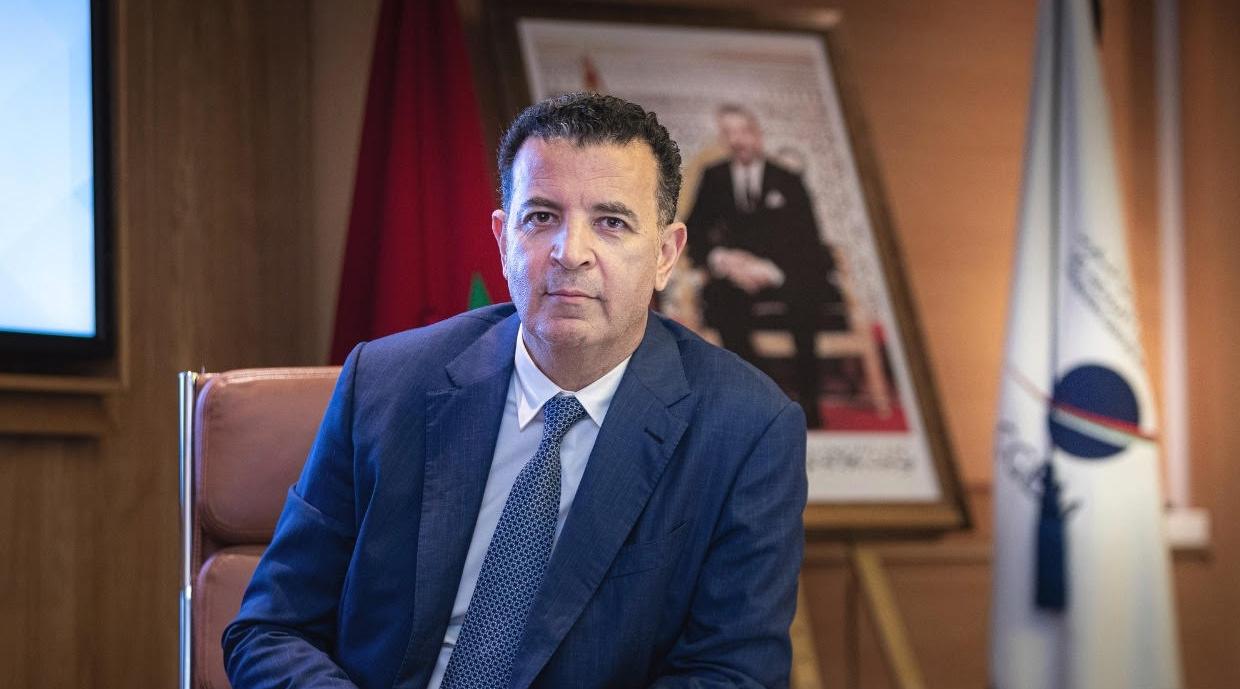
Morocco has introduced a new corporate governance framework designed to help businesses upgrade their practices while remaining rooted in local realities. The new set of governance codes was unveiled Wednesday in Casablanca, the result of a joint effort between the Ministry of Investment, Convergence and Evaluation of Public Policies and the General Confederation of Moroccan Enterprises (CGEM), who co-chair the country’s National Commission on Corporate Governance.
At the launch event, Minister Karim Zidane and CGEM President Chakib Alj celebrated the completion of a months-long effort that combined technical expertise with institutional dialogue. For the minister, the rollout of these codes represents a major step forward. They aim to foster greater transparency, accountability, and integrity across all types of businesses—regardless of size or sector.
But the government’s role won’t stop at introducing the guidelines. A broad support system is being set up to ensure that companies can actually implement the new standards. This includes awareness campaigns, training programs, practical guides, a digital platform, and evaluation tools—all aimed at embedding a lasting culture of strong governance throughout Morocco’s economy.
Zidane emphasized the importance of this initiative as Morocco continues to open up to global markets. The governance framework aligns with European and OECD standards, helping to enhance business credibility, reduce risks, and attract long-term investment. He also advocated for maintaining the Commission’s work over time to ensure continuity and drive deeper structural change.
For CGEM President Chakib Alj, this is a pivotal moment in Morocco’s economic modernization. He noted that under the leadership of King Mohammed VI, both public and private investment have reached historic levels, with foreign direct investment hitting record highs. In this context, he said, good governance is becoming just as strategic as energy, infrastructure, or human capital.
Alj highlighted that the new codes were the product of extensive dialogue between public and private stakeholders, enriched by a close study of global best practices. The updated framework applies to every category of company in Morocco—from publicly traded corporations and financial service providers to public entities, family-owned businesses, and small enterprises.
Key updates include a stronger role for boards of directors, clearer separation between oversight and executive functions, increased professionalism among independent directors, and an expanded focus on non-financial governance criteria. ESG (environmental, social, and governance) concerns, which are increasingly critical for international investors, now hold a central place in the framework.
CGEM plans to play an active role in supporting businesses as they adopt these new practices. Through its various federations and regional offices, the organization hopes to make the new governance codes part of daily business life—not just for local firms, but also for foreign investors seeking environments that align with international expectations.
The reform process has led to the creation of a general governance code that applies across the board, supplemented by five sector-specific codes tailored to the needs of different industries. This comprehensive governance framework was presented in front of around 130 participants, including representatives from government bodies, major corporations, economic players, and professional organizations.


