

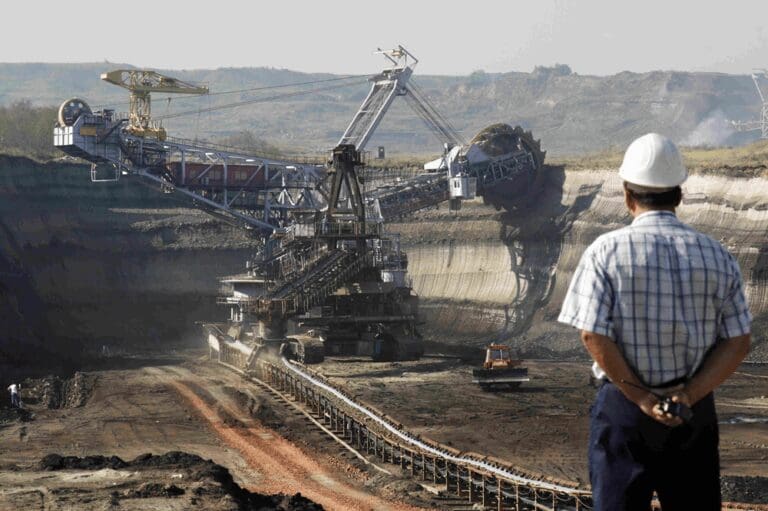
Morocco has launched a public call for companies to explore and develop 361 mining areas in the south-east of the country.
The land covers nearly 13,000 square kilometres in the Tafilalet and Figuig region. This is about 22 percent of the wider mining zone. It is the first time such a large part of the area has been opened to open competition.
Companies have until 15 May 2026 to submit their bids to regional offices in Errachidia and Oujda.
For many years, mining in this region was run under a special system dating back to the 1950s. It was managed by CADETAF, a state body that oversaw small-scale mining.
Most mining was done by hand by local workers. This helped many families earn a living, but it did not allow access to deeper mineral deposits.
The new plan opens about 1.3 million hectares to bigger companies with more money and modern equipment. The government hopes this will lead to deeper exploration and larger projects.
The ministry says bids will not be judged only on money and technical skills.
Companies will also be scored on how they support local jobs, follow safety rules, and protect the environment.
Projects that use solar power, recycle materials and save water will get extra points. The region is dry and often faces water shortages, so companies are expected to manage water carefully.
The plan follows the Marrakech Declaration adopted in November 2025 at a major mining meeting in Morocco. The declaration sets rules for more responsible mining.
The area is known to contain gold, silver, copper, lead, zinc and barytine. Other minerals listed in the official documents may also be important for batteries and clean energy.
The region lies near the Anti-Atlas mountains, which are known for their rich and varied geology. Some experts believe the area could hold minerals such as cobalt or manganese, which are used in electric vehicle batteries.
The government says it wants more benefits to stay in Morocco. It hopes companies will process some of the minerals locally instead of exporting raw materials. For people in Errachidia, Figuig and Oujda, the changes could mean more stable jobs and new investment in the region.


