

Morocco has been ranked the leading industrial country in Africa for 2025, according to the African Development Bank (AfDB), as reported by Africa Sustainability Matters.
The ranking looked at the industrial performance of 54 African countries between 2010 and 2024. Morocco came first thanks to years of investment in factories, transport networks and export industries.
The report said Morocco’s rise was driven by a long-term industrial strategy, supported by modern infrastructure and industrial zones focused on exports.
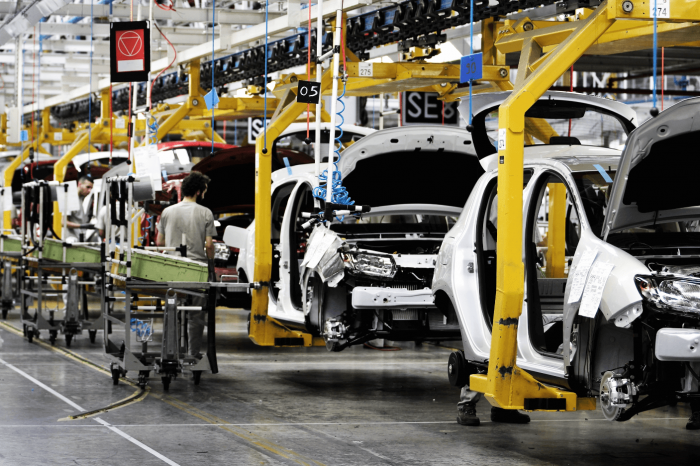
The car industry has played a major role in this growth. Morocco is now the biggest vehicle producer in Africa, with large factories run by Renault in Tangier and Stellantis in Kenitra.
The country can produce more than 700,000 vehicles a year. Car exports bring in more than $13bn annually and the sector employs over 220,000 people.
Morocco has also expanded its aerospace industry by attracting international companies that make aircraft parts and provide maintenance services, especially around Casablanca. The sector now includes more than 140 companies and generates over $2bn in exports each year.
The phosphate industry is another key part of the economy. Morocco holds more than 70% of the world’s known phosphate rock reserves, making it an important supplier for global agriculture and food production.
State-owned OCP Group is investing $13bn between 2023 and 2027 to increase fertiliser production and use more renewable energy in its operations.
The report also pointed to Morocco’s investment in ports, roads and railways as a major factor behind its industrial success.
Tangier Med, the largest port in Africa and the Mediterranean, handles more than 8.6 million containers every year. The country’s transport network is also supported by Al Boraq, Africa’s first high-speed train, which connects Tangier and Casablanca in just over two hours.
According to the report, Morocco has become one of Africa’s strongest examples of how investment in industry, exports and infrastructure can help drive economic growth.


