

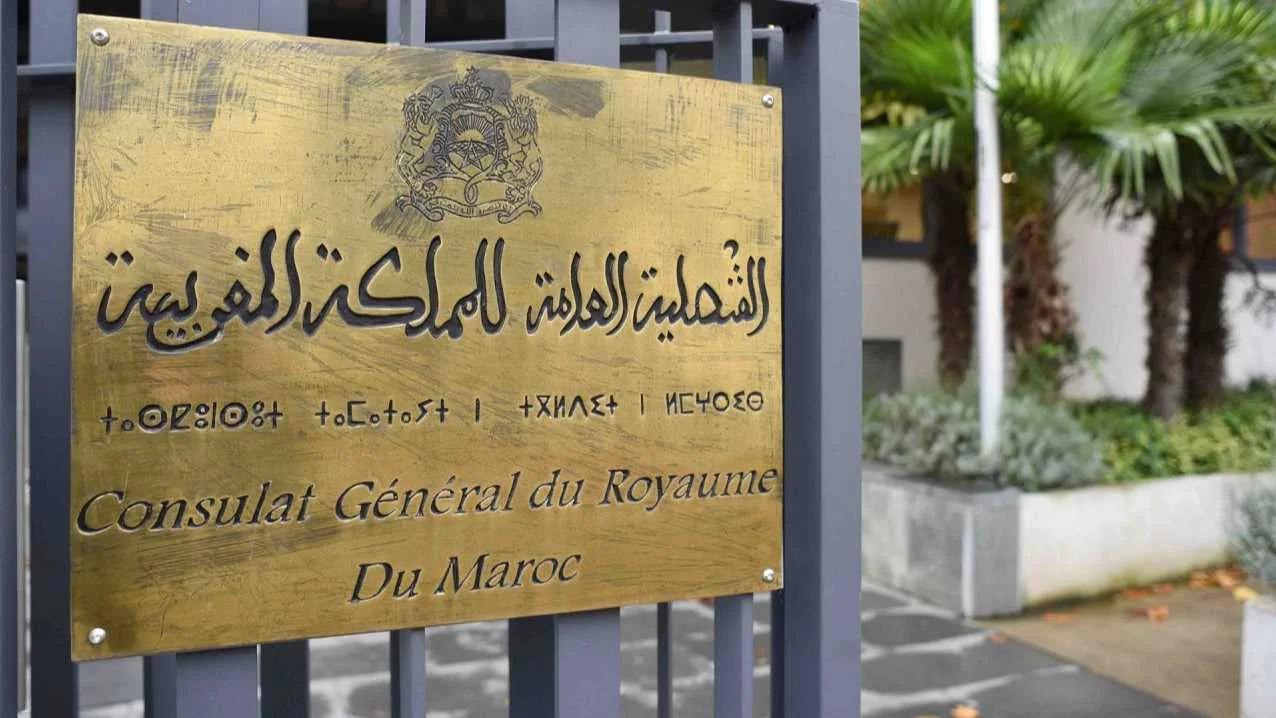
Morocco has launched mobile consular services across Spain’s Balearic and Canary Islands to help citizens handle paperwork closer to home. The aim is to support Moroccans who live far from permanent consulates.
Temporary stations are being set up in remote areas to reduce long travel, mobility issues and work schedule problems.
The mobile offices offer services usually done at consulates. These include passport renewals, registering births and marriages, issuing certificates and providing general consular help.
Officials say the move helps keep strong links with Moroccans living abroad by bringing services directly to their communities.
Residents have welcomed the change. Reports from 2M say many people are happy because the service saves time and money. They no longer need to travel to Palma de Mallorca, the main consular hub in the islands.
In May 2026, Morocco expanded the programme as part of the Foreign Ministry’s “proximity policy”. The expansion focuses on Moroccans in the Balearic and Canary Islands and aims to reduce financial and travel barriers.
Recent operations focused on Ibiza, where a large Moroccan community lives. The Consulate General in Palma de Mallorca sent mobile teams to the island so residents do not need flights or ferries for basic paperwork.
Similar services are now running in mainland Spain. In April 2026, the Consulate General in Madrid launched a mobile unit in Cuenca province to serve about 40,000 Moroccan residents in Castile-La Mancha.
Mobile consulates are also helping people deal with new Spanish immigration rules. They are processing criminal record certificates and “good conduct” documents with an Apostille. These are needed for the regularisation of about 500,000 migrants under a recent royal decree in Spain.
Teams are issuing biometric passports and electronic national identity cards on site. Many units now work weekends and public holidays to fit around work schedules.
The rollout is linked to preparations for Operation Marhaba 2026, the annual summer travel programme for Moroccans living in Europe. In May, the Moroccan-Spanish Joint Transit Commission met in Tangier to finalise plans.
Authorities want travellers to have updated documents before the busy travel period in July and August. About 3.5 million people are expected to cross the Strait of Gibraltar this summer.


