

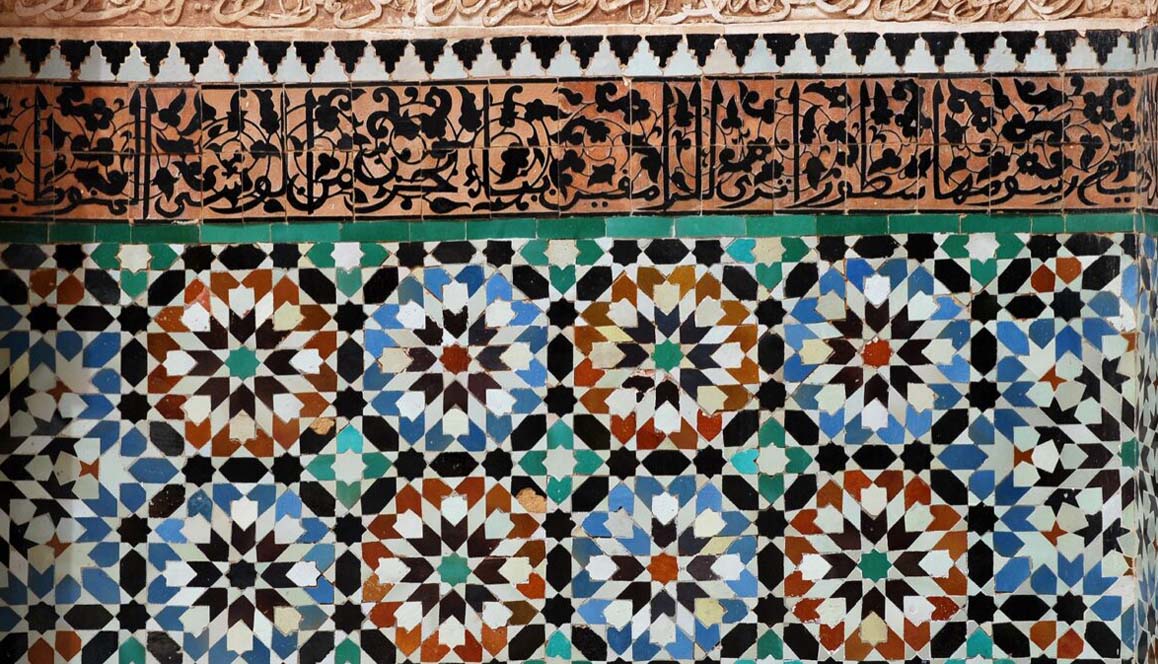
Morocco has asked UNESCO to add its traditional zellige tilework to the Intangible Cultural Heritage list. The Ministry of Culture said the move follows talks in Paris between Moroccan officials and UNESCO’s acting Director-General for Culture, Lazare Assomo.
The government says the aim is to protect zellige as a key part of Morocco’s heritage. The tilework is a major feature of the country’s historic buildings, including palaces and mosques in cities such as Fez.
Officials say the nomination comes at a sensitive time, with ongoing cultural tensions with Algeria. Morocco has accused its neighbour of trying to claim the tradition. The ministry said it would take steps to defend what it sees as part of its national identity.
What zellige is
Zellige is a traditional form of mosaic tilework made from baked clay. It is known for its detailed geometric patterns and careful handcrafting.
Artisans start by shaping and firing clay tiles, then cutting them into small pieces using a hammer called a manqar. These pieces are arranged into complex patterns based on Islamic geometry, often featuring stars and repeating shapes.
The craft is passed down through master craftsmen known as Maalem. Apprentices can spend years learning how to fit the pieces together precisely, without gaps.
Fez is seen as the main centre of zellige production, helped by a local type of grey clay that is strong but easy to shape.
Dispute over cultural ownership
The UNESCO bid comes against a backdrop of disagreement between Morocco and Algeria over cultural heritage.
In 2022, Morocco complained after sports brand Adidas released an Algerian football shirt that included patterns similar to zellige. Adidas later said it regretted the issue and acknowledged the Moroccan origins of the design.
There have also been disputes over traditional clothing, including styles linked to Fez. Morocco has previously objected to Algerian UNESCO submissions it says include Moroccan cultural elements.
Wider global pattern
Countries around the world have increasingly turned to UNESCO listings to protect traditional foods and crafts.
France successfully added the baguette in 2022, highlighting both the baking process and its role in daily life. South Korea has listed the making of kimchi, known as Kimjang, as a shared cultural practice. Lebanon has also pushed for recognition of hummus.
Morocco is following a similar approach, focusing on the skills and traditions behind zellige rather than just the finished tiles.


