

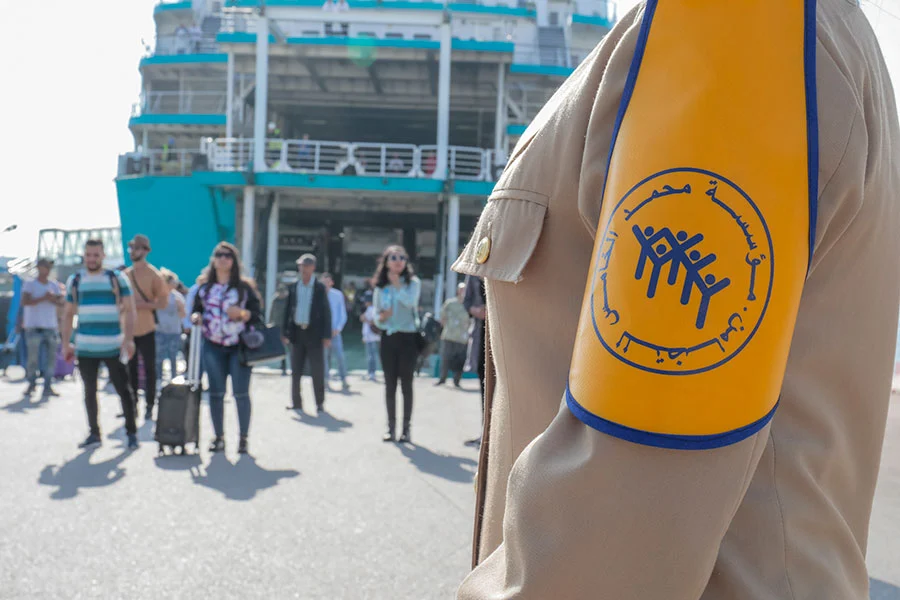
Morocco has updated its customs rules ahead of Operation Marhaba 2026, the annual summer crossing that brings millions of Moroccans living abroad back to the Kingdom. The Customs and Indirect Tax Administration (ADII) has published a new guide explaining what travellers can bring into Morocco, what is banned, and which items need special approval.
Weapons, ammunition, drugs, counterfeit goods, and materials considered harmful to public order, including some publications and audiovisual content, are banned from entering the country.
Travellers can bring medicines for personal use without paying customs duties if they have a prescription and other medical documents. Medicines imported for other purposes need approval from the Moroccan Agency for Medicines and Health Products and are subject to customs duties.
The guide also allows duty free imports of goods donated to public institutions and recognised charities, as long as the required procedures are followed.
Goods that do not qualify for customs exemptions or temporary admission, or goods that appear to be for sale, must be declared and customs duties will apply.
If customs officers cannot process certain items at the border, they can keep them in storage for up to 45 days. After that, the goods are considered abandoned.
Moroccans living abroad can also temporarily bring personal belongings such as jewellery, musical instruments, computers, and mobility equipment into the country under certain conditions.
The administration said drones are not considered toys and are subject to strict import rules. Telecommunications equipment, animals, and hunting weapons also require prior approval before entering Morocco.
Under the standard customs allowance, eligible travellers can bring non-commercial goods worth up to MAD 25,000 without paying customs duties. Moroccans who are returning to live permanently in the Kingdom may qualify for a separate exemption of up to MAD 40,000 if they meet the required conditions.
The new rules are intended to make border crossings smoother during Operation Marhaba 2026, one of the world’s biggest annual passenger movements.


