

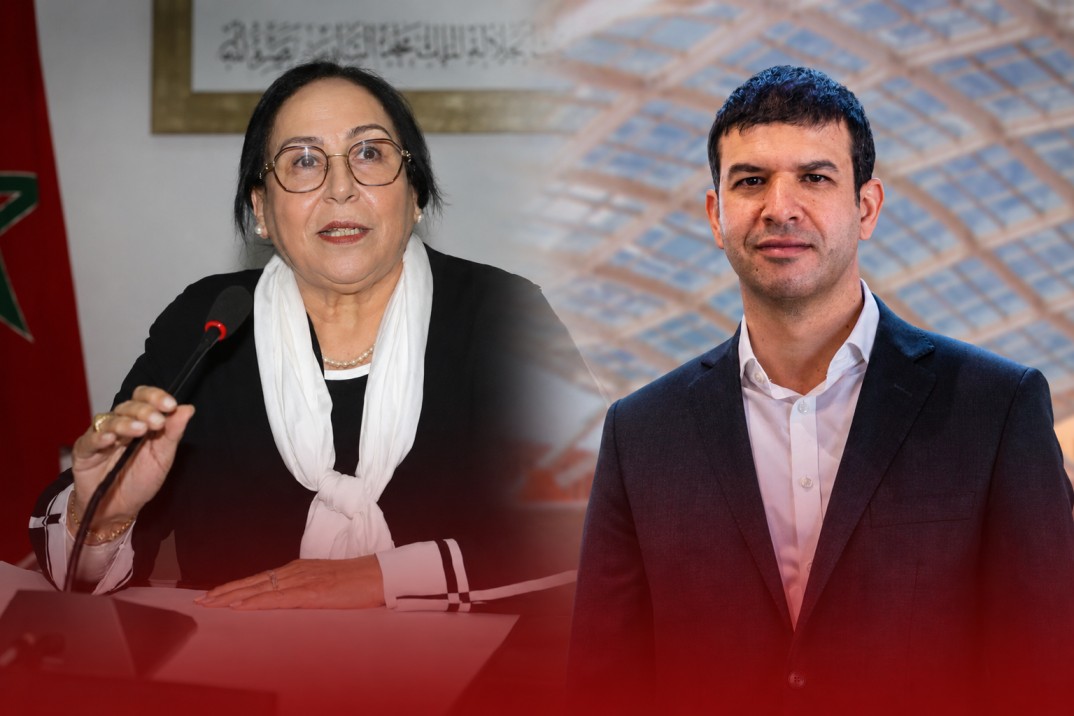
Morocco’s Royal Archives and Mohammed VI Polytechnic University (UM6P) have signed a new agreement to preserve the country’s historical documents and make them easier to access using artificial intelligence. The partnership agreement was signed by Royal Archives Director Bahija Simou and UM6P President Hicham El Habti.
It focuses on four areas: training, research, digitisation and the preservation of Morocco’s documentary heritage.
The two institutions will train specialists in archives, heritage, documentation and digital technologies. They will also work together to preserve, digitise and promote historical collections.
Simou said the partnership is part of the Royal Archives’ effort to work more closely with universities and researchers.
“The primary mission of the Directorate is to place documentary heritage at the service of researchers,” she said.
She added that the agreement will strengthen staff training and the exchange of expertise, especially in artificial intelligence and digitisation.
It will also support exhibitions and scientific publications to raise awareness of Morocco’s written, tangible and intangible heritage.
El Habti said the partnership will focus on digitising the Royal Archives in the age of artificial intelligence.
“One of the main goals of this alliance is to make archives available to Moroccan researchers to strengthen scientific research related to national history,” he said.
He added that the two institutions will also organise scientific and cultural events together and develop new research projects.
UM6P will support the project through its Maou’root Heritage Center, which uses data science and artificial intelligence to preserve and promote Morocco’s cultural heritage.
Artificial intelligence can help read old handwritten documents, turn them into searchable digital text, detect early signs of damage and automatically organise millions of records by date, place and people.
The project will also benefit from UM6P’s African Supercomputing Center, which is home to Toubkal, one of Africa’s most powerful supercomputers. The system can process huge amounts of data needed to train AI models on historical documents.


