

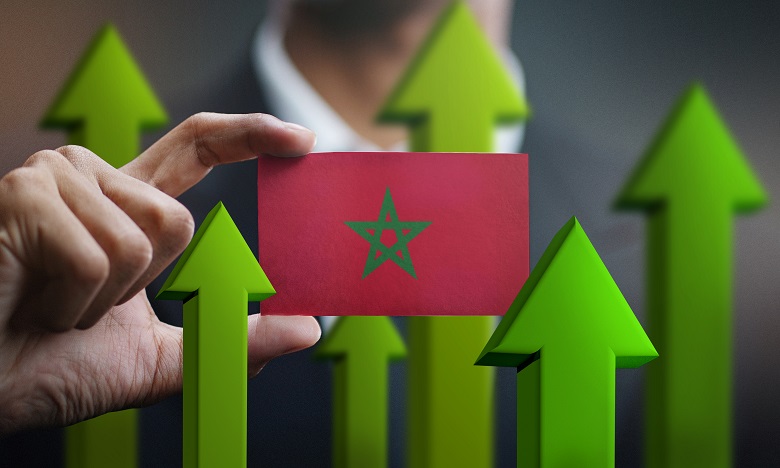
In 2024, the national economy made significant strides, with the country’s gross domestic product reaching 1.596 trillion dirhams—marking a robust 7.9% increase compared to the previous year. This economic upswing also led to a notable rise in gross national disposable income, which climbed to 1.709 trillion dirhams, reflecting a 7.7% boost.
The private sector, particularly financial and non-financial corporations, remained a key engine of growth. These entities accounted for nearly half of the nation’s GDP, contributing 45.7%. However, their share of the national disposable income was comparatively low at 16.6%. Despite this, they were the main drivers of savings and investment, generating over 60% of the country’s savings and nearly the same proportion of gross investment.
Government institutions, meanwhile, saw a slight dip in their economic footprint, contributing 14.8% to GDP, down from 15% the year before. They held a stronger position in terms of income, making up 20.3% of the national disposable income. Households and non-profit organizations serving them represented 28.4% of total national wealth, but their dominance was more pronounced when it came to income—they controlled 63.1% of the national disposable income.
Households experienced a meaningful improvement in their purchasing power in 2024, with a 5.1% rise, a significant jump from the modest 1.8% increase in 2023. This improvement was largely fueled by subdued inflation, which stayed below 1%, and a 6% increase in per capita disposable income, which reached 28,808 dirhams.
The total gross disposable income of households grew by 6.7%, totaling 1.059 trillion dirhams. Wages made up the largest share at 45.3%, while mixed income—largely from rental earnings and self-employment—contributed 39.4%. Net property income also saw a sharp 10.6% rise. On the downside, taxes and social contributions absorbed 17.6% of household income.
Most of this income went directly into consumption, with households spending 89.2% of their disposable income. Nonetheless, the savings rate edged up to 11.3%, reflecting a stronger financial position. Additionally, in-kind social transfers saw a healthy 9.5% increase, further supporting household welfare.
National savings surged by 11.6%, reaching 461.7 billion dirhams. Corporations were again the primary contributors, accounting for 60.3%, followed by households and non-profit groups with 26.8%, and public administrations with 12.9%. This influx of savings fueled a sharp 13.9% rise in gross fixed capital formation, which hit 422.5 billion dirhams.
The investment rebound was led by companies, which ramped up their capital spending by nearly 20%. Households and non-profits also increased their investments by 7.9%, while public sector investment grew more modestly at 3.2%. In total, businesses were responsible for about 60% of the country’s investment activity.
Despite this momentum, the national funding gap widened, reaching 18.5 billion dirhams—1.2% of GDP—up from 0.9% the previous year. This deterioration was primarily due to a shift among non-financial corporations, which moved from a surplus to a financing need of 8.2 billion dirhams. Financial institutions also saw their deficit deepen, posting a shortfall of 9.1 billion dirhams. In contrast, the public sector managed to cut back on its financing needs, while households improved their savings capacity.
The government continued to rely on borrowing, especially in the domestic market, where debt issuance rose to 48.8 billion dirhams. External debt fell significantly to 19 billion dirhams, largely due to a drop in international bond issuances.
Non-financial companies scaled back their reliance on bank loans, with net borrowing dropping to 12.9 billion dirhams—much lower than the previous year. Households, for their part, slightly increased their borrowing but made more noticeable strides in saving. Bank deposits surged by nearly 87 billion dirhams. Financial institutions, while slowing the pace of credit distribution, saw a significant rise in deposit inflows.


