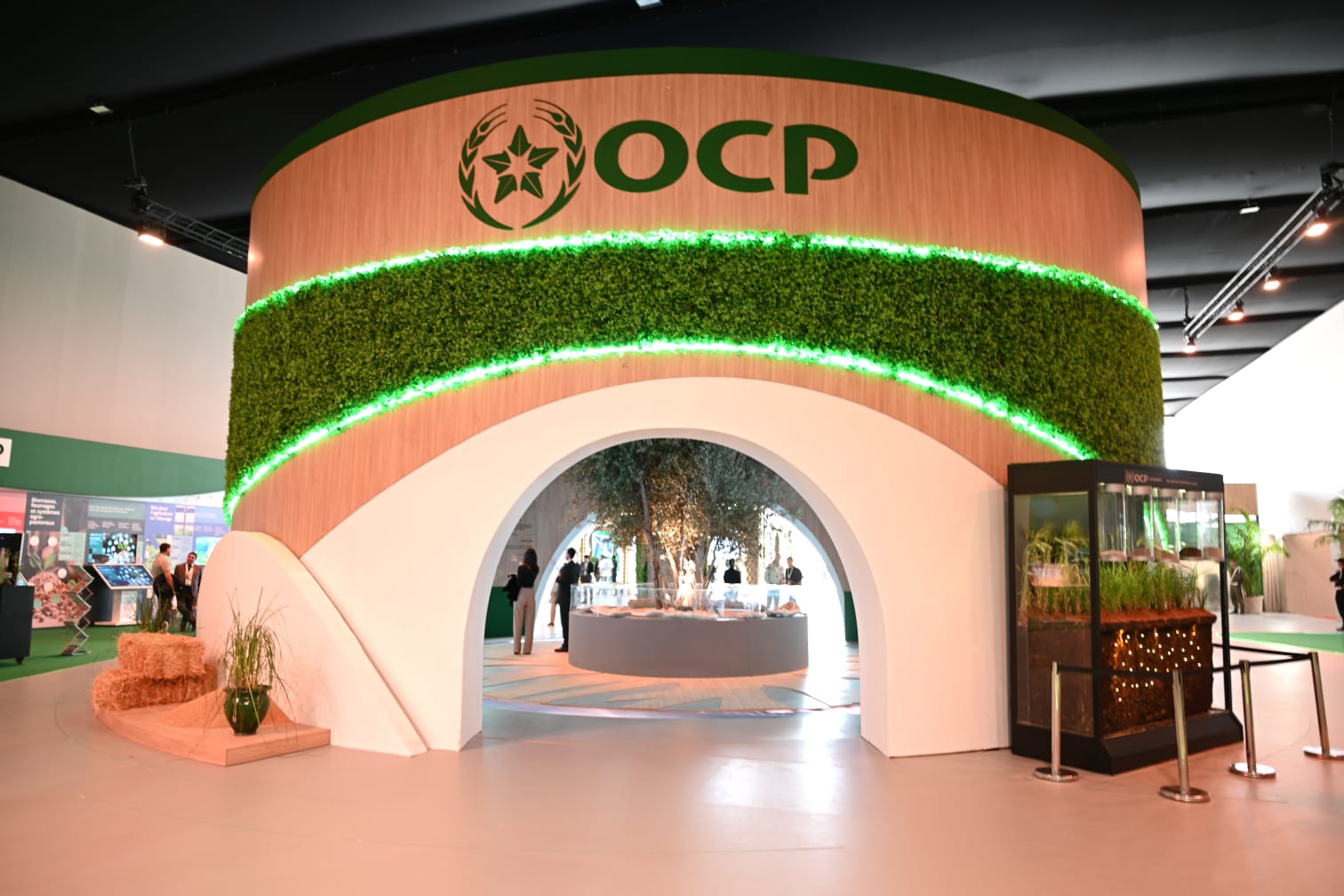
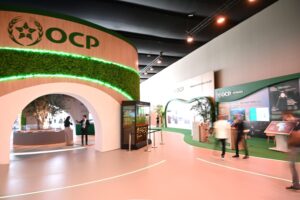
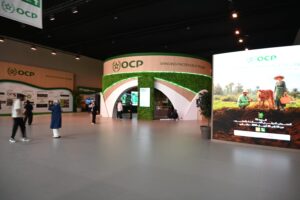
OCP Group used the 18th Salon International de l’Agriculture au Maroc (SIAM), held from 20 to 28 April, to present a new approach focused on livestock and soil health.
The event’s main theme this year is animal production. OCP says phosphorus links the whole chain from phosphate mining to animal feed. The company is moving away from selling standard fertilisers in bulk and instead offering tailored solutions for farmers.

Its strategy is based on the “4R” method: using the right fertiliser, in the right amount, at the right time and in the right place. OCP says this can cut waste, reduce environmental impact and improve crop yields.
OCP Nutricrops is working on better forage crops for livestock. Another division, Specialty Products & Solutions, produces the Phosfeed range of phosphates designed to improve animal health and farm productivity.
OCP says its Al Moutmir programme has supported more than 40,000 Moroccan farmers and carried out 229,000 soil tests. Since 2012, the OCP Foundation says it has reached more than 1.5 million people in 16 countries, with a focus on supporting women in agriculture.

Why phosphorus matters
Phosphorus is essential for life and plant growth. It helps roots develop and crops grow early. Unlike nitrogen, it cannot be taken from the air and must be mined, making it a limited resource.
Morocco holds around 70% of the world’s known phosphate rock reserves. OCP is investing $13bn between 2023 and 2027 to use renewable energy and desalinated water in its operations.
About 40% of the world’s farmland has acidic soil, which makes it harder for plants to absorb phosphorus. OCP says its products can release nutrients slowly and help balance soil conditions.

Carbon farming and green ammonia
OCP says precision fertiliser use can help store more carbon in soil while improving fertility.
The company is also investing in green ammonia made using green hydrogen to cut emissions and reduce reliance on natural gas.
Digital tools are another focus. Programmes such as Al Moutmir use mobile apps and soil mapping to give small farmers access to detailed data that was once only available to large farms.