

PortNet processed more import and export transactions in June as businesses continued to move their trade operations online, according to the platform’s latest monthly report.
The digital platform handled 64,462 import titles, 722 certificates of origin, 968 import licences, 1,773 commitment requests, 191,388 Single Goods Declarations (DUM) and 84,076 invoices during the month.
Businesses took an average of 4.42 hours to complete the domiciliation of import titles, a banking step that importers must complete before goods can be cleared.
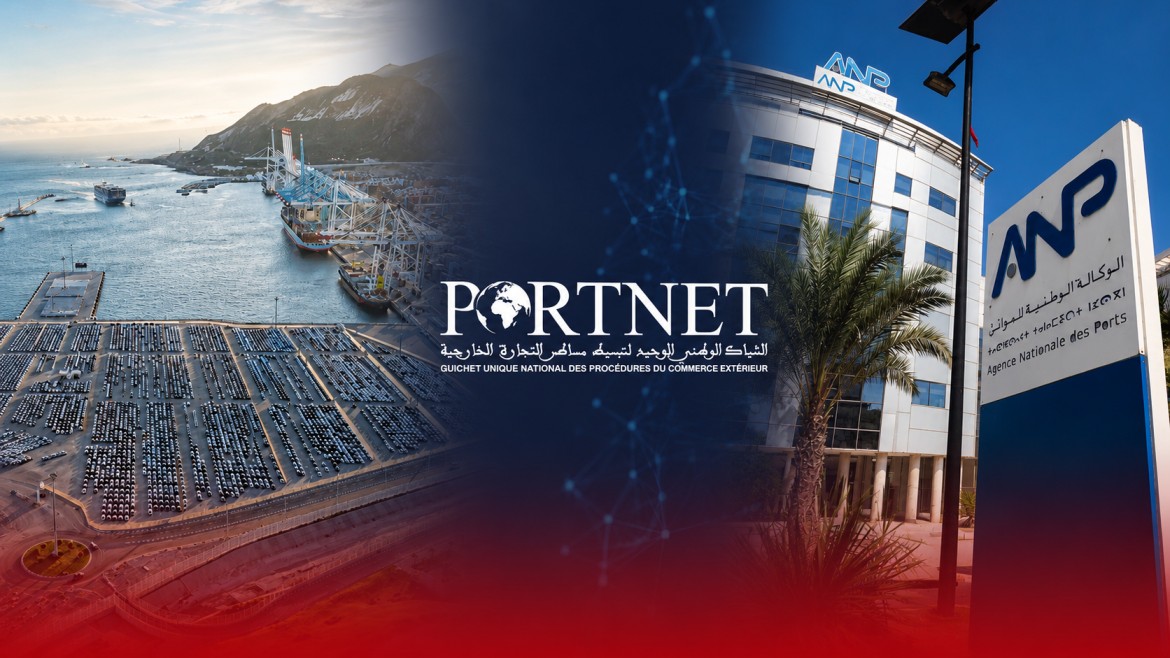
PortNet is Morocco’s National Single Window for Foreign Trade. It connects customs, ports, banks and businesses through one digital platform, replacing many paper-based procedures.
The number of users continued to grow. The platform had 112,980 registered accounts, including 95,753 active users.
Transit agents made up 46% of users, followed by importers with 31% and exporters with about 16%.
PortNet processed 1,147 maritime cargo manifests in June, taking the total number since launch to more than 75,000.
Shipping companies submitted cargo manifests an average of 91.20 hours before processing. More than half were filed before ships arrived at Moroccan ports, helping customs and port authorities prepare shipments in advance.
Air freight also remained busy. The platform processed 1,835 air cargo manifests, with an average filing time of 85.47 hours. Around 65% of shipment data was submitted before the cargo arrived, helping speed up handling and customs clearance.
The report also highlighted delays at the Port of Casablanca.
Containers stayed at the port for an average of 12.64 days, although the median dwell time was 5.10 days. The difference suggests that most containers move relatively quickly, while a smaller number remain at the port for much longer.
Inspection remains one of the biggest causes of delays. Containers selected for inspection stayed at the port for an average of 18.05 days, compared with 11.51 days for containers that were not inspected.
The report found that 91% of Single Goods Declarations are created only after containers arrive at the port. Completing these documents before shipments arrive could reduce waiting times and improve efficiency.
PortNet also processed 115,180 import declarations and 76,208 export declarations while continuing to monitor processing times and cargo release orders across the country’s ports.
Electronic payments through the platform also increased in June as more businesses paid invoices online, showing growing use of digital payment services for foreign trade.
The latest figures show that digital systems are expanding alongside Morocco’s investment in port infrastructure, including Tanger Med and the future Nador West Med port. Authorities are also working to introduce artificial intelligence into PortNet and improve coordination between inspection agencies to reduce delays and speed up customs clearance.


