

Morocco ’s water situation has changed fast after months of steady rain. Since mid-November 2025, rain across the country has filled dams to 70.7% of their capacity by 20 February 2026. At the same time last year, they were just 27.6% full. In everyday terms, the country has gone from having barely a quarter of its water reserves to having nearly three-quarters.
In only two months, from late December to late February, dam levels jumped by more than a third. That kind of rise usually takes much longer. After years of drought, it marks a clear turnaround.
Morocco now has 11.8 billion cubic metres of water stored in its dams. That is a huge reserve — enough to cover drinking water for cities and keep farms running through the dry months.
Every major river basin has seen improvement.
The Sebou basin now holds more than five billion cubic metres of water, about one billion more than this time last year. The Oum Er-Rbia basin shows one of the biggest jumps. A year ago it had just 254 million cubic metres. Now it has 2.3 billion, almost nine times more.
The Loukkos basin stands at 1.8 billion cubic metres. Souss-Massa, a key farming area, has close to 400 million cubic metres. The Moulouya basin holds more than 435 million cubic metres.
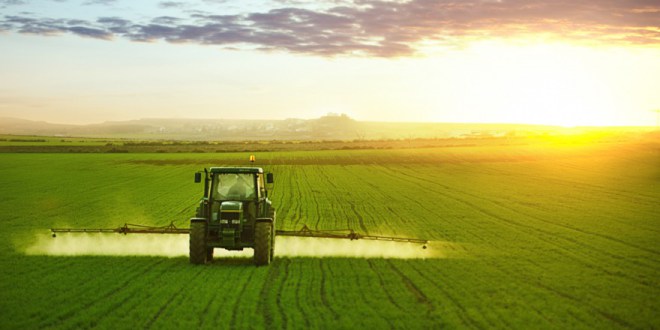
For farmers, this means less stress. With more water in dams and underground reserves, they do not have to pump as much from deep wells, which cuts costs. More rain also means greener grazing land, so livestock owners spend less on animal feed.
For families in towns and cities, fuller dams mean a lower risk of water cuts and more stable fruit and vegetable prices in local markets.
Despite recent dry years, the agriculture, forestry and fisheries sector kept growing. By the end of 2025, exports reached 42.2bn dirhams, up 3.6% from the year before. Growth was slower than in 2024, but the sector still expanded.
After years of worrying about shortages, Morocco is now dealing with a much more comfortable water cushion heading into the rest of the year.


