RCI Finance Morocco, the financing arm of the Renault Group, saw strong growth in 2025 as Morocco’s car market bounced back. The company provided 3.9 billion dirhams in new loans, up 38% from last year, thanks to more contracts and higher demand. Total outstanding loans rose 36% to over 10 billion dirhams, driven by customers, company fleets, and loans to dealers for their stock.
To fund this growth, RCI Finance increased its debt by 40% to more than 8 billion dirhams through bonds and financing notes. Despite the extra borrowing, the company stayed profitable. Net banking income rose 24% to 652 million dirhams, and net profit passed 150 million dirhams. Management said careful refinancing and strict debt monitoring helped keep profits up.
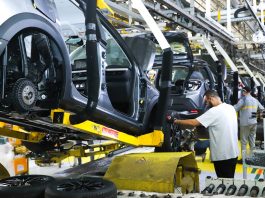
Morocco is now Africa’s top car producer, led by Renault plants in Tangier and Casablanca and Stellantis in Kenitra. The country can make over 700,000 cars a year, with more than 60% of parts sourced locally from suppliers like Valeo and Magneti Marelli. Most cars are exported to Europe, making car sales Morocco’s top export.
RCI Finance is a captive finance company, meaning it mainly supports Renault and Dacia car sales. A lot of the loans go to dealers to pay for cars in their showrooms, which they repay when the cars are sold. The company also offers packages that combine loans, insurance, and maintenance, helping Renault and Dacia hold around 40% of the passenger car market.
The rise in debt shows the company is sensitive to interest rates. RCI Finance borrows through bonds and financing notes instead of traditional bank loans, attracting big investors like pension funds. If interest rates go up, borrowing costs rise, which could affect profits if the extra cost isn’t passed on to buyers.
The 2025 recovery was helped by stable supply chains, companies updating fleets that were delayed during the high inflation years, and growing interest in hybrid cars from city buyers.
RCI Finance also follows strict rules to prepare for any losses, setting aside money in case customers can’t pay their loans, keeping the business safe even if the market dips.