

Russian buyers are starting to look at Moroccan saffron after tensions in the Middle East disrupted shipments from Iran, which has long been the main supplier of the spice to Russia.
According to traders quoted in Russian media, the conflict involving the United States, Iran and Israel has stopped new shipments from Iran and raised fears of shortages and higher prices.
Iranian saffron, known for its high quality, is becoming harder to find in Russian stores. Traders say current supplies come from stocks that were brought in around December.
Prices could rise sharply if the situation continues. Regular saffron, which now sells for about $4 to $8 per gram, could increase to between $7.5 and $12.5 per gram. Premium Iranian saffron could climb from about $15 to $22.5 per gram to between $25 and $31 per gram.
Experts say prices could rise by 30% to 50%.
Transport problems are also adding pressure. Saffron shipments to Russia usually pass through Turkey, the United Arab Emirates and Azerbaijan. But many drivers are now avoiding risky areas, causing long waits at borders and delays that can damage goods during transport.
Because of this, Moroccan saffron is attracting more attention as buyers search for other options.
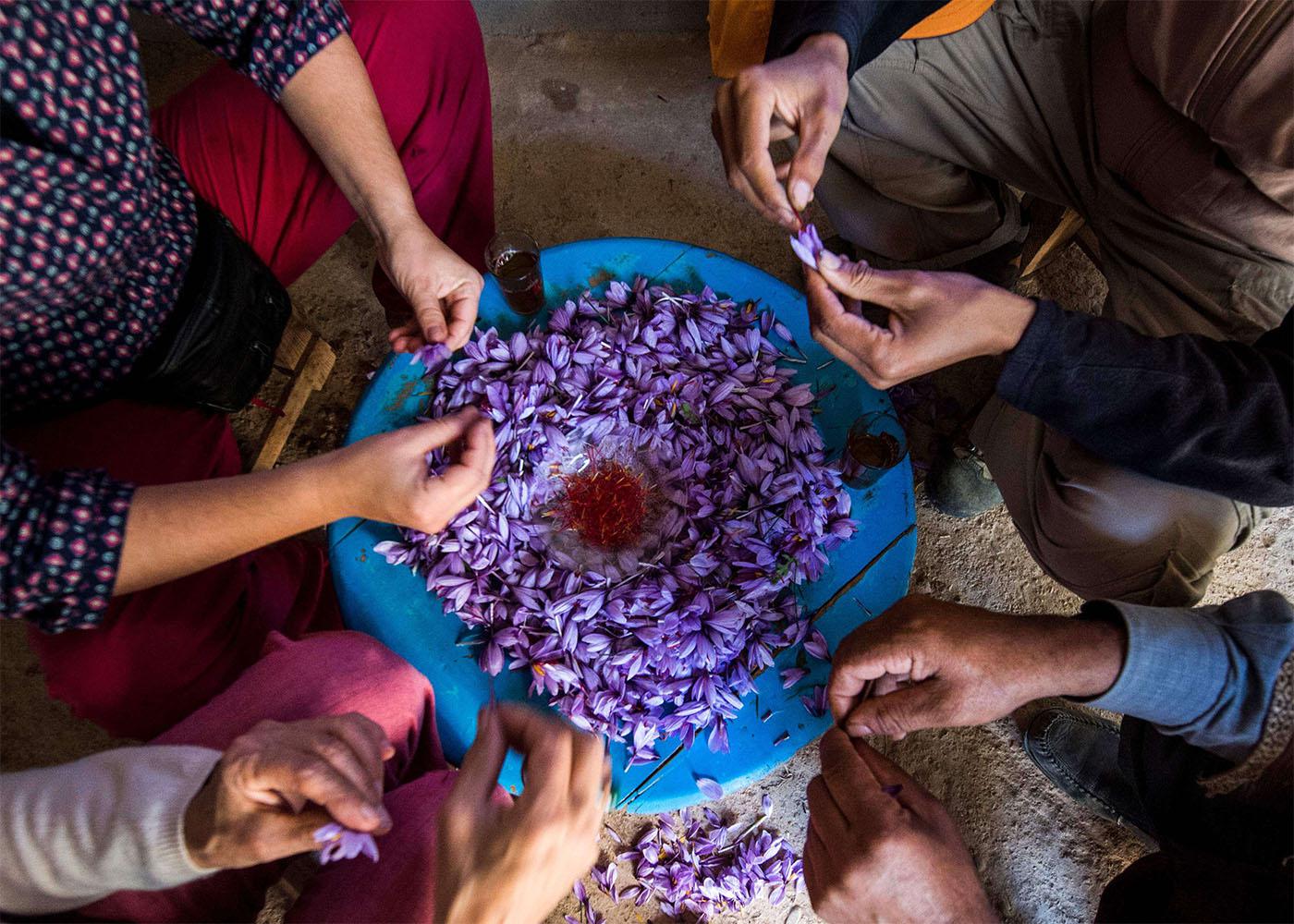
Most saffron in Morocco comes from the Taliouine plateau, a mountainous area known for producing high-quality saffron. The soil there is rich in minerals, which helps give the spice its strong smell and colour.
Saffron production is also very demanding. The flowers bloom for only about three weeks each year, from October to early November, and every flower must be picked by hand. Around 150 flowers are needed to make one gram of saffron, and about 200,000 flowers are needed to produce one kilogram.
Moroccan saffron also has a Protected Designation of Origin label, which means it must be produced in the Taliouine region using traditional methods.
Iran still produces about 90% of the world’s saffron, but traders say Morocco could offer a short-term alternative for buyers looking for high-quality supplies.
Russia could also import saffron from India, Spain and Afghanistan. However, traders say these varieties often do not match the taste and strength of Iranian saffron.
Morocco already has strong trade ties with Russia through exports of citrus fruits and tomatoes. Existing transport routes could make it easier to add saffron shipments.
The supply problems are not limited to saffron. Iran has temporarily stopped exporting many food and farm products, which usually make up more than 60% of its shipments to Russia. Items such as pistachios, dates, apples, raisins, pomegranates, cucumbers, peppers, watermelons and shrimp are also affected.
As a result, Russian shoppers could soon see higher prices for several imported foods.


