

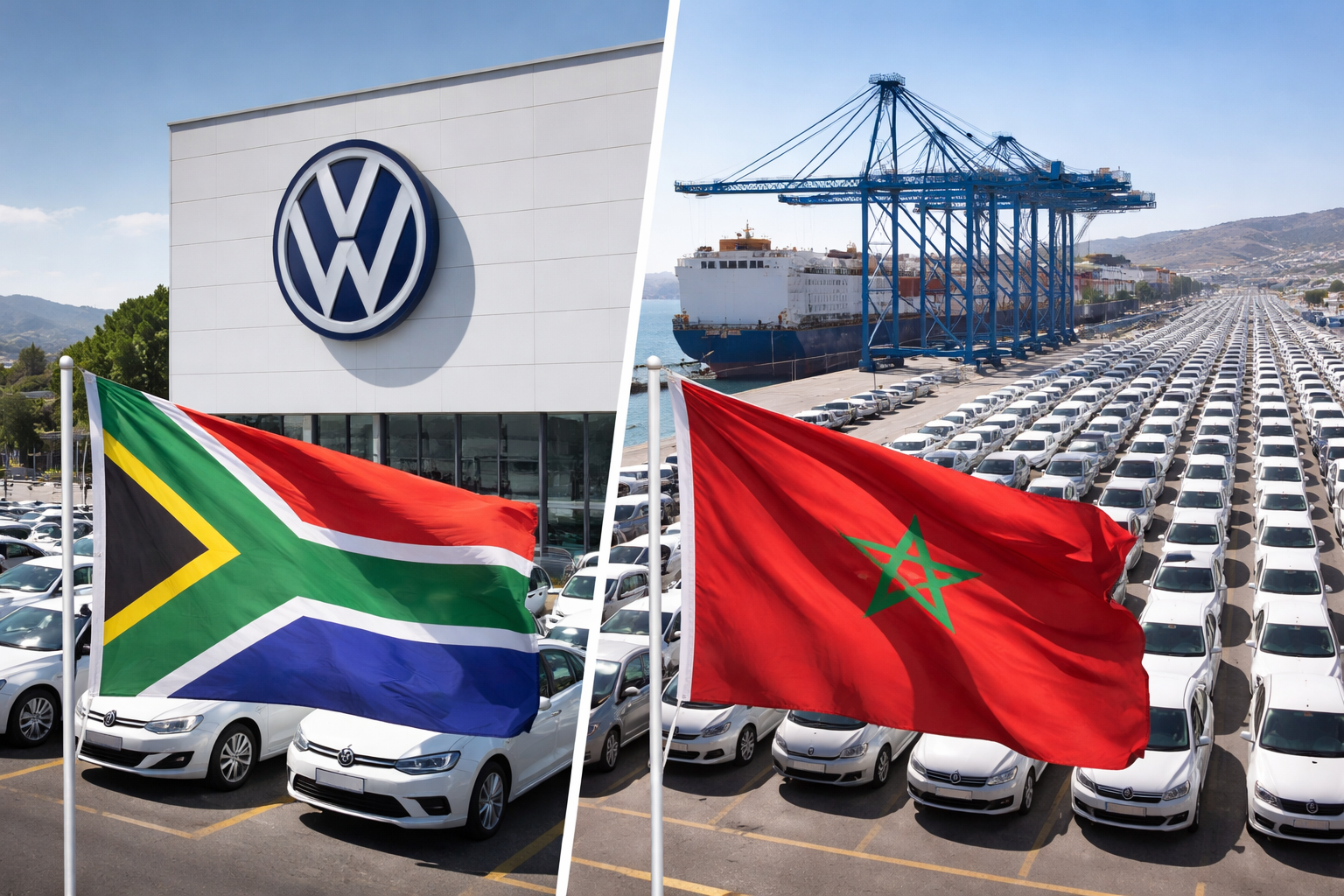
The future of the Volkswagen factory in South Africa is uncertain, with 2026 expected to be a key year for the German carmaker’s plans.
The plant in Kariega, in the Eastern Cape, employs about 4,000 people. It mainly makes petrol cars, including the Polo, for export to Europe. But ongoing power cuts, transport delays and the global shift to electric cars have raised doubts about how long the factory can continue in its current form.
South Africa’s state power company Eskom has struggled for years to provide steady electricity. At the same time, rail and port operator Transnet has faced delays and technical problems.
For Volkswagen, which exports most of the cars made in Kariega, these issues mean higher costs and slower deliveries.
Europe, its main market, is also moving away from petrol and diesel cars. New rules will gradually ban the sale of new combustion engine cars. The Kariega factory would need large investment to switch to electric cars, but this is harder in a country where electricity supply is not reliable.
The car industry makes up about 6–7 percent of South Africa’s economy. If Volkswagen were to leave, the impact would be serious. Besides the 4,000 direct jobs at the plant, many more jobs in parts companies, transport and services depend on the factory.
Morocco builds strong position
While South Africa faces challenges, Morocco has built a strong and growing car industry.
In 2025, Morocco produced more than one million vehicles, becoming Africa’s biggest car producer. Factories in Tangier and Kenitra export cars to Europe, Africa and the United States.
Morocco’s location close to Europe helps reduce shipping time and costs. The country also has free trade deals with the European Union and the United States.
Its main port, Tanger Med, is one of the busiest and most efficient in Africa. Morocco has also invested heavily in solar and wind energy, which helps carmakers meet strict European climate rules.
The country has started developing battery production and small electric cars, putting it in a better position for the future of the industry.
India and Chinese competition
India is another possible option for Volkswagen. It produces more than five million vehicles a year and offers lower production costs. It also has a large number of engineers, which is important as cars become more electric and more connected.
At the same time, Chinese brands such as BYD are expanding in emerging markets. Their lower prices increase pressure on traditional carmakers to cut costs and move production to more competitive countries.


