Casablanca is overhauling its transport plan as it prepares to co-host the 2030 FIFA World Cup with Spain and Portugal. Casa Transport, the city’s transit agency, has kicked off an eight-month study to update the 2017 Urban Mobility Plan and deal with a surge of new projects.
The city needs to handle everything from the new regional rail network and expanded trams and bus lines to the massive Hassan II Grand Stadium, which will hold 115,000 fans. A Casa Transport official said the city needs a “sustainable, integrated plan that works for growth and the World Cup.”
The stadium, located 38 kilometres from the centre, will need a full transport system to move huge crowds. The high-speed rail extension from Kénitra to Marrakech will get a new Casa-Sud station to serve the fast-growing southern districts. Trams and bus rapid transit lines have already expanded to 73 kilometres with T3, T4, Bw1, and Bw2 lines. Mohammed V Airport is adding a third terminal and a high-speed rail station.
The winning firm will have eight months to complete seven key tasks. They’ll build a traffic model using 2024 census data and phone tracking, design two priority transit lines, and create a World Cup “Event Mobility Plan” with shuttles, more trains, and a central control hub to keep the city moving during the tournament.
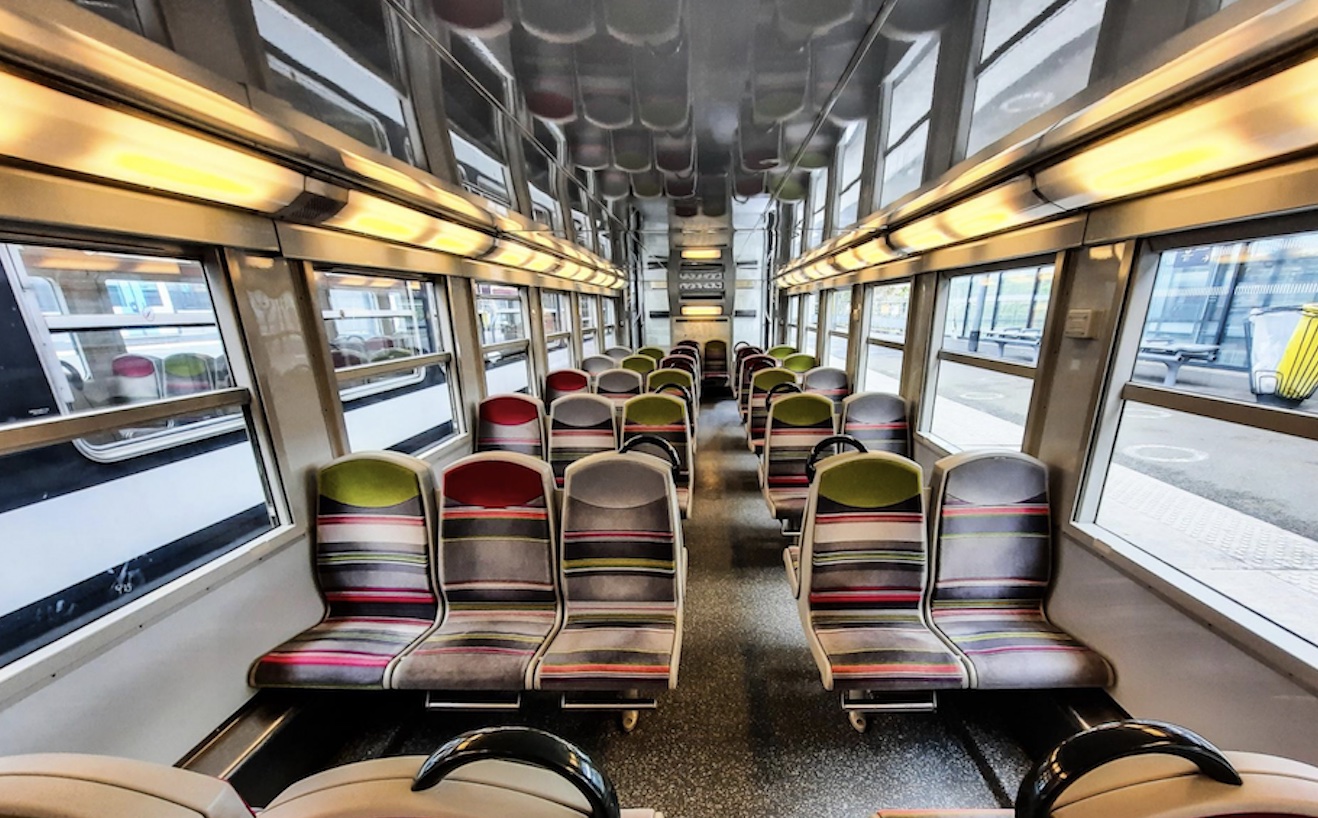
The update comes as Casablanca changes fast. The Hassan II Grand Stadium, designed to look like a traditional Moroccan tent, sits well outside the city, so a new transport “spine” is needed. Growth in southern areas like Médiouna and Nouaceur means Casa-Sud will become a major hub, shifting the city’s transport focus south. The Regional Express Network, similar to Paris’s RER, will link outer districts, the stadium, and the airport to trams and the metro.
Officials are focused on long-term solutions, not just short-term fixes. Plans include park-and-ride lots at city entrances, new buses and trains running on electric or hydrogen, and integrated ticketing so fans can travel from the airport to Casa-Sud and then to the stadium using one digital pass.
The French Development Agency is backing the study, building on €100 million already spent on tram expansions, to make sure the plan meets global standards for carbon reduction and social inclusivity.