
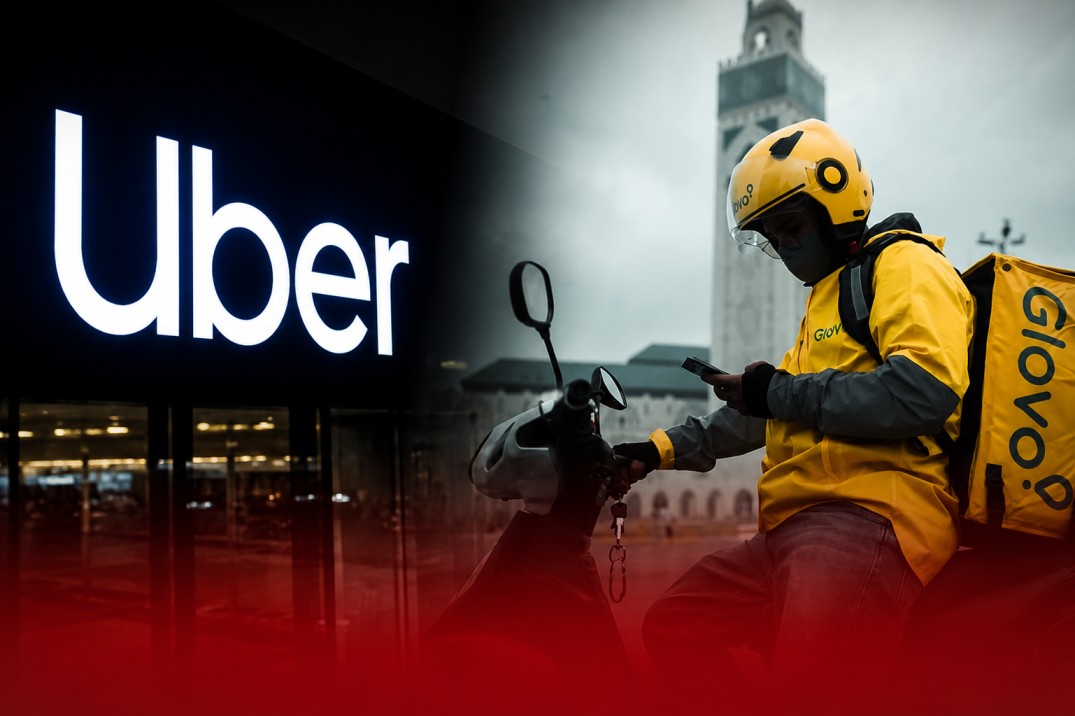
Uber is set to take over Glovo in Morocco as part of a planned $15 billion takeover of Delivery Hero, the German company that owns the delivery platform. The deal, announced on 16 July, covers 50 markets around the world. Glovo in Morocco is included in the part of the business that Uber plans to buy.
Investment firm SSW Partners will separately buy Delivery Hero’s operations in 14 countries, including Spain, Portugal, Poland, Romania and Moldova. Morocco is not part of that sale.
The takeover still needs approval from regulators and is expected to close in the second half of 2027.
GlovoApp Morocco SARL will continue operating as normal until then under Delivery Hero. Staff, restaurant partners and couriers will see no immediate changes.
Uber is offering $48.50 a share in cash, valuing Delivery Hero at about $15 billion.
The combined company would operate in 99 countries and is expected to handle about $236 billion in gross transaction value in 2025.
The businesses moving to Uber, including Glovo, Foodpanda and Talabat, handled around $42 billion in gross orders last year.
Uber wants to bring its ride-hailing and food delivery businesses closer together. Drivers could switch between carrying passengers and delivering orders, helping the company reduce costs and improve efficiency.
Delivery Hero grew rapidly during the COVID pandemic but struggled to make consistent profits. The company has also faced pressure from investors and regulators in Europe.
The deal has a local angle too.
Glovo reached a settlement with the Competition Council in July 2025 after an investigation opened in 2024 into possible anti-competitive practices. The regulator looked into claims that Glovo abused its dominant position and created economic dependence for some business partners.
Those commitments will remain in place after the takeover, meaning Uber will have to follow the same rules once the deal is completed.
Food delivery continues to grow in Morocco as more people order meals, groceries and other goods online. The takeover would give Uber control of one of the country’s biggest delivery platforms without having to build a new network from scratch.
No changes have been announced for customers or partners before the deal closes in 2027.


