

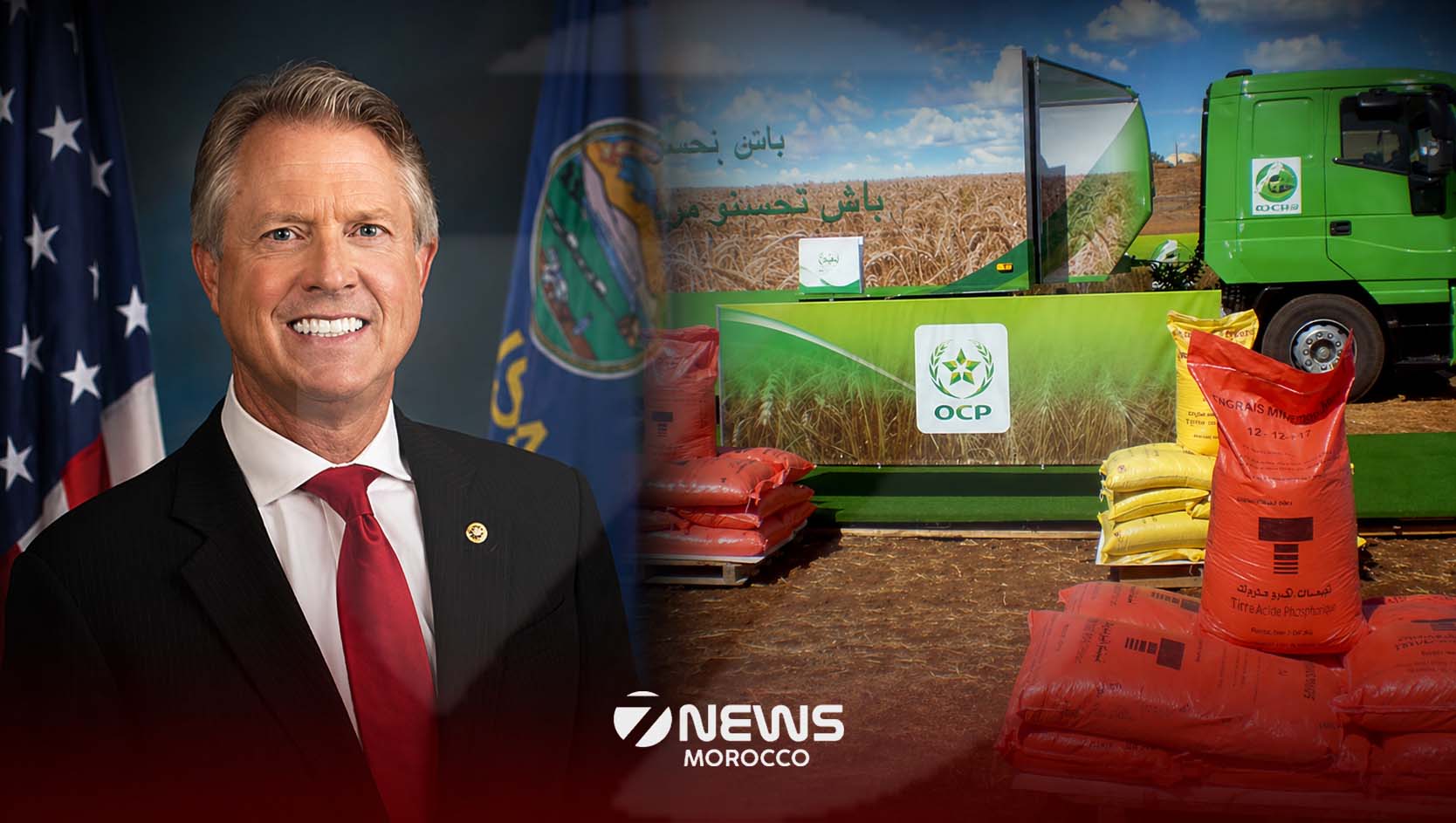
A Republican US senator has put forward a bill that would remove tariffs on phosphate fertilisers, including imports from Morocco, in an effort to reduce costs for American farmers.
Roger Marshall is proposing to scrap both import duties and countervailing duties on fertiliser. If approved, the plan would reverse a 2021 decision that imposed extra charges on Moroccan phosphate exports and change how these products enter the US market.
Marshall, who represents Kansas, says high fertiliser prices are hurting farmers’ profits and making farming harder to sustain. He argues that removing tariffs would help bring down costs quickly and improve access to supplies.
The National Association of Wheat Growers backs the proposal. It says wheat farmers in the US have paid close to $1 billion more since the tariffs were introduced and believes removing them would ease pressure on the sector.
The issue sits within a tight global fertiliser market. Phosphate is one of the main nutrients used in farming. Morocco holds more than 70% of the world’s known phosphate reserves, so any tax or restriction on its exports affects global supply and prices.
Analysts say the 2021 tariffs reduced available supply in North America. This pushed farmers towards more expensive alternatives, which then fed into higher food prices for consumers.
The dispute goes back to a trade case involving Mosaic Company and OCP Group. Mosaic argued that OCP benefited from government support that let it sell fertiliser at very low prices in the US.
US trade authorities agreed at the time and imposed duties, but farming groups have criticised the move, saying it has increased costs for growers while protecting one domestic company.
The bill also links to wider relations between Washington and Rabat. Morocco is seen as an important US partner in North Africa. Supporters of the bill say high tariffs on a key ally make it harder to secure stable supply chains for food and energy.
Environmental arguments have also entered the discussion. OCP Group has invested in cleaner fertiliser production, including green ammonia. Some lawmakers say cheaper imports could help US farmers adopt more efficient farming methods and reduce waste in the long run.


