
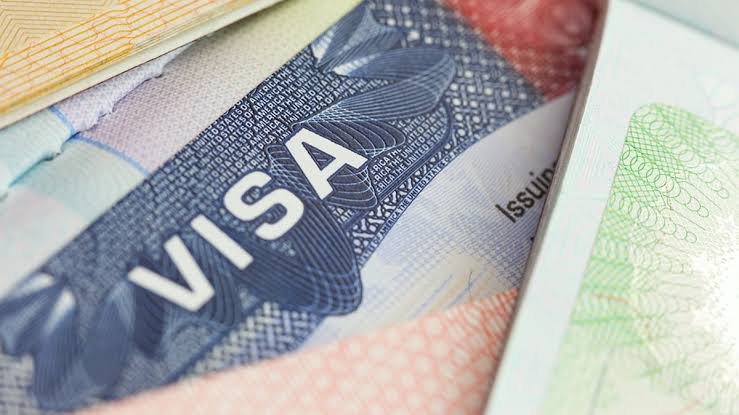
The US plans to limit how long foreign students and journalists can stay in the country under new visa rules. The proposal, published by the Department of Homeland Security, would allow foreign students to stay only for the length of their study programme, with a maximum stay of four years.
Foreign journalists would be allowed to stay for 240 days, or about eight months, at a time. They could apply to renew their visas for another 240 days, up to a total stay of four years.
The new rules are expected to come into force in two months unless Congress blocks them.
At the moment, foreign students can stay in the US for as long as they remain enrolled in their academic programme. Foreign journalists can receive visas valid for up to five years, with the option to renew them.
Homeland Security Secretary Markwayne Mullin said the changes would stop abuse of the immigration system.
“For decades, foreign students have been admitted to the United States for an indefinite period, allowing thousands to abuse our immigration system by continuously enrolling in courses to avoid leaving the country,” he said.
“By imposing clear and specific limits on these visas, the United States is regaining control of its ability to properly monitor, verify and oversee people present in the country.”
The changes would affect journalists and correspondents working for hundreds of foreign news organisations in the United States.
The proposal was first announced last summer and went through a public consultation process.
Around 100 international media organisations and press groups warned in an open letter that the changes would “reduce both the quantity and quality of coverage” of news in the United States.