

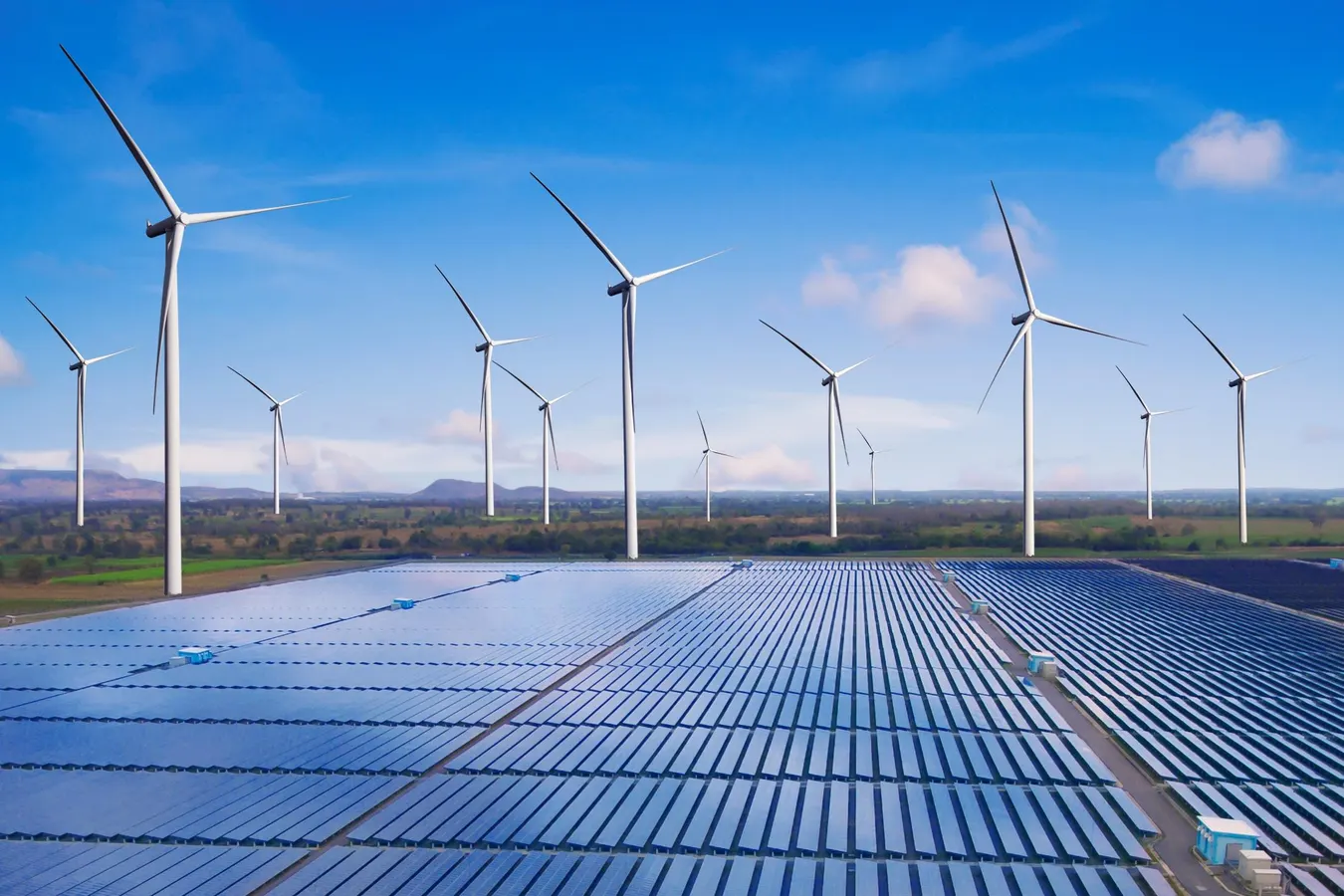
Morocco has secured $265 million from the World Bank to build a major hydropower station that will store electricity from solar and wind farms and supply it to the national grid when demand is highest. The Ifahsa pumped storage hydropower station, near Chefchaouen, will have a capacity of 300 megawatts. It is one of the biggest projects of its kind in Africa and is expected to help Morocco make better use of renewable energy.
The World Bank said the station will work like a giant rechargeable battery. When solar panels and wind farms produce more electricity than the country needs, the extra power will be used to pump water into an upper reservoir. When electricity demand rises, the water will flow back through turbines to generate power.
The project will allow Morocco to add at least one gigawatt of new solar and wind power to the national grid. The World Bank said this could also attract nearly $1 billion in private investment in clean energy.
The new station is expected to replace almost three terawatt hours of electricity produced from fossil fuels every year and cut carbon dioxide emissions by around 1.7 million tonnes annually.
Construction is expected to create about 820 direct jobs each year. The new renewable energy projects linked to the station are also expected to create more jobs across the energy sector.
The World Bank said the project will also help Moroccan businesses by giving them access to cleaner electricity, making it easier to meet environmental standards in export markets.
The financing package includes a loan from the International Bank for Reconstruction and Development, concessional funding from the Clean Technology Fund and a grant from the Liveable Planet Fund. The African Development Bank is also helping finance the project, which will be managed by Morocco’s National Office of Electricity and Drinking Water.
Ahmadou Moustapha Ndiaye, the World Bank’s Country Director for the Maghreb and Malta, said: “Ifahsa is the type of transformative partnership we seek to build, by combining multilateral institutions and national authorities, pooling capital, and investing in infrastructure that brings environmental, social, and economic benefits.”
Pumped storage hydropower is one of the world’s most widely used ways to store electricity on a large scale. It usually operates at an efficiency of between 70% and 80% and can last for decades.
The project is part of Morocco’s plan to generate more than 52% of its installed electricity capacity from renewable sources by 2030. It will join the country’s existing pumped storage plants, including the 464 MW Afourer station and the 350 MW Abdelmoumen plant near Agadir.
The World Bank said the project will also reduce Morocco’s need for imported fossil fuels. The country has historically imported more than 90% of its energy needs.
Cleaner electricity could also help Moroccan exporters stay competitive as the European Union introduces its Carbon Border Adjustment Mechanism, which places carbon-related charges on imports from industries with high emissions.


