

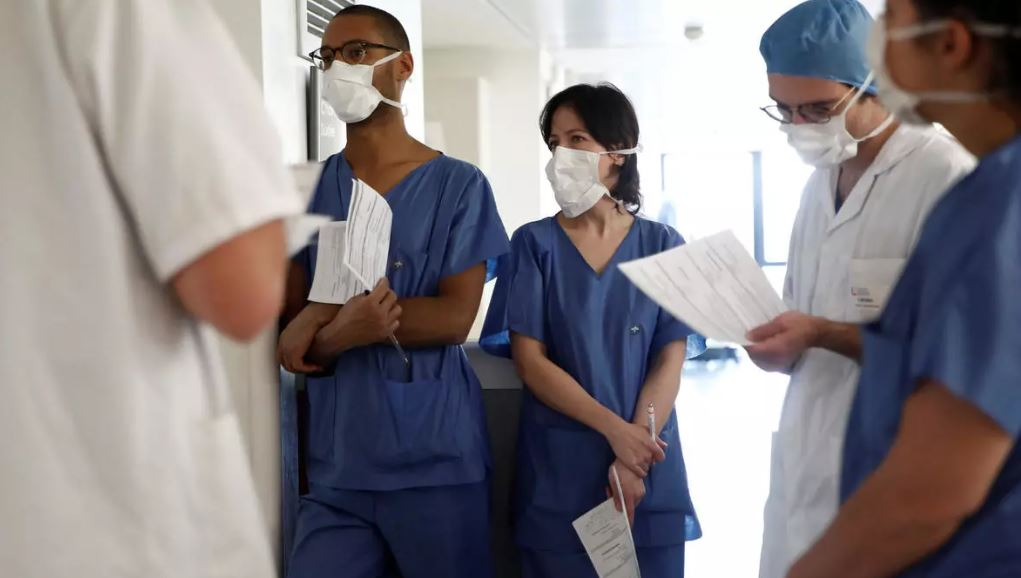
Around 8,500 nursing and health technician graduates are waiting for jobs, but only about 5,000 public-sector positions are expected to be available for them this year.
The issue has reached parliament, where opposition MP Aouicha Zelfa has asked the health minister to take action, including creating a special recruitment scheme for graduates from previous years.
About 7,000 students are expected to graduate from the Higher Institutes of Nursing Professions and Health Techniques (ISPITS) this year. Another 1,500 graduates from earlier years are still looking for work.
The figures suggest a gap of more than 3,000 people between the number of graduates and the public jobs expected to be available.
Zelfa has asked Health Minister Amine Tahraoui for a detailed breakdown of the 2026 recruitment plan. She wants to know how many jobs will be available for each specialisation and which public institutions will recruit them.
The list includes the new Territorial Health Groups (GSTs), the Moroccan Blood Agency and the Moroccan Agency for Medicines and Health Products.
She has also called for an exceptional national recruitment exam or another system to help graduates who have been waiting for jobs for years.
Some of the graduates trained in new specialisations face particular difficulties finding work.
These include operating-room nursing, nephrology and dialysis, and geriatrics. Several of these programmes were introduced from 2022 to meet specific needs in the health system.
The problem is that the number of graduates from these programmes is higher than the number of available jobs in some cases.
That has raised concerns about whether training places are being planned according to the number of health workers actually needed.
The issue comes as the health sector is facing a shortage of more than 83,000 workers, including nurses, doctors and specialised technicians.
The World Health Organization recommends at least 4.45 skilled health workers for every 1,000 people. The current level is below two per 1,000.
ISPITS has 25 institutes across the country, offering 265 specialised programmes. Demand for places is high. More than 154,000 people applied for 8,600 places during the 2025-26 admission cycle.
The government has allocated 42.3bn dirhams ($4.6bn) to the health ministry in the 2026 budget.
It plans to create 8,000 new public-sector health jobs this year. About 5,000 are expected to go to nurses and health technicians.
The new Territorial Health Groups are also expected to change how healthcare services are managed at regional level.
The government is also setting up specialised agencies, including the Moroccan Blood Agency and the Moroccan Agency for Medicines and Health Products.
Private sector cannot solve the problem alone
Private hospitals have expanded in recent years and are hiring more healthcare workers.
Akdital, one of the country’s largest private healthcare groups, now operates 36 hospitals in 21 cities and employs more than 7,500 people.
But private hospitals cannot take in all of the unemployed graduates. Their jobs are also concentrated in certain areas, while salaries and working conditions vary between employers.
Zelfa wants the government to create stronger links between public and private healthcare providers to help more graduates find work while protecting their rights.
The health ministry is expected to provide more details on this year’s recruitment plans and how it will deal with graduates who are still waiting for jobs.


