

Spain imported more than 303,000 tonnes of fruit and vegetables from Morocco between January and May, worth about €890m. The value of the imports increased by 6.7% from the same period last year, while the volume fell by 6.1%, according to figures from the Spanish Federation of Associations of Producers and Exporters of Fruits, Vegetables, Flowers and Live Plants (FEPEX).
Morocco remained the largest supplier to Spain from outside the European Union.
Spain imported about 2.2 million tonnes of fresh fruit and vegetables during the first five months of the year, up 5.5% from a year earlier.
Non-EU countries supplied about 1.17 million tonnes, worth €1.93bn. The volume increased by 5.3%, while the value rose by nearly 7%.
EU countries supplied just over 1 million tonnes, up 5.8%. The value of those imports fell by 4.5% to about €725m.
France was the biggest EU supplier, with more than 599,000 tonnes, followed by the Netherlands, Portugal, Italy and Belgium.
What happens to Moroccan produce at EU borders?
Fruit and vegetables from outside the EU must meet European plant-health and food-safety rules before entering the market.
Under EU Plant Health Regulation 2019/2072, fresh produce from non-EU countries generally needs an official phytosanitary certificate. Shipments must also meet rules designed to prevent the spread of quarantine pests and other harmful organisms.
EU rules also set maximum limits for pesticide residues. Border authorities can check documents, inspect shipments and take samples for laboratory testing.
Shipments that fail the required checks can be rejected or returned.
The EU’s Rapid Alert System for Food and Feed (RASFF) is also used to share warnings about food-safety risks between member states.
Morocco has its own controls before produce is exported. The National Office for Food Safety (ONSSA) oversees farm registration, pesticide use and export certification.
Packing facilities also use traceability systems to link shipments to their farms of origin.
Tomatoes, berries and avocados
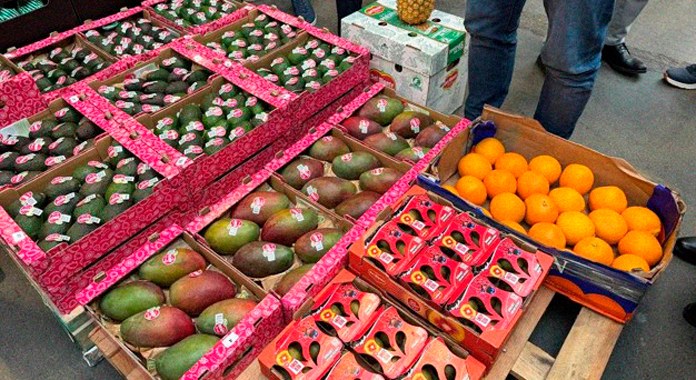
Main products exported to Spain include tomatoes, mandarins, clementines, strawberries, raspberries, blueberries, avocados, green beans and peppers.
Souss-Massa, Gharb and Oriental are among the main farming areas supplying these exports.
Morocco has invested in greenhouses, drip irrigation and desalination as farmers face water shortages and changing weather conditions.
Spanish farming groups have called for stronger checks at ports such as Algeciras and Motril on produce arriving from outside the EU.
The latest figures show a rise in the value of imports despite a fall in volume. Higher prices, along with difficult weather conditions and lower rainfall in North Africa, have contributed to the increase in export value.


