

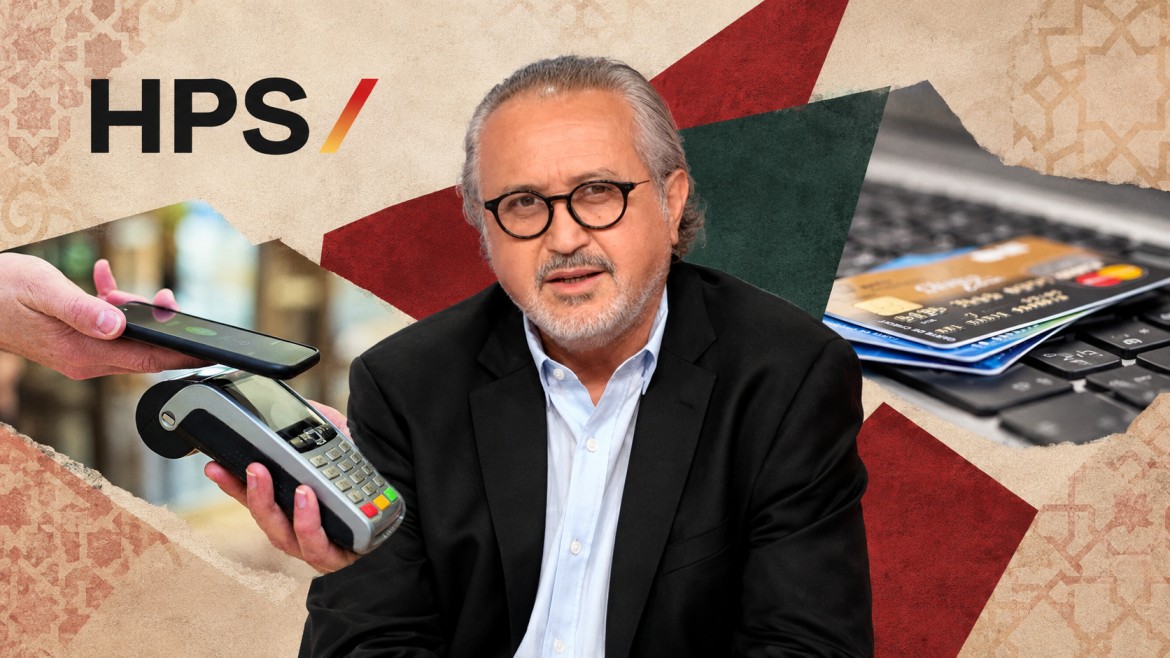
When people pay by card or phone, the transaction takes only a few seconds. Behind it, however, sits a complex network of banks, payment systems, data and technology. Abdeslam Alaoui Ismaili, CEO and co-founder of Moroccan payment technology company HPS, says African countries need to have more control over these systems as digital payments become more common. Digital sovereignty is “a sovereignty issue”, he said in an interview with TV5MONDE.
For African countries, this means controlling key digital infrastructure, protecting data and having access to different technology providers rather than depending on one company or system.
“The issue here is really to maintain control of these infrastructures, maintain control of innovation, maintain control of continuity and not lock ourselves into exclusive partnerships. On the contrary, we need alternatives.”
HPS provides technology used by banks and payment operators to process card, mobile and online payments. The company is listed on the Casablanca Stock Exchange and operates in 105 countries.
Its systems help make sure payments are secure, available and traceable.
Alaoui Ismaili says local technology can also give banks more independence.
“When we say locally, it means that it has taken on the colours of the country, that it has been adapted,” he said.
Countries such as Kenya, Tanzania, Senegal and Ivory Coast have already made major progress in digital payments, according to Alaoui Ismaili.
Cash remains widely used in Morocco. He argues that digital payments need to offer a better and cheaper alternative if that is to change.
“The best way to fight cash is to do better than cash.”
Cash also carries costs that are easy to overlook. Alaoui Ismaili referred to a study that estimated the cost of cash at 0.7% of GDP in Morocco.
Cash has to be produced, counted, secured, transported and eventually destroyed.
Digital payments create another important issue: data.
Every electronic payment produces information about a transaction. Banks, payment networks, merchants and other companies can have access to parts of that data, depending on their role.
“Today, payment is a source of extremely important data,” Alaoui Ismaili said.
Companies are increasingly looking at ways to use payment data to create new services, including through artificial intelligence.
That also makes data protection and control more important. Payment systems must follow rules covering privacy, authentication, integrity, availability and traceability.
Alaoui Ismaili believes Africa can gain economically from moving away from cash, provided it keeps control of the technology behind digital payments.
“There is really a huge source of value for Africa.”
HPS has installed payment infrastructure in several African markets, including countries in West Africa and Morocco.
These systems allow payment infrastructure and data to be managed locally.
“These infrastructures allow the management and control of the entire payment infrastructure, all the payment pipes, as we call them, or payment rails, locally. In that case, we have total control.”


