

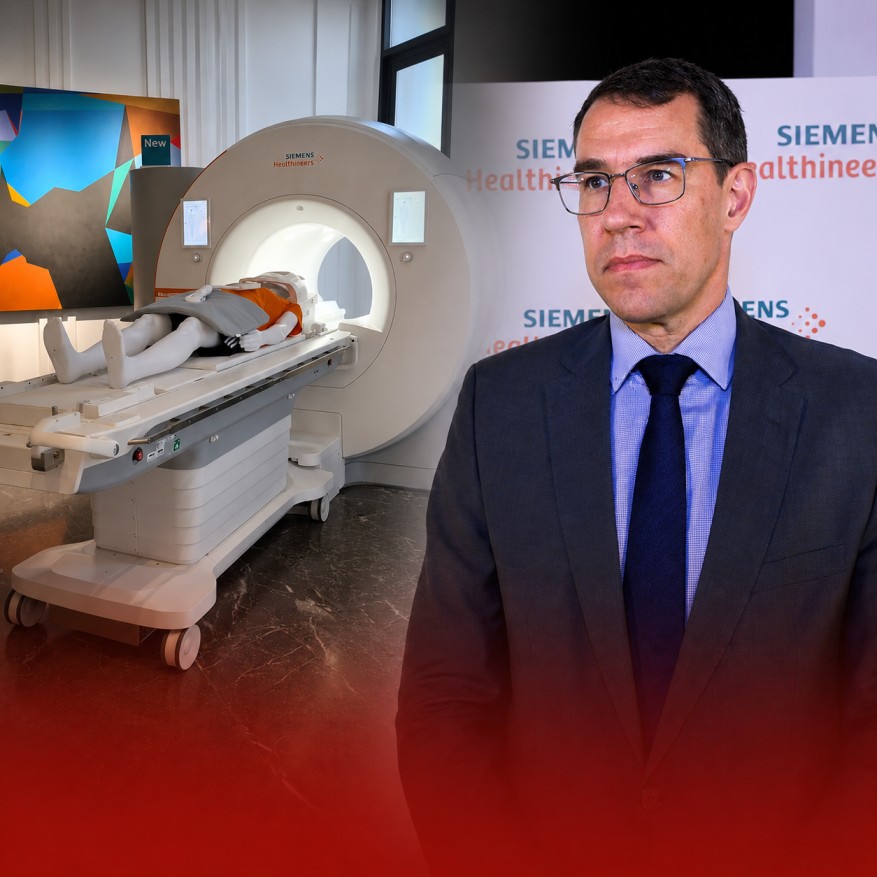
Healthcare workers in Morocco may soon have more technology to help them diagnose diseases and manage growing patient numbers. That was the message from Siemens Healthineers Morocco as it hosted the second edition of its Innovation Day in Casablanca, bringing together doctors, radiologists, healthcare managers and industry experts to discuss the future of medical imaging and artificial intelligence.
The event focused on how new technologies can help healthcare systems deal with rising demand, staff shortages and an ageing population.
“We realised that we have a lot of innovations across many different solutions and a very diverse customer base in Morocco,” said Gero Peters, Managing Director of Siemens Healthineers Morocco.
“We did not necessarily have enough events where we could bring them together and present all these innovations that we regularly bring to market.”
During the event, Siemens Healthineers showcased several technologies, including AI-powered imaging tools, interventional MRI systems and photon-counting CT scanners, a newer type of scanner designed to provide more detailed images for doctors.
The company also focused on how artificial intelligence is being used to improve diagnosis, support clinical decisions and help personalise treatment for patients.
“AI has been attracting attention in recent years because it has been popularised through large language models. But it is something we have been investing in for a very long time,” Peters said.
According to Peters, Morocco faces a growing shortage of healthcare professionals while demand for healthcare continues to rise.
He said the country currently has around 0.73 practising doctors for every 1,000 people, below World Health Organization recommendations.
At the same time, Morocco’s population is ageing and chronic diseases such as cancer, diabetes and cardiovascular illnesses are becoming more common.
“All these factors mean that we need answers. We need to treat better, treat more precisely, treat at lower cost, treat larger numbers of people with fewer healthcare workers,” Peters said.
“That will inevitably require innovation and new technological responses.”
One of the main topics discussed at the event was the growing role of data and AI in healthcare. Siemens Healthineers says it now has more than 700,000 systems installed worldwide, helping it develop AI tools based on large volumes of clinical data.
The company also presented its work on digital twins, virtual patient models that could help doctors predict how a patient may respond to a treatment before it is carried out.
The event also marked 25 years of innovation in Siemens Healthineers’ PET/CT technology, which is widely used in cancer diagnosis and treatment planning.
Experts from Germany, France, Saudi Arabia, the United Arab Emirates and Morocco took part in the event, sharing experiences and discussing how healthcare systems are changing around the world.
Peters also announced a new partnership with Moroccan artificial intelligence company Mediate AI.
“We partnered with them because we saw that together we can offer even better solutions tailored to the Moroccan and African markets,” he said.
“We have very promising ideas and prospects for innovation together to better meet market needs.”
Siemens Healthineers has been active in Morocco’s healthcare sector for more than 30 years and employs more than 190 people in the country. The company says Morocco has become a regional hub for several of its operations serving French-speaking African countries.


