

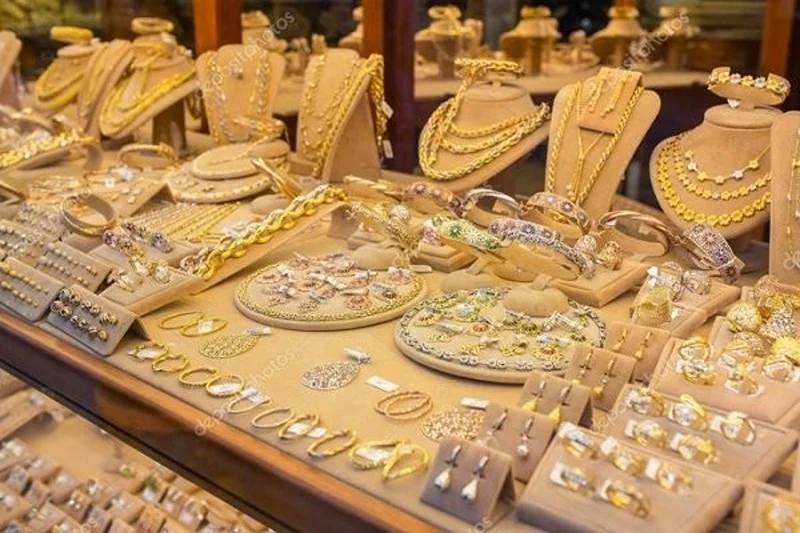
The Competition Council is investigating claims that a group of illegal gold brokers known as frakchias worked together to keep gold prices artificially high and block competition in the market.
The investigation follows several complaints filed over the past two months. Council officials have already met leaders of professional associations and industry representatives to gather information.
The probe comes after a fake gold scandal shook the sector and damaged confidence among consumers and trading partners.
One of the main allegations is that leading gold traders signed an agreement to fix the buying and selling price of raw gold at more than 16% above international market prices. If proven, the practice would break competition rules by preventing fair pricing.
The council is also looking into how temporary gold export permits are granted.
Many traders say only a small number of companies receive these permits, giving them an unfair advantage over smaller jewellers and goldsmiths.
Temporary export permits allow businesses to send raw gold abroad for refining or jewellery production before bringing it back into the country. Without access to these permits, many independent jewellers have little choice but to buy raw gold locally at higher prices.
Gold jewellery sold in Morocco is normally 18-karat gold, with a purity of 750/1000. Raw gold and bullion are usually 24-karat, with a purity of 999/1000.
Gold prices normally follow the international spot price, which is quoted per troy ounce (31.1 grams). The alleged agreement pushed local raw gold prices to more than 16% above London Bullion Market Association (LBMA) spot prices, increasing costs for buyers outside the network.
More than 10,000 artisans, traditional goldsmiths and jewellery retailers work in cities such as Marrakech, Fez, Casablanca and Rabat. Many say higher raw material prices have cut into their profits because customers are often unwilling to pay more.
Customs authorities have also stepped up inspections following the fake gold scandal. Officials are using X-ray fluorescence spectrometers to detect jewellery mixed with copper or brass instead of genuine 18-karat gold.
The investigation could lead to penalties if the Competition Council finds evidence of price fixing. It may also result in changes to the way temporary gold export permits are issued.


