

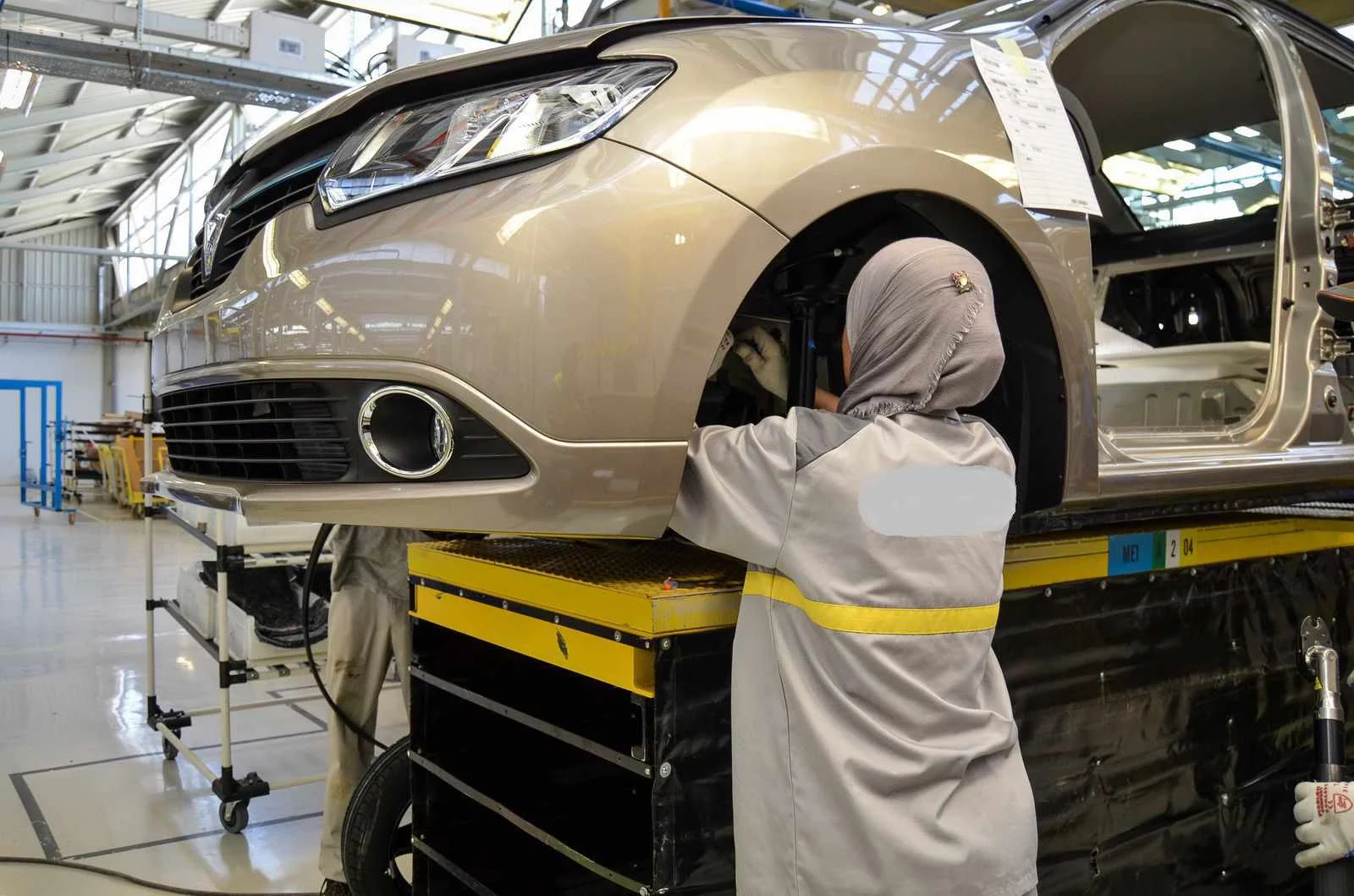
A car built in Morocco could become less competitive in Europe, even if it carries a European brand, under plans by France and Germany to give preference to vehicles made within Europe. The agreement could affect carmakers such as Renault and Stellantis, which operate factories in Morocco and export vehicles to European markets. It could also influence where manufacturers invest in electric cars, batteries and car parts in the coming years.
France and Germany announced the agreement in a joint statement issued by the French presidency on 16 October 2026. It aims to strengthen Europe’s car industry, expand electric vehicle production and encourage companies to invest in manufacturing and innovation within the continent.
The two countries said the measures should help ensure that future cars are made in Europe while continuing to cut carbon emissions through industrial support and more flexible regulations.
The plans form part of wider European efforts to protect local industry from foreign competition, particularly from China, and persuade carmakers to keep factories and investment within Europe.
The main risk for Morocco is that vehicles made outside the designated European area could be excluded from some public subsidies and incentives for cleaner cars, even when they belong to European brands.
Cars made within the European Union and some partner countries could receive preferential treatment in public procurement and incentive schemes. This could put vehicles manufactured in Morocco at a disadvantage against competing models made inside the bloc.
Reuters reported on 16 October that the French-German agreement included proposals to define which countries and products would qualify for European preference. The United Kingdom could be included under conditions linked to reciprocal treatment and closer trade ties.
However, the agreement does not introduce new customs duties on Moroccan cars. The proposals must still go through the EU legislative process before they can become law.
Morocco has benefited from a trade agreement with the EU since its Association Agreement entered into force in 2000. The deal helped liberalise industrial trade between the two sides, with products meeting the rules of origin eligible for customs-duty exemptions.
The free-trade area was completed in 2012, according to Morocco’s Ministry of Industry and Trade, allowing industrial goods to move between the two sides without customs duties, subject to the applicable rules.
This means the immediate concern is not a confirmed increase in import taxes. It is the possibility that cars made in Morocco could lose access to financial incentives available to vehicles manufactured in Europe.
Customs exemptions and public subsidies are two different things. A car may qualify for duty-free access under a trade agreement but still fail to meet the conditions for a European subsidy or public procurement scheme.
Dacia Sandero among the models potentially affected
The changes could affect vehicles such as the Dacia Sandero, which is manufactured in Morocco and exported to European markets.
If European-made cars receive financial support that is unavailable to Moroccan-built models, the Sandero could become less competitive, despite belonging to a European brand.
The impact would vary by model. Petrol and diesel cars could face different conditions from electric and hybrid vehicles, depending on the type of incentive, eligibility requirements, final selling price and production costs.
The nationality of a car brand would not necessarily determine whether a vehicle qualifies for support. Its place of manufacture could matter more.
For example, a Toyota Yaris Cross made in France could be treated differently from a Toyota model imported from a factory outside the geographical area covered by the incentives.
Spain, France and Germany could benefit from measures that direct support towards production within the EU. Some vehicles made in Europe, including models sold under the Seat brand, could gain an advantage over competing cars manufactured outside the bloc.
But preferential treatment would not guarantee higher sales for any particular brand. Prices, quality, competitiveness and manufacturers’ commercial strategies would continue to shape demand. Japanese, South Korean and other international carmakers could also be affected, depending on where their vehicles are produced.
New rules could affect batteries and car parts
The proposed changes extend beyond finished vehicles to batteries and car components, as European policymakers seek to increase the share of locally produced materials and parts used in manufacturing.
On 4 March 2026, the European Commission presented its proposed Industrial Accelerator Act. The plan aims to increase demand for products made within the EU by introducing European-origin requirements in some public procurement contracts and support programmes.
The proposal covers strategic sectors including cars, steel, aluminium and low-emission technologies. Its wider objective is to strengthen European production and reduce dependence on suppliers outside the bloc.
The European Automobile Manufacturers’ Association (ACEA) raised concerns about aspects of the French-German agreement on 16 October. It questioned the narrow geographical scope of the proposed measures and a suggested threshold of 80% for vehicle fleets.
The association said some of the proposed requirements were highly ambitious and did not sufficiently account for the complexity of industrial supply chains.
For Morocco, the concern is that future access to European incentives could depend on how much of a vehicle’s components are produced within Europe.
The country has attracted investment in car manufacturing, electric vehicles, batteries and related components. Tighter local-content rules could make some of these projects less attractive if manufacturers need to source more parts from within the EU to qualify for support.
Companies could then reconsider how they divide future investment between European factories and production sites outside the bloc, including those in Morocco.
That does not mean existing factories will necessarily move. Companies also consider labour costs, infrastructure, production efficiency, trade agreements and the size of their target markets when deciding where to manufacture.
Could electric cars become cheaper in Morocco?
The final rules could also affect the availability and prices of electric and hybrid cars in the Moroccan market.
One possible outcome is that manufacturers facing weaker demand for some Moroccan-built models in Europe look for alternative markets or increase domestic sales. A larger supply could put downward pressure on prices if companies choose to sell more vehicles locally and commercial conditions allow it.
But this remains a possibility, not an established outcome. Cars made for export are produced and marketed according to manufacturers’ plans. Lower demand in Europe would not automatically lead companies to redirect production to Morocco.
A second possibility is that manufacturers place more future investment in European factories to qualify for subsidies and other industrial incentives. This could reduce Morocco’s chances of attracting new production lines for electric and hybrid vehicles.
If that happens, the Moroccan market could become more dependent on imported models. Prices would not necessarily rise, however, because trade agreements, production and transport costs, taxes and distribution margins would also affect the final price.
The impact on consumers cannot yet be determined. It will depend on the final wording of the European rules and the investment decisions manufacturers make afterwards.
Morocco faces a test of its industrial competitiveness
The agreement comes as major economies increasingly link public support to domestic manufacturing and job creation. Morocco will need to protect its position as a competitive production base while adapting to changes in European industrial policy.
That could mean increasing the share of locally produced components, developing battery manufacturing and higher-value car parts, and expanding into new export markets to reduce reliance on European demand.
The geographical scope of the proposed European preference will also matter. Morocco will need to follow negotiations over whether countries with close trade ties to the EU could benefit from exemptions or special cooperation arrangements.
For now, the clearest risk is the possible loss of competitive advantages for vehicles made in Morocco under European subsidy and procurement schemes. There is no confirmed decision to impose additional general customs duties on Moroccan cars or to move existing production lines out of the country.


