

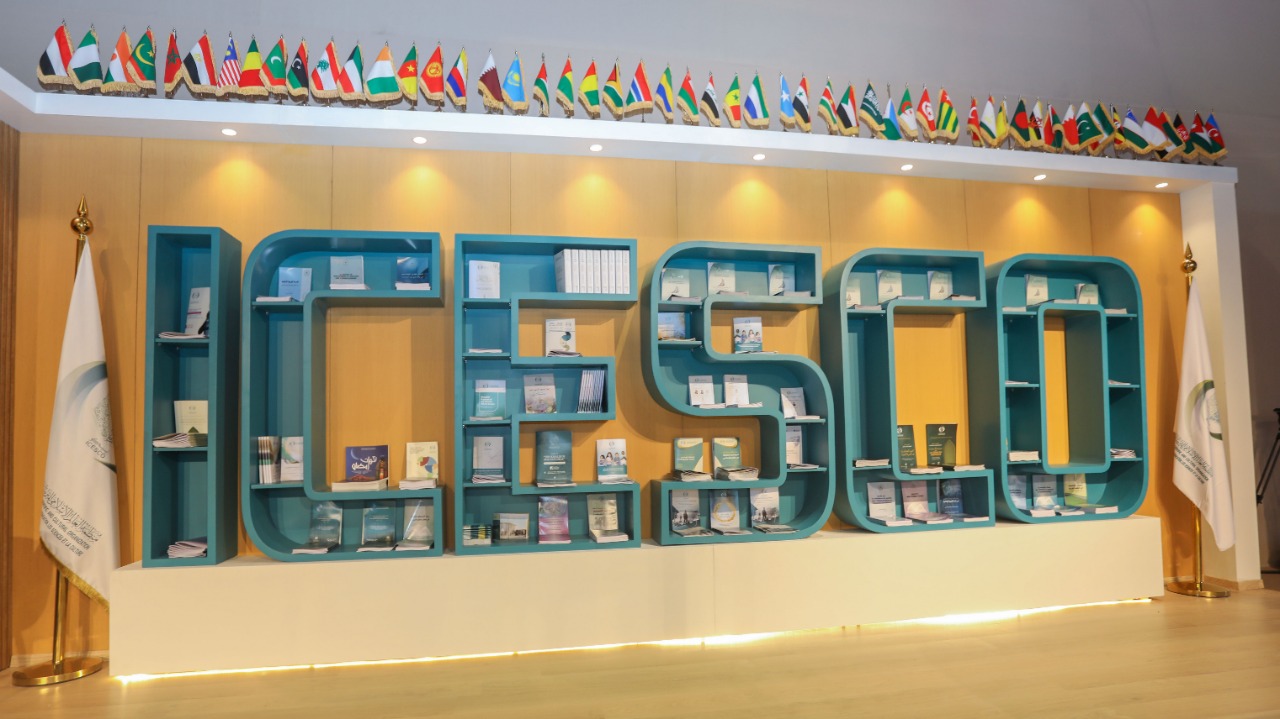
The Islamic World Educational, Scientific, and Cultural Organization (ICESCO) has chosen 47 young people from 42 countries as its newest “Ambassadors for Peace.” The program aims to bring young leaders together to promote dialogue, tolerance, and harmony in their communities, reported Morocco’s Press Agency (MAP).
The new ambassadors were picked from nearly 3,000 applicants through ICESCO’s Leadership Training Program for Peace and Security (LTIPS). With this group, there are now 227 youth ambassadors worldwide.
The LTIPS program trains young people in leadership and peacebuilding using a “Peace at 360°” approach, which looks at all aspects of peace, including social, economic, environmental, and educational issues. Participants attend workshops and seminars led by international experts and civic leaders. They learn practical skills to prevent conflicts and help their communities live together peacefully.
ICESCO also links new ambassadors with previous groups so they can share ideas and learn from each other. This helps them apply local solutions while also connecting with experts and global policy discussions.
The program focuses on “human security,” which means peace isn’t just about stopping wars. It also includes safe communities, fair treatment, job opportunities, and social stability. Ambassadors are trained to step in early to stop local problems from turning into bigger conflicts.
ICESCO is based in Rabat, Morocco, which is seen as a bridge between the Islamic world, Africa, and the West. Morocco hosts interfaith meetings and counter-extremism events, giving participants a strong environment to learn about moderation and cooperation.
ICESCO was founded in 1982 and works separately from UNESCO. It focuses on the 54 countries in the Organization of Islamic Cooperation (OIC). Its goal is to help these countries work together while showing a positive and modern image of the Islamic world. The Ambassador for Peace program is a big part of this mission.
What Ambassadors Do
Ambassadors learn how to mediate conflicts and guide discussions between different groups. They are trained to fight hate speech and misinformation online and to make sure women are included in local decision-making.
Each ambassador is also expected to run a “High Impact Project” that solves a real problem in their community. Examples include creating digital tools to fight online hate or starting programs that support women in conflict areas. They also represent youth in international discussions and share what they have learned by training others back home.
Past ambassadors have launched projects that mix practical solutions with peacebuilding. In Burkina Faso, the School of Resilience helps displaced girls with leadership training and emotional support. In Egypt, the Peace Library Initiative teaches children about climate change and sustainable living to prevent future conflicts. In Turkmenistan, Football for Peace uses sports to promote gender equality and youth involvement. In Tunisia, projects like Cardify and Intell’Eau use technology to monitor health and water use, helping prevent disputes over limited resources.
After finishing the program, ambassadors act as official ICESCO representatives in their countries. They help mediate local conflicts, lead projects, and work with other ambassadors around the world. They are not allowed to use their title for politics, keeping their role neutral and trusted.


