Morocco is taking part in a UN-backed project to make fishing more sustainable and boost the country’s “blue economy,” which links fishing, aquaculture, and the coast to jobs and growth.
The deal was signed by Zakia Driouich, Morocco’s Secretary of State for Maritime Fisheries, and Ilaria Carnevali from the UN Development Programme. The project, called GMC2, covers fishing areas in the Canary Current off West Africa and the Pacific coast of Central America.
It’s funded by the Global Environment Facility and run by the UNDP, with help from the Sustainable Fisheries Partnership, which advises on better fishing methods and seafood supply chains.
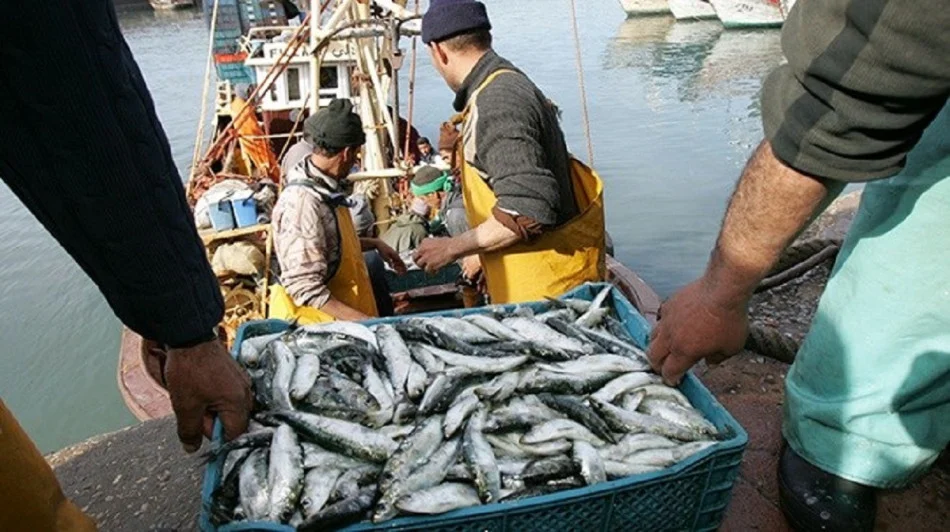
The project will run for five years in six countries: Morocco, Mauritania, Senegal, Ecuador, Guatemala, and Panama. In Morocco, it will focus on small fish like sardines and anchovies, which are important for the local fishing industry.
The programme aims to make fishing more responsible, promote seafood from sustainable sources, and make data on fish stocks easier to access. Fishers will also get digital tools to track where and how their fish are caught, reduce accidental catches of other species, and improve storage so less fish goes to waste.
Another goal is to add value to seafood. Instead of turning lots of fish into cheap fishmeal, more will be processed and canned, creating better jobs and pay.
The Canary Current is one of the world’s richest fishing areas, thanks to cold, nutrient-rich waters. But climate change is changing ocean temperatures and currents, which can affect fish movements. Morocco, with the longest coastline in the area, has a key role in managing these shared fish stocks with Mauritania and Senegal.