

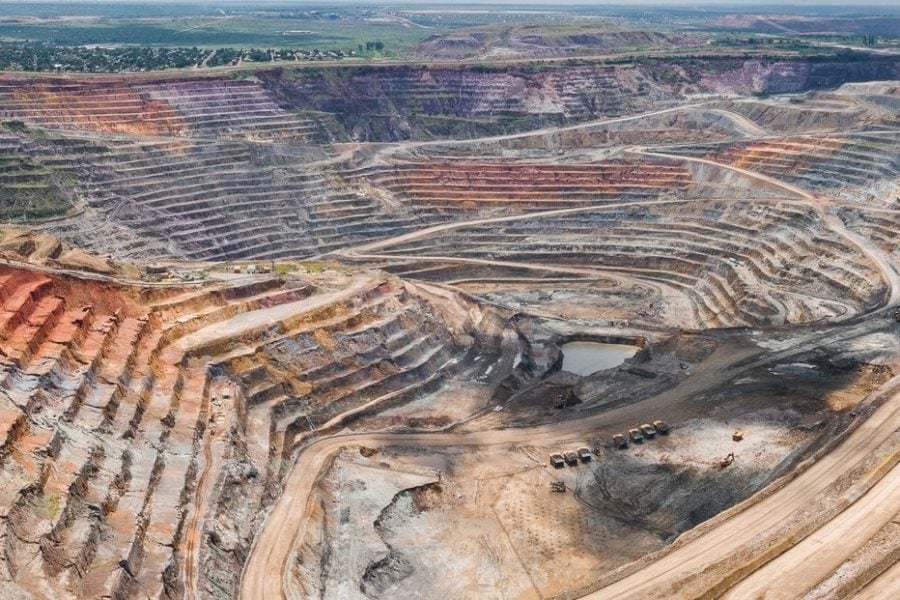
Copper is becoming more important around the world, and Morocco wants to take advantage of the growing demand. The country has opened several copper projects to international investors as it looks to expand its mining industry. Morocco’s National Office of Hydrocarbons and Mines (ONHYM) has launched at least nine copper exploration and industrial projects for foreign investors. The move comes as copper prices have risen to nearly $13,000 per tonne on the London Metal Exchange, up from less than $10,000 a year ago.
Demand for copper is increasing because it is widely used in AI data centres, electric vehicles, renewable energy, and power grids. Electric cars need much more copper than petrol or diesel vehicles, while AI data centres require large amounts of electrical equipment.
Morocco wants to build a full copper industry, from mining the metal to producing copper cathodes, a refined product used in electrical cables, electronics, and vehicles.
To help attract investment, the government recently turned ONHYM into a public joint stock company called ONHYM SA. The new structure gives the company more flexibility to create subsidiaries, invest in other businesses, and work with private and foreign investors. The Polish mining company KGHM is already in talks with ONHYM about investing in some of the projects.
Morocco produced around 110,000 tonnes of copper concentrate in 2025. Production is expected to rise to about 180,000 tonnes in 2026.
The country’s main projects include the Tizert Mine in Taroudant, which received a $440 million investment and has 600 million tonnes of reserves. The mine began commercial production in late 2025 and can produce 107,000 tonnes of copper concentrate each year.
Other projects include Tizi n’Ouchen in Beni Mellal, where exploration has found copper grades of up to 4.2%, Oulad Yaacoub in central Morocco with grades of up to 4.6%, Naour near Ksiba, which holds more than 1.5 million tonnes of resources, and Bouskour in the Eastern Anti-Atlas, which has more than 9 million tonnes of ore reserves.
Morocco also wants to process more of its copper at home instead of exporting raw materials. Officials say this could create more jobs, keep more value inside the country, and help supply manufacturers in Europe and Africa with refined copper products.


