

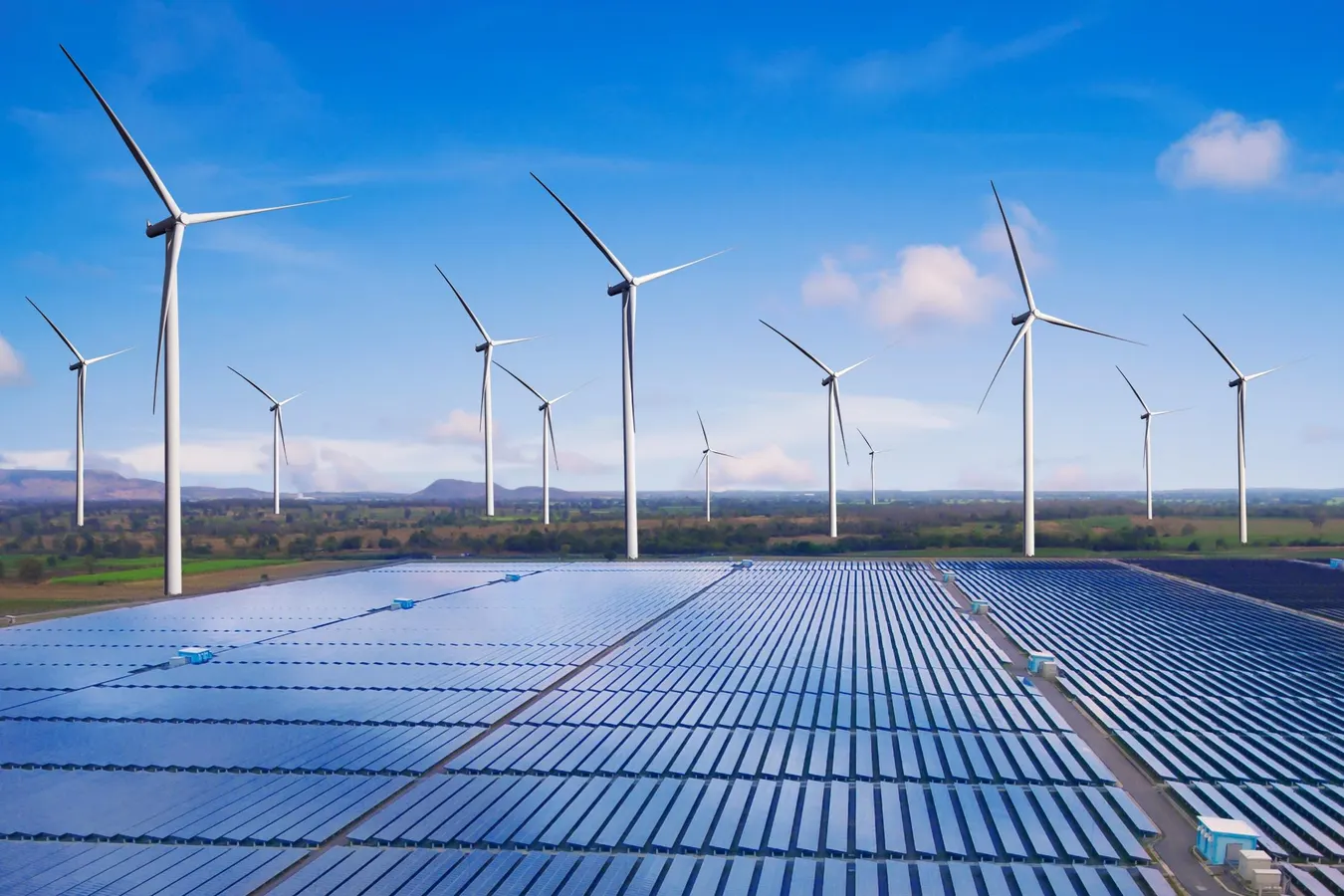
Morocco has reduced its reliance on imported fossil fuels for electricity by about 20 percentage points through investments in solar, wind and hydropower, according to a new report by the International Energy Agency (IEA). The country’s electricity sector was 69% dependent on imported fuels in 2025, compared with an estimated 89% if no new renewable energy capacity had been built since 2010, the report found.
The figures show that renewable energy has helped reduce the need for imported coal and natural gas. But fossil fuels still account for a large share of the electricity supply.
The IEA report, Renewables 2026, also found that renewable energy met 69.5% of the increase in electricity demand between 2015 and 2025.
This means that nearly seven out of every 10 additional units of electricity consumed during the decade came from renewable sources.
The findings are based on a model called “Low-RES”, which estimates what would have happened if no new renewable energy capacity had been added after 2010. Under this scenario, electricity now generated by solar, wind and hydropower would instead have come from coal and gas-fired power stations.
The model assumes that countries already dependent on imported fuels would meet any additional demand for fossil fuels through higher imports.
The IEA said renewable energy sources “produce electricity without a continuous supply of fuel” and “reduce external dependence when they replace imported fuels”.
Solar panels and wind turbines may be imported, but once installed, they can generate electricity for decades with limited need for further supplies from abroad.
Coal and gas power stations, by contrast, require regular fuel purchases, shipping and payments in foreign currencies.
The agency included Morocco alongside the UK, the Netherlands, Greece, Chile, Germany and Japan among countries where renewable energy has reduced exposure to fuel import risks.
Without the renewable capacity added since 2010, these countries would have relied more heavily on fossil fuels and been “more exposed to import risks and supply disruptions”, the IEA said.
Lower demand for imported coal and gas also reduces exposure to international fuel prices, shipping costs, disruptions along key maritime routes and exchange-rate fluctuations.
The IEA said renewable energy infrastructure can keep more economic value within importing countries through the construction, operation and maintenance of power plants, even when some equipment is bought from abroad.
The report estimated that more than 4,500 gigawatts of renewable energy capacity were added worldwide between 2010 and 2025. Solar photovoltaic power accounted for more than 60% of the increase, followed by onshore wind at 25% and hydropower at about 10%.
Without this expansion, global demand for fossil fuels would have been 8% higher in 2025, while natural gas demand alone would have risen by 11%, the IEA estimated.
Despite the progress, imported fossil fuels remain a major part of the electricity supply in Morocco. The country’s 69% dependence in 2025 shows that renewable energy has helped meet growing demand but has not yet replaced a large share of existing fossil fuel generation.


