

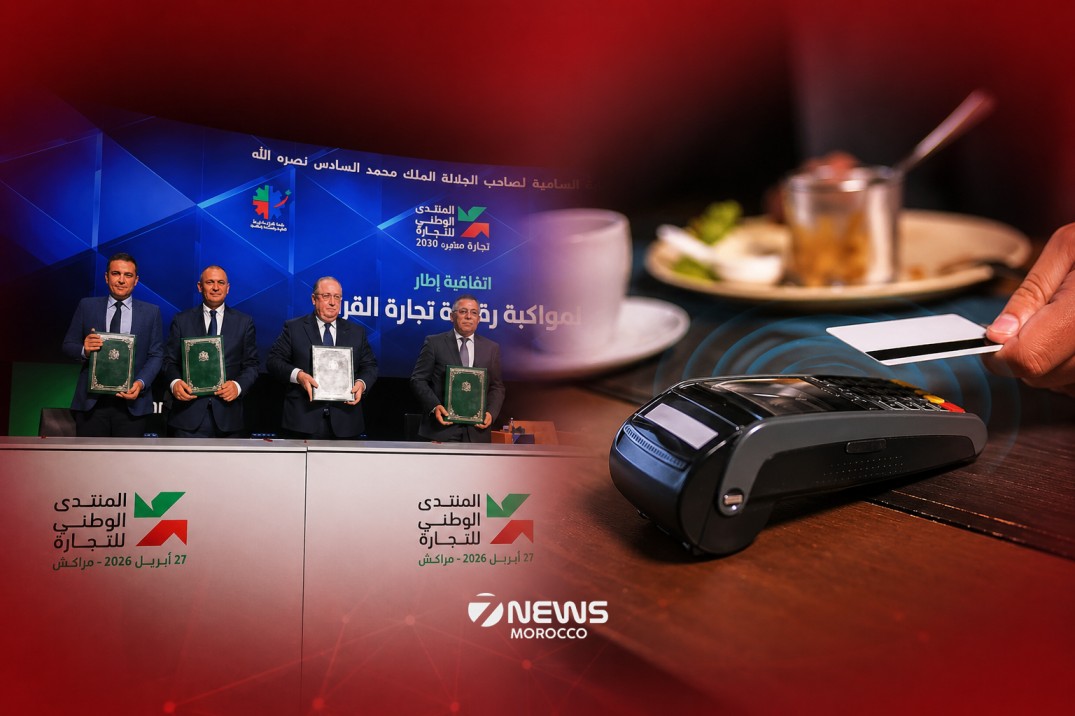
A corner shop in Morocco may soon look a little different. Instead of only cash, many will start accepting card payments and offering basic digital services to modernise retail.
Morocco has launched a plan to equip 100,000 neighbourhood merchants with electronic payment systems and digital financial tools. The announcement came during the National Trade Forum in Marrakech, led by the Ministry of Industry and Commerce alongside Al Barid Bank, Barid Cash and Chari.
The goal is simple. Move small shops away from cash only transactions and help them accept card payments such as Visa and Mastercard, while also giving customers more convenient ways to pay.
Shops becoming more than just shops
Under the plan, local grocery stores will not only sell everyday goods. They will also offer services like paying utility bills and topping up mobile credit for Morocco’s three main telecom operators.
Al Barid Bank said the project is part of efforts to widen financial access. Chari said it is about updating the role of the neighbourhood shop so it better fits modern daily life.
The project sits under Morocco’s Trade Morocco 2030 strategy, which sees retail as a key part of the economy. The sector contributes around 169 billion dirhams to GDP, or about 10.6 percent, and supports more than 1.6 million jobs.
Digital tools and startups
A major part of the rollout is the MRTB platform, developed with Mohammed VI Polytechnic University and the OCP Foundation. Between 2025 and 2027, it is expected to support 300 startups and bring another 100,000 merchants into the digital system.
The idea is to link local tech companies with small shopkeepers so that new tools are built and used within the country at the same time.
Health cover and formalisation
The government is also pushing to make the sector more formal. So far, more than 483,000 merchants have been enrolled in the Mandatory Health Insurance scheme, known as the AMO system.
This gives many shopkeepers access to health coverage that was previously out of reach for those working in informal retail.
New agreements were also signed with ANAPEC and One Retail to improve training and create more structured jobs in the retail sector. The focus is on preparing workers for a more digital and organised marketplace.
The move comes as Morocco tries to reduce its reliance on cash and respond to growing demand for digital services, especially among younger consumers.
It also fits into preparations for major international events, including the 2030 football tournament, where smooth electronic payments are expected to be important for visitors and local businesses.
Companies like Chari are expected to help deliver the system on the ground, especially in areas where traditional banking has been harder to access.


