

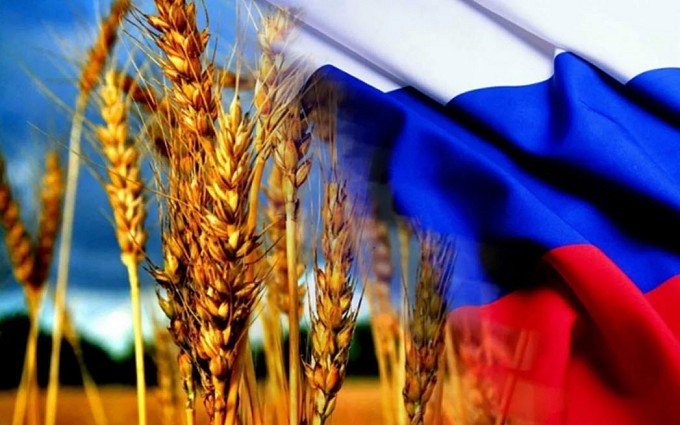
Morocco is buying more grain from Russia, showing a big change in how the country gets its food. This comes as global supply chains face disruptions and any problem with grain shipments can quickly affect markets, especially with conflicts still going on in the Middle East.
Data from Russian labs in Bashkiria show that since the start of 2026, over 4,000 tests have been done on grain and grain products heading to Morocco. These shipments added up to more than 57,000 tonnes, 14,000 tonnes more than last year.
The numbers show Russia is exporting more grain, and Morocco is increasingly turning to sources outside Europe. This is part of a wider shift in global grain trade since the war in Ukraine began.
Between 3 and 12 March alone, 119 wheat samples from shipments over 4,700 tonnes were tested. The results showed the wheat was free from pests and met safety standards set by the Eurasian Economic Union.
For Morocco, which relies heavily on imported grain, this is important. Recent droughts have hit local harvests, making it crucial to get grain from different sources. Most of Morocco’s soft wheat comes from imports, putting the country in a sensitive spot when it comes to food security.
Rising energy costs, problems with Black Sea exports, and growing global demand for grains make the situation even trickier. Buying from Russia is part of Morocco’s plan to keep supplies steady and avoid sudden shortages.
Russia is also pushing to expand its role as a top grain exporter. Western sanctions have pushed it to find new buyers in Africa and Asia, including Morocco, China, Kazakhstan, and the UAE.
But relying more on Russia also brings challenges. Morocco has to make sure it doesn’t depend on a single supplier too much, because any geopolitical tension or export restriction could cause problems quickly.
This shift also shows why Morocco needs to speed up food security plans, like improving domestic production, building grain reserves, and upgrading storage and distribution. These steps could make the country less vulnerable to outside shocks.


