

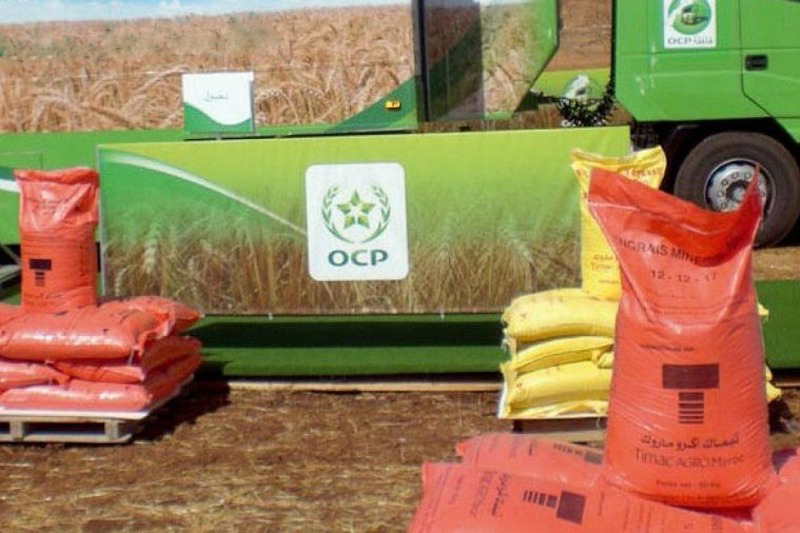
Morocco’s fertiliser giant OCP Group is becoming a key supplier for global agriculture as tensions between Iran and Israel disrupt shipping through the Strait of Hormuz.
The rising conflict and the closure of the route have blocked exports from Gulf producers of nitrogen fertilisers. The region normally accounts for about 49% of the world’s urea exports, so the disruption has pushed global prices higher.
While Gulf shipments face delays, Morocco’s OCP has kept exports moving through its Atlantic ports, especially Jorf Lasfar Port. From there, fertilisers are shipped to Europe, the Americas and across Africa without passing through the Middle East.
This has made Morocco a more reliable supplier at a time when many countries are worried about fertiliser shortages ahead of the 2026 planting season.
The biggest impact so far has been on nitrogen fertilisers, which rely heavily on natural gas from the Gulf. As supplies tighten, farmers in many countries are turning to phosphate-based fertilisers instead.
That shift is helping OCP. The company controls nearly 70% of the world’s known phosphate rock reserves. It also increased exports of Triple Super Phosphate (TSP) by 48% in 2024. The product does not require imported ammonia, which means it is less exposed to energy disruptions in the Middle East.
The strong demand is also boosting the company’s finances. OCP reported revenues of 114bn Moroccan dirhams (about $11.4bn) in 2025, up 17% from the year before. Its operating margin reached about 36%.
Some Gulf fertiliser producers, including SABIC Agri-Nutrients, also benefited from higher prices last year. But export disruptions in early 2026 have slowed shipments from the region.
OCP is now investing heavily to reduce its dependence on imported energy. The company has launched a $13bn plan to produce green ammonia, with a target of one million tonnes a year by 2027.


