

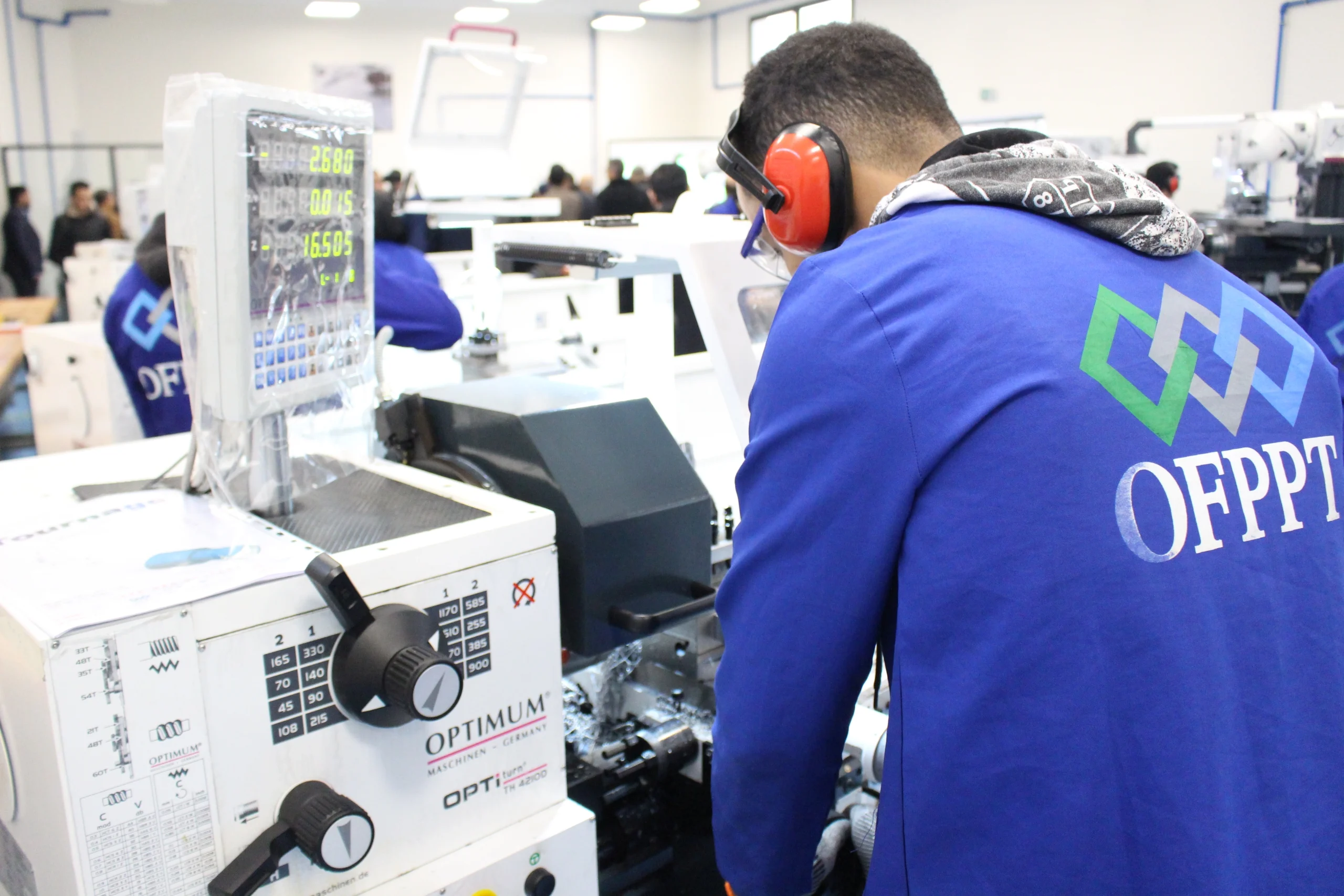
OFPPT will be able to carry out medical checks on employees who take short sick leaves, but it must follow strict rules to protect workers. The Kingdom’s Mediator has issued an advisory opinion on the issue after a request from the Office of Vocational Training and Labor Promotion (OFPPT).
The opinion says medical counter-examinations are allowed when there is a clear legal basis and a valid reason linked to keeping public services running.
The checks must also be fair and proportionate.
Doctors carrying out the examinations must work independently from OFPPT management. Medical checks and administrative decisions must remain separate.
Medical information must also stay confidential. Health data and employees’ privacy must be protected.
Workers must be informed about the process and given an explanation of the results. They must also have the right to appeal before any decision affects their salary or administrative status.
Medical check results cannot automatically lead to penalties or other measures. OFPPT must first follow all required procedures and use the information only within the limits of the law.
The Mediator issued 11 recommendations covering four areas: legal rules, procedures, workers’ rights, and follow-up.
OFPPT is also encouraged to look beyond individual sick leaves. The Mediator recommends studying the causes of absenteeism, improving working conditions and building better relations between staff and management.
The opinion comes as OFPPT runs a large public training network across the country.
The organisation has 511 training institutes and 424,000 training places for the 2026 academic year. It has a 2026 budget of 6.3bn dirhams and offers 880 training programmes.
The programmes include new or updated courses in artificial intelligence, cyber security, gaming and the green economy.
Article 271 of the Labour Code already allows employers to request medical counter-examinations during sick leave at their own expense.
The new opinion sets out how such checks should be used at OFPPT while protecting employees’ basic rights.


