

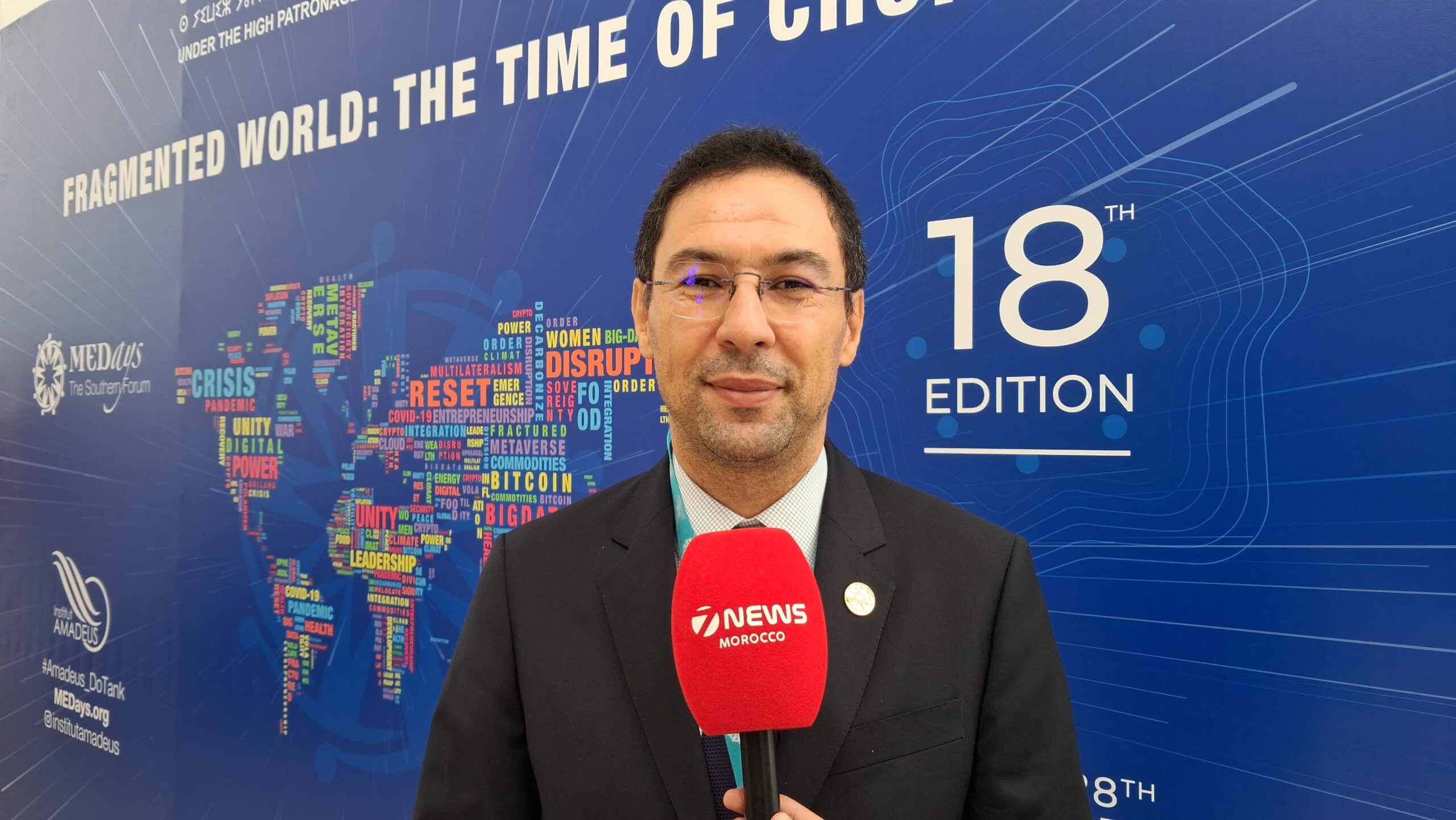
Healthcare has become as strategic for Africa as food, energy and defence, the head of Morocco’s UM6P Hospitals has said, as the continent tries to cut its reliance on imported medicines. Speaking at the MEDays forum in Tangier, Khalid Baddou said health was now “an important component of the sovereignty of a country”. “Today in Africa, we produce less than 1% of our needs in terms of medicines,” he said.
The pandemic exposed the problem, he added, but it would not go away on its own. Most estimates suggest the continent imports more than 70% of its medicines and makes only about 1% of the vaccines it uses.
Mr Baddou pointed to a paradox. Africa is short of health workers, yet he said about one million trained professionals cannot find jobs in the sector.
The figure is close to the World Health Organization’s latest estimate. It found that 943,000 trained health workers in Africa were unemployed in 2024, even though the region has fewer than half the health workers it needs.
He said cutting reliance on imports would take investment in infrastructure, but also closer co-operation between African countries.
Mr Baddou argued that the problem goes beyond factories. Most vaccines used on the continent, he said, “are not developed for the African genome”.
He called for more clinical research to produce “science that is relevant to the African population”, leading to treatments that work better for African patients.
Africa has the greatest genetic diversity of any continent, but people of African descent account for less than 2% of the genomes studied worldwide.
Mr Baddou took charge of UM6P Hospitals, part of Mohammed VI Polytechnic University, in September.
The university hospital in Benguerir is run as a private non-profit, which is rare in Morocco, and is due to have 400 beds once fully operational.
He said it was designed to “complement” existing public and private hospitals, rather than compete with them.
The hospital will serve the Rehamna area and the wider Marrakech-Safi region, where specialist care has long been scarce. It combines treatment with medical training, research and innovation.
Mr Baddou said public and private providers needed to work together to reach patients not just in big cities, but in rural and semi-urban areas.
African leaders have pledged to produce 60% of the continent’s vaccines, medicines and diagnostics locally by 2040.
The African Union has also set up the African Medicines Agency, based in Kigali, to harmonise approval rules between countries, so that drugmakers can sell across one larger market.
Morocco has positioned itself as a regional health hub. It already has one of Africa’s most developed generic medicines industries, exporting to many countries on the continent.
In January 2022, King Mohammed VI launched work on a vaccine plant in Benslimane, near Casablanca, and the country has created its own medicines agency.
At home, Morocco has extended compulsory health insurance to its whole population since 2021, adding to demand for hospital care.
Mr Baddou was speaking on the sidelines of a MEDays panel titled “Strategic Health: Produce or Depend?”. The forum, now in its 18th edition, runs until 28 November.


